

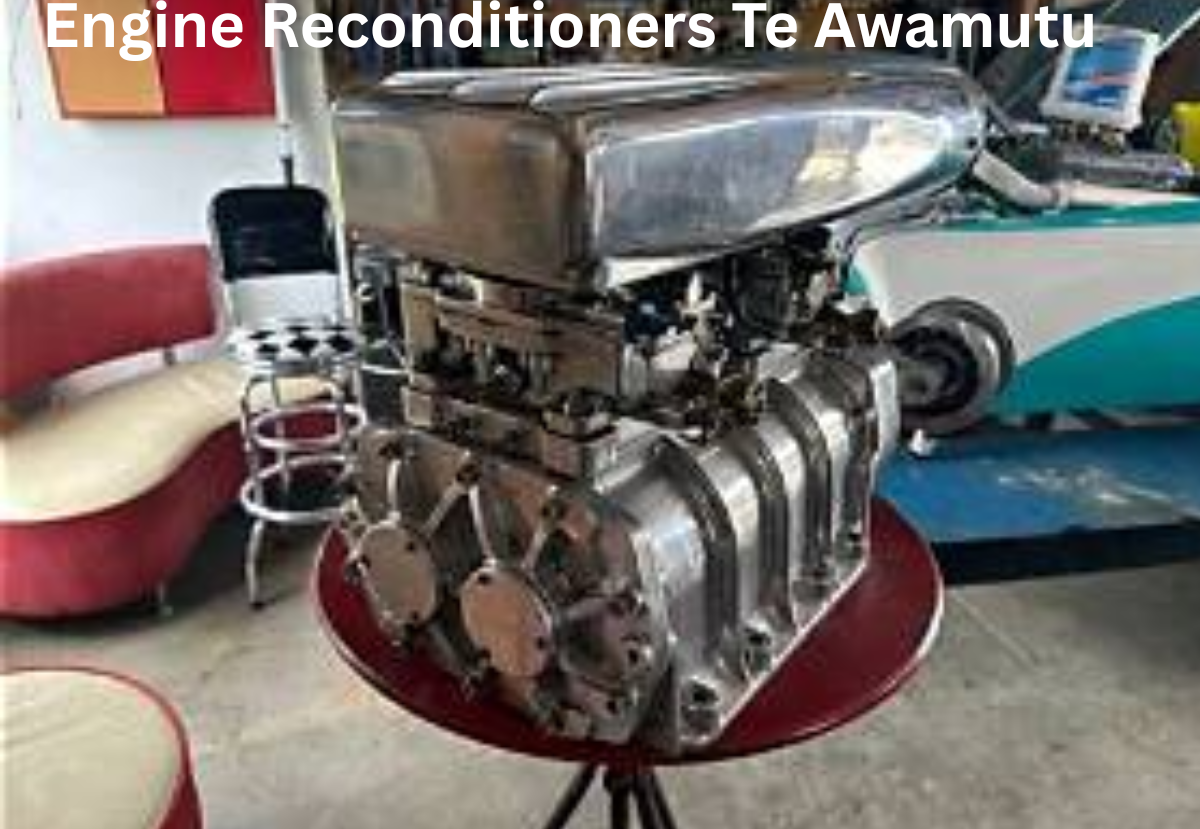
When an engine starts losing power, using excessive oil, overheating, or making unusual noises, a complete replacement is not always the only solution. Engine reconditioners Te Awamutu can inspect worn or damaged engine components, identify the cause of failure, and restore the engine where rebuilding is technically and economically suitable. For motorists, farmers, commercial operators, and heavy-vehicle owners around Te Awamutu and the wider Waipa area, choosing an experienced engine specialist can help extend engine life and avoid unnecessary repairs.
Engine reconditioning is more involved than a standard service. It can include dismantling the engine, inspecting components, measuring wear, machining parts where required, replacing damaged components, and carefully rebuilding the engine to appropriate specifications.
Table of Contents
What Does Engine Reconditioning Mean?

Engine reconditioning is the process of restoring an engine that has suffered wear, damage, or reduced performance.
Rather than automatically replacing the entire engine, a specialist examines individual components to determine which parts can be reused and which need repair or replacement.
Depending on the engine’s condition, reconditioning may involve:
- Removing and dismantling the engine
- Cleaning internal components
- Inspecting the cylinder block
- Measuring cylinders and crankshaft journals
- Checking pistons and connecting rods
- Replacing worn bearings
- Replacing piston rings
- Machining or honing cylinders when necessary
- Checking or machining the cylinder head
- Replacing valves, seals, and guides where required
- Checking the crankshaft
- Replacing gaskets and seals
- Reassembling the engine
- Testing the completed engine
The exact work depends on the engine’s design, condition, service history, and the reason it failed.
When Should You Consider Engine Reconditioning?
Not every engine problem requires a rebuild. A qualified technician should diagnose the problem before deciding whether reconditioning is appropriate.
Common warning signs include:
Excessive Oil Consumption
If an engine is regularly using more oil than expected, worn piston rings, cylinder wear, valve-related problems, leaks, or other faults may be involved.
Oil consumption alone does not prove that an engine needs rebuilding, but persistent consumption should be investigated.
Blue or Excessive Exhaust Smoke
Smoke from the exhaust can indicate that the engine is burning oil. The underlying cause can vary, so proper diagnosis is important before major repairs are authorised.
Loss of Engine Power
A noticeable reduction in power can result from fuel, air, exhaust, turbocharger, electronic, compression, or internal engine problems.
A diagnostic assessment can help determine whether the issue is relatively simple or related to internal engine wear.
Knocking or Unusual Engine Noises
Knocking, tapping, rattling, or other abnormal sounds should not be ignored. Internal components such as bearings, pistons, valve-train parts, or other components may be involved.
Continuing to operate an engine with serious internal damage can make the eventual repair more extensive.
Low Compression
Low compression in one or more cylinders can affect starting, power, fuel consumption, and overall engine performance. Compression testing and other diagnostic procedures can help identify potential internal problems.
Repeated Overheating
An overheating engine does not automatically need a rebuild. Cooling-system faults such as radiator, thermostat, water-pump, fan, or coolant issues can cause overheating.
However, severe or repeated overheating can damage components such as the cylinder head or head gasket and may eventually require engine rebuilding.
What Services Can Engine Reconditioners Provide?
Engine reconditioning services vary between workshops, but a specialist may provide several stages of engine repair.
Engine Inspection and Diagnosis
The first step should be determining what has actually gone wrong.
Depending on the vehicle, diagnosis may include:
- Visual inspection
- Compression testing
- Leak-down testing
- Oil-pressure testing
- Cooling-system checks
- Computer diagnostics
- Examination of engine noises
- Inspection of oil and coolant
- Internal inspection when necessary
Accurate diagnosis is important because replacing or rebuilding an engine without identifying the original cause of failure can lead to repeat problems.
Cylinder Head Reconditioning
The cylinder head is a critical part of the combustion system.
Depending on its condition, reconditioning may involve checking for cracks, inspecting valves and valve seats, replacing seals, checking guides, and carrying out appropriate machining.
A cylinder head may also require attention after overheating or head-gasket failure.
Cylinder Block Machining
If cylinder bores are worn, damaged, or outside acceptable specifications, machining may be required.
Possible machining work can include cylinder honing or boring, depending on the engine and the extent of wear.
The objective is to restore the relevant surfaces to appropriate dimensions rather than simply replacing parts without measurement.
Crankshaft Inspection and Machining
The crankshaft is exposed to substantial loads during engine operation. A damaged or worn crankshaft can contribute to bearing problems, abnormal noises, and poor engine reliability.
An engine specialist may inspect crankshaft journals and determine whether machining, polishing, or replacement is appropriate.
Piston and Ring Replacement
Pistons and piston rings can wear over time. Excessive cylinder and ring wear can contribute to poor compression and increased oil consumption.
During a rebuild, pistons and rings are assessed against the engine manufacturer’s specifications and replaced when necessary.
Bearings, Gaskets, and Seals
Worn bearings and deteriorated seals can contribute to oil-pressure problems and leaks.
A properly planned rebuild generally involves replacing components that have reached the end of their serviceable life rather than simply reusing visibly worn parts.
Engine Rebuilding vs Engine Reconditioning
The terms “engine rebuild” and “engine reconditioning” are sometimes used interchangeably, although the exact scope of work can differ between workshops.
| Engine Reconditioning | Engine Rebuilding |
|---|---|
| Focuses on restoring worn components | Usually involves substantial engine disassembly |
| Parts are inspected and measured | Internal components are comprehensively assessed |
| Some components may be machined | Damaged components are repaired or replaced |
| Scope depends on engine condition | Scope depends on the extent of the rebuild |
| Can restore serviceable engine components | Can involve extensive restoration of the complete engine |
The most important point is not the terminology. Ask the workshop exactly what work is included in the quotation and what components will be inspected, machined, replaced, or reused.
Why Professional Engine Reconditioning Matters
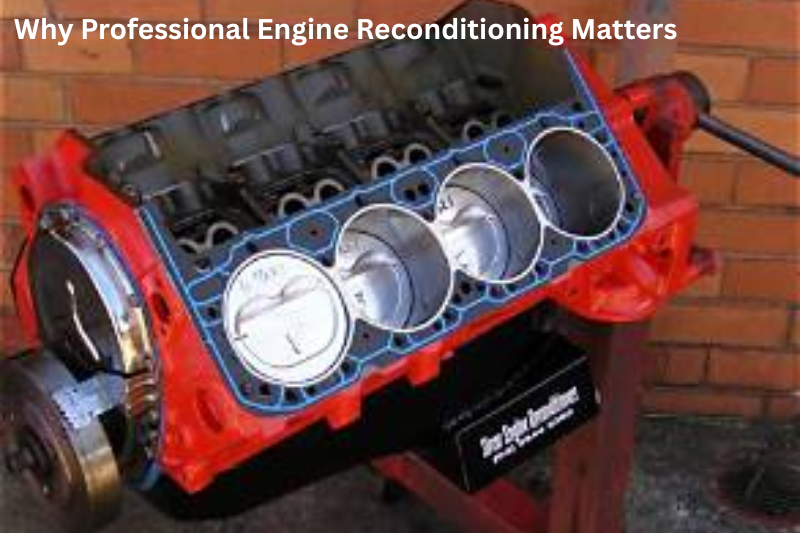
An engine contains many precisely manufactured components that work together under high temperatures, pressures, and loads.
Poor-quality rebuilding can result in:
- Oil leaks
- Low oil pressure
- Poor compression
- Excessive oil consumption
- Premature component wear
- Overheating
- Reduced performance
- Repeat engine failure
For that reason, engine reconditioning should be based on proper measurements, suitable machining, quality components, and careful assembly.
For heavy-duty diesel engines, the requirements can be even more demanding. Local Te Awamutu diesel specialists advertise services such as engine overhauls, complete diesel-engine rebuilding and reconditioning, fleet servicing, and computer diagnostics for heavy vehicles and machinery. (Harty Mechanical Services)
Engine Reconditioning for Diesel and Heavy Vehicles
Te Awamutu serves a rural and agricultural area, so engine specialists may encounter more than conventional passenger vehicles.
Depending on the workshop, services can be relevant to:
- Diesel cars and vans
- Utes
- Trucks
- Trailers and commercial vehicles
- Agricultural machinery
- Construction machinery
- Loaders and excavators
- Other diesel-powered equipment
Heavy machinery can place substantial demands on engines because of high loads and long operating periods. A specialist familiar with diesel systems and heavy equipment can therefore be particularly useful when an engine develops a serious mechanical fault.
Local listings also show engine-repair services operating across the wider Waikato and servicing the Te Awamutu area, meaning vehicle owners may have options beyond a workshop located directly in the town. (Yellow)
How to Choose Engine Reconditioners Te Awamutu
Choosing the cheapest quote is not necessarily the best way to select an engine specialist. Engine rebuilding involves expensive components and precision work, so the quality of the process matters.
Before approving a rebuild, ask the workshop:
1. What Caused the Engine Failure?
A good workshop should investigate the underlying problem rather than simply replacing damaged parts.
For example, if an engine failed because of overheating, it is important to determine why it overheated in the first place.
2. What Work Is Included?
Ask for a clear explanation of:
- Dismantling
- Cleaning
- Measurements
- Machining
- Replacement components
- Gaskets and seals
- Reassembly
- Testing
- Labour
3. Which Parts Will Be Replaced?
Find out whether important components will be new, reconditioned, or reused after inspection.
4. Is the Work Covered by a Warranty?
Ask about the workshop’s warranty terms before authorising major repairs. Understand what is covered, for how long, and whether particular conditions apply.
5. Can They Work on Your Engine Type?
Engine technology varies considerably. A workshop experienced with petrol passenger-car engines may not have the same expertise or equipment for a modern diesel truck, agricultural machine, or specialist engine.
6. Will You Receive a Written Quote?
A written estimate makes it easier to understand the expected cost and compare the scope of work between different workshops.
Remember that the final cost can change if additional damage is discovered after an engine is dismantled. Ask how unexpected work will be handled before the rebuild begins.
How Much Does Engine Reconditioning Cost?
There is no reliable single price for an engine rebuild because the cost depends heavily on the engine and the damage.
Factors can include:
- Engine size and type
- Petrol or diesel configuration
- Extent of internal damage
- Parts availability
- Cylinder-head condition
- Crankshaft condition
- Piston and cylinder wear
- Required machining
- Labour
- Ancillary component repairs
- Whether the engine must be removed and refitted
A relatively minor repair may cost considerably less than a complete engine rebuild. Conversely, an engine with extensive damage may require significant machining and replacement parts.
The best approach is to obtain a detailed assessment and written quotation rather than relying on a generic online price.
Can Engine Reconditioning Be Better Than Replacing an Engine?
Sometimes it can, but the answer depends on the individual vehicle.
Reconditioning may make sense when:
- The engine block is suitable for reuse
- The vehicle is otherwise in good condition
- Replacement engines are difficult or expensive to source
- The owner wants to retain the original engine
- The damage can be repaired economically
Engine replacement may be more appropriate when:
- The existing engine has extensive damage
- A suitable replacement engine is readily available
- Rebuilding costs are disproportionate to the vehicle’s value
- The block or other major components are beyond economical repair
A specialist can compare the available options after inspecting the engine.
You may also like to read these posts:
Truck Engine Rebuild Te Awamutu: Complete Guide for Truck Owners
Engine Reconditioners Te Awamutu
Truck Brake Repairs Te Awamutu
Truck brake service te awamutu
Questions to Ask Before Authorising an Engine Rebuild
Before handing over your vehicle or machinery, consider asking:
- What caused the engine failure?
- Does the engine definitely need a rebuild?
- Which components are damaged?
- What machining is required?
- Which parts will be replaced?
- Are replacement parts new or reconditioned?
- What is included in the quoted price?
- Could additional costs arise after dismantling?
- How long is the estimated turnaround?
- What warranty is provided on the completed work?
- Will the engine be tested before it is returned?
- Are there maintenance requirements after the rebuild?
Clear answers can help you avoid misunderstandings and make a more informed repair decision.
How to Protect a Reconditioned Engine
A rebuilt engine still needs proper maintenance. Following the manufacturer’s service requirements is one of the best ways to protect the investment.
Important practices include:
- Use the correct engine oil and specification.
- Replace oil and filters at the recommended intervals.
- Keep coolant at the correct level.
- Investigate overheating immediately.
- Check for oil or coolant leaks.
- Avoid ignoring unusual engine noises.
- Use the correct fuel and maintenance procedures.
- Follow any specific engine break-in instructions provided by the workshop.
- Keep service records for future maintenance.
If a newly rebuilt engine develops unusual smoke, noise, overheating, fluid loss, or a major performance change, contact the workshop promptly rather than continuing to operate it.
Why Diagnostics Should Come Before Major Repairs
Modern vehicles can have electronic systems that affect engine operation, while mechanical problems can produce symptoms similar to electrical or fuel-system faults.
That makes diagnosis an important part of the repair process.
Computerised diagnostic equipment can help identify faults in electronically controlled systems, while mechanical tests are still important for evaluating internal engine condition.
For example, an engine that feels weak could have a fuel-system problem rather than a worn-out engine. Replacing or rebuilding the engine without checking the actual cause could result in unnecessary expense.
Local Engine Repair Options Around Te Aw Awamutu
When searching for engine specialists, remember that “local” does not necessarily mean the business must have an address inside Te Awamutu.
Some Waikato engine-repair businesses advertise services covering Te Awamutu and surrounding areas. For example, regional directories list engine reconditioners in Hamilton and Otorohanga, while some mobile engine-repair businesses specifically list Te Awamutu among their service areas. (Yellow)
For a major rebuild, the most important factors are relevant experience, appropriate machinery, diagnostic capability, transparent pricing, parts availability, and the quality of the completed work.
Frequently Asked Questions
What do engine reconditioners do?
Engine reconditioners inspect and restore worn or damaged engine components. Depending on the engine, their work may include dismantling, cleaning, measuring, machining, component replacement, and rebuilding.
Is engine reconditioning the same as an engine rebuild?
The terms can overlap, but the exact scope varies between workshops. Always ask what components will be inspected, machined, replaced, and tested.
How do I know if my engine needs rebuilding?
Symptoms such as severe oil consumption, low compression, persistent overheating, internal knocking, major smoke, or significant loss of performance can indicate serious engine problems. A professional diagnosis is needed before deciding on a rebuild.
Can diesel engines be reconditioned?
Yes. Diesel engines can be rebuilt or reconditioned when their components are suitable for restoration. The process depends on the engine design and the type and severity of damage.
Is reconditioning better than buying a replacement engine?
Not always. The best option depends on the condition and value of the existing engine, the availability of a suitable replacement, parts costs, machining requirements, and labour.
How long does engine reconditioning take?
Turnaround time varies according to engine type, damage, parts availability, machining requirements, and workshop workload. Ask for an estimated timeframe when requesting a quotation.
Should I get more than one quote?
For a major engine rebuild, comparing detailed quotations can be useful. However, compare the scope and quality of work, not just the final price.
Final Conclusion
Choosing experienced engine reconditioners Te Awamutu can make a significant difference when an engine has serious wear or internal damage. The right specialist should diagnose the underlying problem, inspect components carefully, use appropriate machining and replacement parts, and explain the rebuilding process clearly.
Whether you need help with a passenger vehicle, diesel engine, truck, agricultural machine, or other equipment, do not assume that replacement is the only option. Obtain a proper diagnosis, ask for a detailed quotation, understand what the rebuild includes, and choose engine reconditioners Te Awamutu based on experience, workmanship, transparency, and suitability for your particular engine.

9 Comments
Pingback: Truck Engine Rebuild Te Awamutu | Expert Guide
Pingback: air brake repairs te awamutu | Heavy Truck Service
Pingback: Truck Electrical Repairs Te Awamutu | Expert Service
Pingback: Truck and 2 Men Te Awamutu – Reliable Truck Servicing and Roadside Support
Pingback: Truck Accident Te Awamutu – Safety, Prevention and Professional Support
Pingback: Truck Steering Repairs Te Awamutu | Expert Service
Pingback: Commercial Truck Mechanic Te Awamutu | Truck Repairs
Pingback: Truck Fleet Maintenance Te Awamutu | Reliable Care
Pingback: Fleet Maintenance Te Awamutu | Reliable Fleet Care