

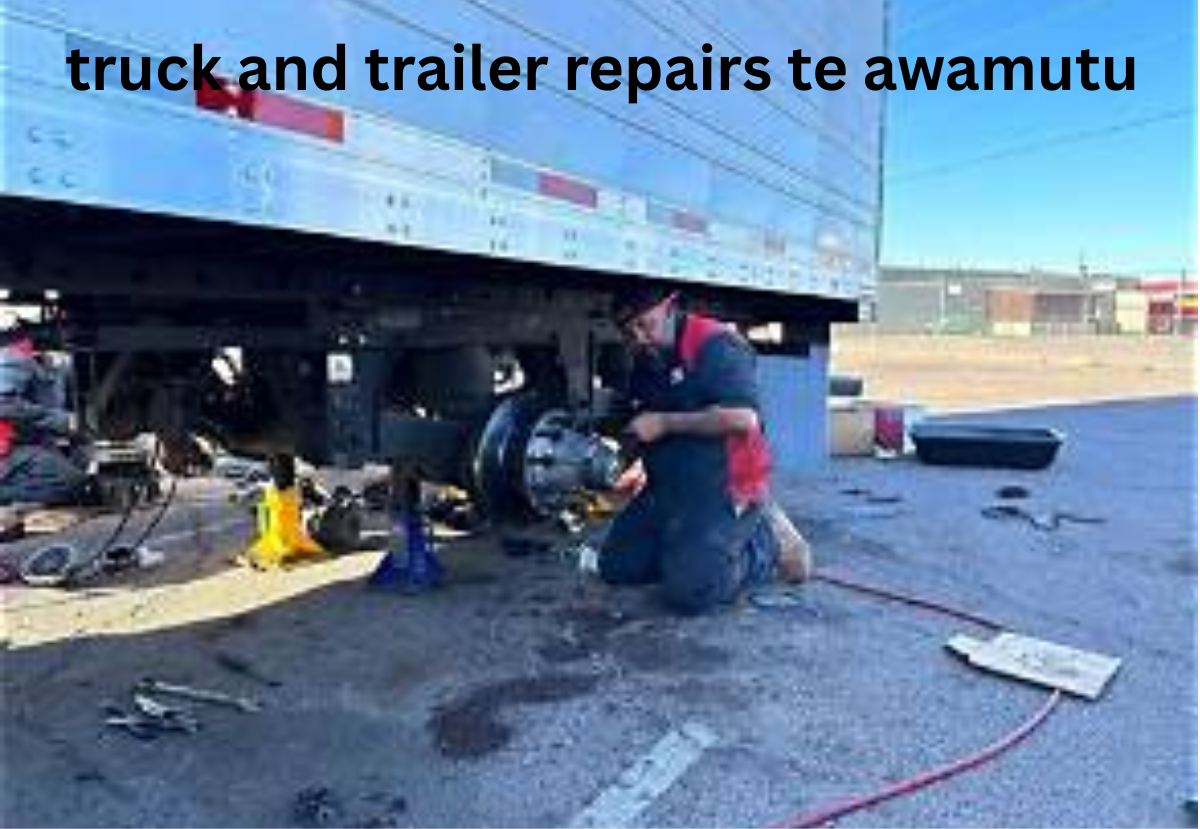
Keeping commercial trucks and trailers in dependable condition is essential for businesses that rely on regular transport. From freight and agricultural work to construction and local deliveries, a mechanical problem can quickly interrupt schedules and increase operating costs. If you need truck and trailer repairs Te Awamutu, choosing a capable heavy-vehicle repair service can help identify problems early and keep your vehicles working safely.
Truck and trailer repair involves much more than fixing a breakdown. It can include inspections, preventative maintenance, brake repairs, steering and suspension work, engine diagnostics, electrical troubleshooting, trailer servicing, and repairs to components that experience heavy loads and frequent use.
This guide explains what to look for in a truck and trailer repair service, common problems to watch for, why preventative maintenance matters, and how to prepare your vehicle for professional servicing.
Table of Contents
Why Regular Truck and Trailer Maintenance Matters
Heavy vehicles operate under demanding conditions. Long distances, heavy loads, frequent braking, rough roads, weather exposure, and repeated starting and stopping can place considerable stress on mechanical and structural components.
Regular maintenance helps businesses:
- Identify worn components before they become serious problems
- Reduce unexpected breakdowns
- Maintain vehicle reliability
- Support safe operation
- Improve vehicle availability
- Plan repairs instead of dealing with emergencies
- Protect expensive components from avoidable wear
Preventative servicing is particularly important for vehicles that are used every day. A small mechanical issue can become considerably more disruptive if it is ignored.
What Is Included in Truck and Trailer Repairs?
The exact work depends on the vehicle, its condition, and the problem being diagnosed. A professional heavy-vehicle workshop may provide several types of repair and maintenance services.
Truck Mechanical Repairs
Truck mechanical servicing can cover components such as:
- Engine systems
- Cooling systems
- Transmission and driveline components
- Clutches
- Braking systems
- Steering components
- Suspension
- Wheel and hub assemblies
- Exhaust systems
- Belts and hoses
Because heavy trucks vary significantly in design and configuration, proper diagnosis should come before replacing parts.
Trailer Repairs and Servicing
Trailers have their own maintenance requirements and should not be treated as an afterthought.
Trailer repairs may involve:
- Trailer brakes
- Suspension components
- Wheel bearings
- Hubs and axles
- Lighting and electrical connections
- Couplings and related components
- Air systems where fitted
- Chassis and structural components
- Doors, latches, and other trailer hardware
A trailer problem can affect the entire vehicle combination, so unusual movement, braking behaviour, noise, or visible damage should be investigated promptly.
Common Truck Problems That Need Professional Attention
Some warning signs are easy to notice, while others may only appear during inspection.
Brake Problems
Brake issues can include unusual noises, reduced braking performance, pulling during braking, vibration, or warning indicators.
Because braking is critical to vehicle control, suspected brake faults should not be ignored.
Steering Problems
A truck that feels unstable, wanders, develops excessive steering play, or behaves differently around corners may require inspection of its steering and related components.
Suspension Issues
Heavy loads place substantial demands on suspension systems. Signs of trouble can include uneven ride height, unusual movement, abnormal tyre wear, or excessive bouncing.
Clutch and Transmission Problems
Difficulty changing gears, clutch slipping, unusual noises, or delayed engagement can indicate a problem within the clutch, transmission, or related driveline components.
Early diagnosis can help determine whether the issue is relatively straightforward or requires more extensive repair.
Engine and Cooling System Faults
Loss of power, overheating, unusual smoke, warning lights, poor starting, or abnormal engine noises should be investigated rather than simply worked around.
Ignoring engine or cooling problems can lead to more extensive damage.
Electrical Problems
Modern trucks depend on electrical and electronic systems for many functions. Faults can affect:
- Starting
- Lighting
- Sensors
- Instrumentation
- Charging systems
- Warning systems
- Trailer connections
Electrical diagnosis can be particularly useful when a problem is intermittent or difficult to identify through visual inspection alone.
Warning Signs Your Truck or Trailer Needs a Repair
Not every mechanical problem starts with a complete breakdown. Paying attention to changes in vehicle behaviour can help you arrange repairs earlier.
Watch for:
- New or unusual noises
- Grinding, knocking, or squealing sounds
- Difficulty starting
- Warning lights
- Loss of engine power
- Fluid leaks
- Reduced braking performance
- Steering that feels loose or unusually heavy
- Excessive vibration
- Uneven tyre wear
- Changes in suspension height
- Trailer lights not operating correctly
- Unusual trailer movement
- Increased fuel consumption accompanied by other mechanical symptoms
If a vehicle develops a significant safety-related fault, it should be assessed before continuing normal operation.
Truck Repairs vs Preventative Maintenance
Repair and maintenance are related, but they serve different purposes.
| Truck Repairs | Preventative Maintenance |
|---|---|
| Addresses an existing fault | Helps reduce the likelihood of faults |
| Often follows a symptom or failure | Follows a planned schedule |
| May require urgent attention | Can usually be planned |
| Restores damaged or worn components | Checks and maintains components |
| Can cause unexpected downtime | Helps businesses plan downtime |
A good maintenance approach combines both. Routine inspections can identify wear, while timely repairs address problems before they become larger failures.
Why Trailer Maintenance Deserves Equal Attention
It is easy to focus on the truck because it contains the engine and many complex mechanical systems. However, trailers also experience considerable stress.
A loaded trailer can place substantial demands on its braking, suspension, tyres, wheels, bearings, chassis, and coupling components.
Regular trailer inspections should therefore form part of a complete fleet maintenance strategy.
Pay particular attention to:
- Tyre condition
- Wheel and hub condition
- Brake performance
- Suspension
- Lighting
- Electrical connections
- Coupling components
- Structural condition
- Signs of corrosion or damage
If a trailer behaves differently from normal, arrange an inspection rather than assuming the problem will disappear.
The Importance of Accurate Diagnosis
Replacing parts without identifying the underlying problem can waste time and money.
For example, unusual tyre wear might be associated with several possible issues, including alignment, suspension wear, incorrect tyre pressure, or another mechanical condition. Simply replacing the tyre may not solve the underlying cause.
A proper repair process should generally involve:
- Listening to the driver’s description of the problem.
- Inspecting the vehicle.
- Testing relevant systems.
- Identifying the likely cause.
- Explaining the recommended repair.
- Completing the repair using appropriate components and procedures.
- Checking the vehicle after the work.
This approach helps distinguish the actual fault from symptoms that may have another cause.
Choosing a Truck and Trailer Repair Service in Te Awamutu
When searching for truck and trailer repairs Te Awamutu, do not choose a workshop based solely on price.
Consider the following factors.
Heavy-Vehicle Experience
Trucks and trailers require knowledge that differs from ordinary passenger vehicles. Look for a repairer experienced with the types of commercial vehicles you operate.
Range of Services
A workshop that can handle mechanical diagnosis, truck servicing, trailer repairs, braking systems, steering, suspension, and electrical faults can make fleet maintenance easier to manage.
Clear Communication
A reliable repairer should be able to explain:
- What has been found
- What needs immediate attention
- Which repairs can be planned
- What parts or components are involved
- What additional work may be required
Clear communication helps you make informed maintenance decisions.
Quality Workmanship
Heavy vehicles operate under demanding conditions, so repairs should be completed carefully and appropriately for the vehicle and its intended use.
Practical Scheduling
For commercial operators, downtime matters. Ask about expected repair times and whether servicing can be scheduled around your operational requirements.
How to Prepare Before Taking Your Truck to a Workshop
You can make the diagnostic process easier by providing useful information.
Before the appointment, note:
- When the problem first appeared
- Whether it happens when the truck is cold or warm
- Whether the vehicle was loaded when the issue occurred
- Any unusual sounds or smells
- Warning lights that appeared
- Recent repairs or maintenance
- Whether the problem happens continuously or intermittently
- Any changes in fuel consumption or performance
For trailer repairs, also mention whether the problem occurs while loaded, unloaded, braking, turning, or travelling over uneven roads.
Useful information from the driver can save diagnostic time.
What Questions Should You Ask a Repairer?
Before approving major work, ask practical questions such as:
- What is causing the problem?
- Is the vehicle safe to operate?
- Does the repair need to be completed immediately?
- Are there other worn components that should be inspected?
- What parts will need replacement?
- How long is the repair expected to take?
- Can the workshop provide an itemised estimate?
- Is additional work likely to be required after disassembly?
You do not need to be a mechanic to ask these questions. A trustworthy workshop should be comfortable explaining the situation in straightforward language.
You may also like to read these posts:
Truck Engine Rebuild Te Awamutu: Complete Guide for Truck Owners
Engine Reconditioners Te Awamutu
Truck Brake Repairs Te Awamutu
Truck brake service te awamutu
Preventative Maintenance Tips for Truck Operators
Professional servicing should be supported by regular checks by drivers and operators.
Check for Visible Leaks
Look for unusual fluid leaks around the engine, transmission, wheels, and other accessible areas.
Pay Attention to Changes
Drivers often notice changes before a serious failure occurs. Unusual vibration, noise, handling, braking, or performance should be reported.
Inspect Tyres Regularly
Check tyre condition and pressure according to the vehicle manufacturer’s requirements and your operating procedures.
Keep Service Records
Maintain records of servicing, inspections, repairs, and component replacement. Good records can make it easier to identify recurring issues and plan future maintenance.
Do Not Ignore Warning Lights
A warning indicator may represent a developing fault. Continuing to operate the vehicle without investigating it can potentially turn a manageable issue into a more serious repair.
How Regular Servicing Can Help Fleet Operators
For businesses operating multiple trucks and trailers, maintenance should be approached systematically.
A fleet maintenance program can help operators:
- Schedule servicing in advance
- Track recurring faults
- Monitor component replacement
- Reduce unexpected downtime
- Coordinate repairs across vehicles
- Keep maintenance records organised
- Identify vehicles that may require additional attention
The goal is not simply to repair vehicles after they fail. It is to keep the fleet in dependable working condition through planned maintenance and timely repairs.
When Should You Book a Repair?
There is no single repair interval that applies to every truck or trailer. Maintenance requirements depend on factors such as vehicle design, manufacturer recommendations, mileage or operating hours, load, operating environment, and how the vehicle is used.
You should arrange an inspection when:
- A new mechanical symptom appears
- A warning indicator stays illuminated
- Braking or steering behaviour changes
- A trailer develops unusual movement
- A component shows visible damage
- A recurring fault returns after repair
- Scheduled servicing is due
Always follow the relevant manufacturer’s maintenance recommendations and applicable requirements for your vehicle.
Emergency Breakdown or Planned Repair?
The right response depends on the severity of the problem.
Planned repair is appropriate when a non-critical issue can be safely scheduled without affecting vehicle operation.
Urgent attention is more appropriate when there is a significant problem involving braking, steering, overheating, major fluid loss, severe mechanical noise, or another issue that may compromise safe operation.
If continuing to drive could make the vehicle unsafe or cause additional damage, arrange professional assistance rather than taking unnecessary risks.
Questions to Ask Before Choosing a Repair Workshop
A quick comparison can help you select a suitable provider.
Look for a repair service that offers:
- Experience with commercial vehicles
- Truck and trailer servicing
- Professional fault diagnosis
- Brake, steering, and suspension expertise
- Transparent communication
- Clear estimates where applicable
- Appropriate replacement components
- Practical scheduling
- Good attention to preventative maintenance
The best choice will depend on your truck type, trailer configuration, repair requirements, and operating schedule.
Frequently Asked Questions
What types of truck problems can a repair workshop diagnose?
A heavy-vehicle workshop may diagnose issues involving engines, transmissions, clutches, brakes, steering, suspension, electrical systems, cooling systems, driveline components, and other vehicle systems.
Do trailers need regular servicing?
Yes. Trailers have their own braking, suspension, wheel, bearing, electrical, structural, and coupling components that require inspection and maintenance.
How do I know whether a truck needs immediate repair?
Problems involving braking, steering, major fluid leaks, overheating, severe mechanical noises, or other significant changes in vehicle behaviour should be assessed promptly. If you are unsure whether the vehicle is safe to operate, seek professional advice before continuing.
Can preventative maintenance reduce unexpected breakdowns?
Regular inspections and servicing can help identify worn or developing problems before they become larger failures. However, no maintenance program can eliminate every unexpected breakdown.
What information should I give the mechanic?
Explain what the vehicle is doing differently, when the problem occurs, whether the truck is loaded, what warning lights appeared, and whether any recent repairs or maintenance were completed. Driver observations can be especially useful.
Should trucks and trailers be serviced together?
Where practical, inspecting the truck and trailer as a complete vehicle combination can provide a more complete picture of its condition. The appropriate maintenance schedule will depend on each vehicle and its manufacturer’s requirements.
Conclusion
Reliable commercial transport depends on reliable equipment. Regular inspections, timely repairs, and proper maintenance can help truck and trailer operators identify problems earlier, manage downtime, and keep their vehicles operating as intended. Whether you need routine servicing or have noticed a developing mechanical issue, choose a repairer with suitable heavy-vehicle experience and a clear approach to diagnosis and repair.
If you’re searching for truck and trailer repairs Te Awamutu, compare local repair services carefully, explain the symptoms clearly, ask questions about the recommended work, and keep preventative maintenance on schedule. A proactive approach can make truck and trailer maintenance more predictable and help you avoid unnecessary disruption to your business.
