

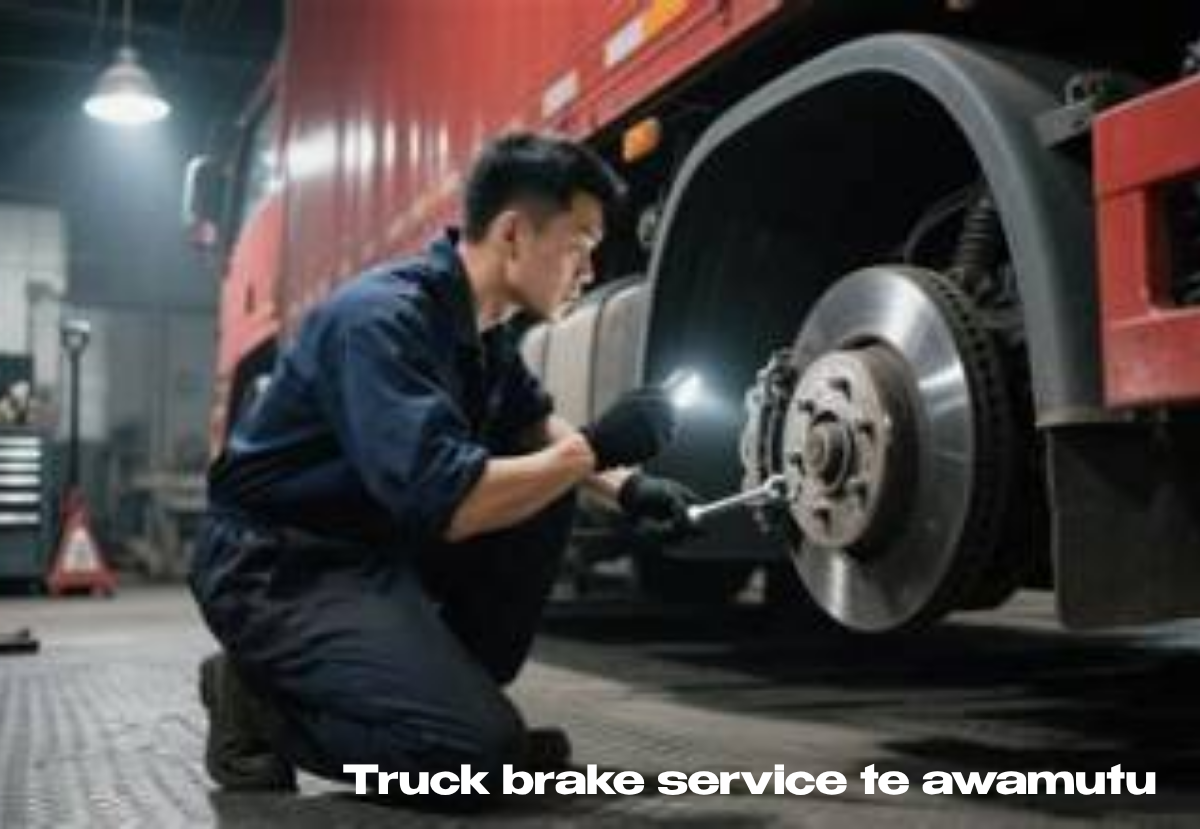
When you operate a truck for deliveries, construction, agriculture, transport, or other commercial work, reliable brakes are essential. Professional truck brake service te awamutu helps identify worn components, braking faults, and developing problems before they become more serious. Regular inspections can also help keep heavy vehicles dependable and reduce unexpected downtime.
Truck braking systems work under much greater loads than those found on ordinary passenger vehicles. Depending on the truck, the system may include air brakes, hydraulic components, brake chambers, discs or drums, ABS, valves, hoses, and electronic controls. Because these systems are safety-critical, brake problems should be assessed by technicians with appropriate heavy-vehicle experience.
Table of Contents
Why Truck Brake Servicing Matters

A loaded truck needs dependable braking performance in a wide range of driving conditions. Frequent stops, steep roads, heavy loads, towing, and long operating hours can all place significant demands on braking components.
Regular brake servicing can help:
- Identify worn brake components early
- Maintain consistent braking performance
- Reduce the risk of unexpected brake-related breakdowns
- Detect air or hydraulic leaks
- Check ABS and electronic brake-related faults
- Protect related components from excessive wear
- Reduce unplanned vehicle downtime
- Support safer day-to-day truck operation
Brake servicing should not be treated as something to arrange only after a serious problem appears. Preventive inspections are often a better approach for trucks that operate frequently or carry heavy loads.
What Is Included in Truck Brake Service?
The exact work depends on the truck’s braking system, condition, manufacturer requirements, and the symptoms being reported. A professional inspection may include several areas.
Brake Pads, Linings, Discs and Drums
Friction components gradually wear as the truck is driven and repeatedly brought to a stop.
A technician may inspect:
- Brake pads
- Brake shoes and linings
- Brake discs or rotors
- Brake drums
- Calipers
- Related mounting hardware
Excessive wear can affect braking performance and may also allow damaged components to cause further problems.
Air Brake System Inspection
Many heavy commercial vehicles use compressed-air braking systems. These systems require more than simply checking the friction material.
An inspection may involve checking:
- Air lines and hoses
- Brake chambers
- Air valves
- Air reservoirs
- Compressor performance
- Connections and fittings
- Pressure-related problems
- Signs of air leakage
An air leak or faulty component can affect how the braking system operates and should be investigated promptly.
Hydraulic Brake Checks
Where a truck uses hydraulic braking components, technicians may examine the hydraulic circuit for leaks, contamination, damaged hoses, and other faults.
Depending on the vehicle, servicing may include checking brake fluid condition and inspecting the master cylinder, calipers, wheel cylinders, and associated components.
ABS and Electronic Brake Diagnostics
Modern commercial vehicles can contain electronic systems that monitor braking performance and wheel behaviour.
If an ABS or brake warning light appears, diagnostic equipment can help identify whether the problem involves a sensor, wiring, control unit, or another component.
Electronic diagnostics should complement, rather than replace, a physical inspection of the braking system.
Common Signs Your Truck Needs Brake Attention
Truck operators should pay attention to changes in braking behaviour. A vehicle does not need to completely lose braking ability before it requires inspection.
Warning signs can include:
- Longer stopping distances
- Grinding or unusual brake noises
- Squealing or abnormal vibrations
- Brake warning or ABS lights
- Pulling to one side during braking
- A brake pedal that feels different from normal
- Reduced braking response
- Air pressure problems in an air-brake system
- Burning smells around the wheels
- Uneven brake wear
- Excessive heat around a brake assembly
If braking performance suddenly changes, avoid continuing normal operation until the problem has been assessed safely.
How Often Should Truck Brakes Be Serviced?
There is no single servicing interval that applies to every truck. Brake inspection requirements depend on factors such as the vehicle design, manufacturer recommendations, operating environment, mileage, load, and frequency of use.
A truck used for frequent heavy hauling may experience substantially different brake wear from a vehicle used occasionally.
A sensible maintenance approach is to:
- Follow the vehicle manufacturer’s maintenance recommendations.
- Include brake checks within routine truck servicing.
- Inspect brakes when unusual symptoms appear.
- Pay particular attention to vehicles carrying heavy or variable loads.
- Keep records of inspections, repairs, and replaced components.
- Arrange professional assessment when brake performance changes.
Routine checks are especially important for fleet operators because identifying wear early can make maintenance easier to plan.
Truck Brake Repairs vs. Preventive Brake Maintenance
Brake repair and brake maintenance are related but not identical.
| Brake Maintenance | Brake Repair |
|---|---|
| Routine inspection | Fixes an identified fault |
| Looks for early wear | Addresses damaged or failed components |
| Helps plan future work | Restores affected system components |
| Can reduce unexpected downtime | May be required urgently |
| Usually scheduled | Can be scheduled or emergency work |
Preventive maintenance does not guarantee that a truck will never develop a fault. However, it provides an opportunity to identify developing problems before they interfere with normal operations.
Why Heavy Trucks Need Specialist Brake Knowledge
Heavy vehicles differ significantly from passenger cars. Their braking systems must manage greater vehicle mass and may use air-operated or electronically controlled systems.
A suitable truck brake technician should understand:
- Heavy-duty braking components
- Air brake systems
- Hydraulic braking systems where applicable
- ABS and electronic diagnostics
- Brake wear patterns
- Brake adjustment and related components
- Manufacturer-specific service procedures
- Heavy vehicle inspection requirements
Using the right diagnostic and inspection methods is important because replacing a component without identifying the underlying cause may not resolve the problem.
You may also like to read these posts:
Truck Engine Rebuild Te Awamutu: Complete Guide for Truck Owners
Engine Reconditioners Te Awamutu
Truck Brake Repairs Te Awamutu
Truck brake service te awamutu
Choosing a Truck Brake Workshop in Te Awamutu
If you are looking for truck brake service te awamutu, consider more than just convenience or price.
Look for Heavy-Vehicle Experience
Ask whether the workshop regularly works on commercial trucks and heavy vehicles similar to yours.
Experience with heavy-duty braking systems can be particularly valuable when dealing with complex air, hydraulic, or electronic faults.
Ask What the Inspection Covers
A useful brake inspection should go beyond simply looking at one visible component. Ask whether the service includes the relevant parts of your truck’s braking system.
Consider Diagnostic Capability
For trucks equipped with electronic braking or ABS systems, suitable diagnostic equipment can help technicians investigate warning lights and electronic faults.
Ask About Parts and Repairs
Before approving major work, ask which components require replacement and why. A reputable workshop should be able to explain the problem in understandable terms.
Consider Downtime
For commercial operators, repair time matters because an unavailable truck can disrupt deliveries, projects, and schedules. A workshop that understands commercial vehicle operations can help make maintenance easier to plan.
How to Reduce Truck Brake Wear
Good maintenance begins with the way a truck is operated.
Practical measures include:
- Avoid unnecessary harsh braking where conditions allow.
- Maintain appropriate tyre pressures.
- Do not exceed the vehicle’s specified load limits.
- Pay attention to unusual brake behaviour.
- Carry out routine inspections.
- Keep air-brake systems properly maintained where applicable.
- Address warning lights promptly.
- Follow manufacturer maintenance recommendations.
- Avoid delaying repairs after a fault has been identified.
Driver feedback is also valuable. A driver who notices a change in braking response, noise, vibration, or air pressure can provide useful information to the technician.
What Happens During a Professional Brake Inspection?

A typical inspection may begin with a discussion about the truck’s symptoms and operating conditions.
The technician may then:
- Review the reported braking problem.
- Inspect relevant brake components.
- Check for visible damage, leaks, or excessive wear.
- Test air or hydraulic components as appropriate.
- Check electronic brake or ABS fault information where relevant.
- Identify components requiring repair or replacement.
- Explain the recommended repair work.
- Test the system after repairs according to the appropriate procedure.
The precise process varies according to the truck and the type of braking system fitted.
When Should You Stop Driving a Truck?
Some brake symptoms should be treated as urgent. If the truck has a major loss of braking performance, serious air pressure problems, significant fluid leakage, unusual brake overheating, or another condition that makes the vehicle unsafe to operate, it should not simply be driven to the workshop.
Arrange appropriate professional assistance instead.
Never rely on continued driving to determine whether a serious brake problem will improve by itself.
Truck Brake Service for Fleet Operators
Fleet owners have additional maintenance challenges because several vehicles may require inspections and repairs at different times.
A planned brake maintenance programme can help fleet managers:
- Track service history
- Schedule inspections
- Identify recurring faults
- Plan component replacement
- Reduce unexpected downtime
- Keep maintenance records organised
Fleet servicing can be particularly useful for vehicles that operate on regular delivery routes or perform demanding work every day.
Frequently Asked Questions
How do I know if my truck needs a brake service?
Longer stopping distances, unusual noises, vibrations, pulling during braking, warning lights, air pressure problems, and noticeable changes in braking response are all reasons to arrange an inspection.
Can a truck brake problem be caused by something other than worn brake pads?
Yes. Depending on the braking system, the cause could involve air leaks, brake chambers, hydraulic components, sensors, valves, wiring, calipers, drums, discs, or other related parts.
Are truck brakes different from car brakes?
Yes. Heavy vehicles may use braking systems designed specifically for much greater vehicle weights and commercial operating conditions. Many trucks also use compressed-air braking systems and electronic controls.
Should brake warning lights be ignored if the truck still stops?
No. A warning light can indicate a developing fault even when the truck appears to brake normally. The cause should be diagnosed rather than ignored.
How can I find reliable truck brake service in Te Awamutu?
Look for a workshop with relevant heavy-vehicle experience, suitable diagnostic equipment, a clear inspection process, and technicians who can explain the required repairs. It is also useful to ask about availability, parts, and expected downtime before authorising significant work.
Final Conclusion
Reliable braking is one of the most important aspects of safe truck operation. Regular inspections, timely repairs, and appropriate preventive maintenance can help identify worn or faulty components before they create bigger problems. If you need truck brake service te awamutu, choose a qualified heavy-vehicle workshop that can properly inspect the braking system, diagnose faults, and explain the repairs your truck requires. Taking brake problems seriously helps protect the vehicle, its driver, and everyone sharing the road.

8 Comments
Pingback: Truck Brake Repairs Te Awamutu | Heavy Vehicle Service
Pingback: air brake repairs te awamutu | Heavy Truck Service
Pingback: Truck Engine Rebuild Te Awamutu | Expert Guide
Pingback: Truck Gearbox Repairs Te Awamutu - Truck Mechanic Te Awamutu
Pingback: Fleet Maintenance Te Awamutu | Reliable Fleet Care
Pingback: Truck COF Repairs Te Awamutu | Reliable Truck Repairs
Pingback: Truck and Trailer Repairs Te Awamutu | Reliable Service
Pingback: Truck Steering Repairs Te Awamutu | Expert Service