

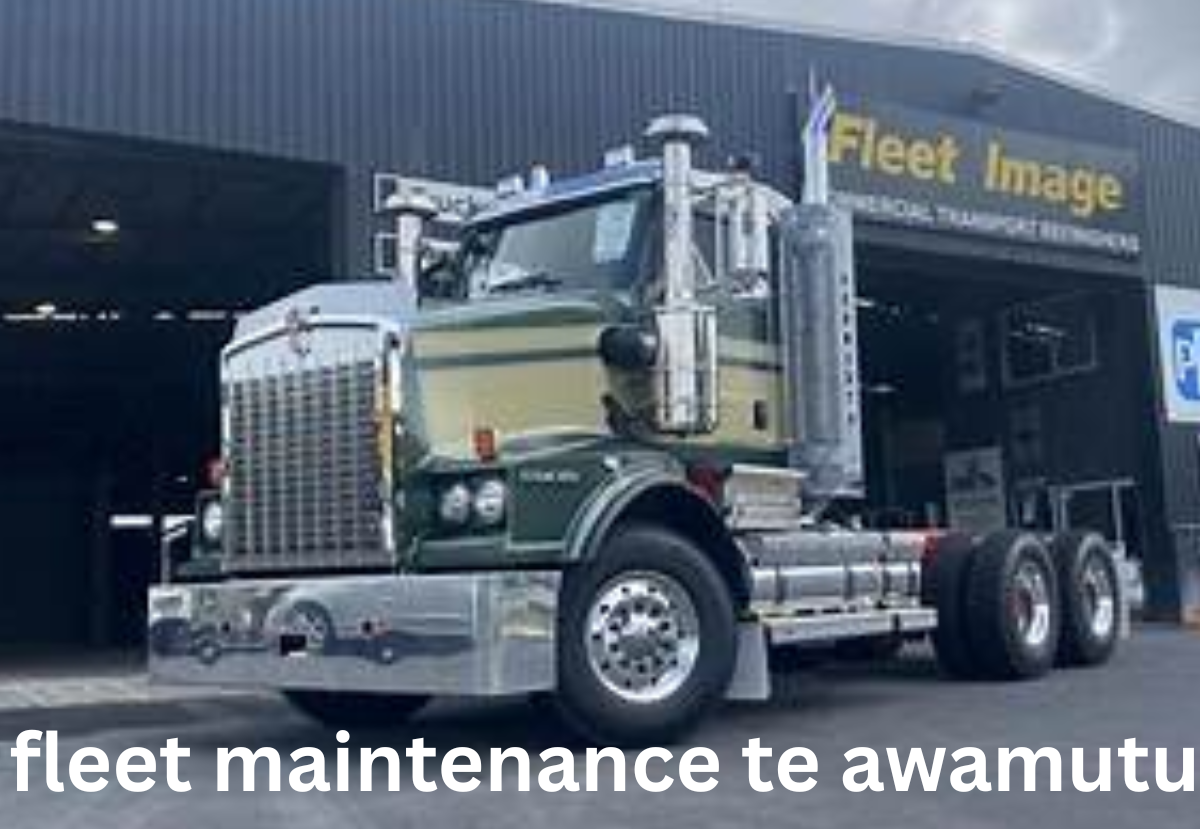
Keeping commercial vehicles dependable is essential for businesses that rely on transport every day. Fleet maintenance Te Awamutu services help businesses keep trucks, vans, and other fleet vehicles inspected, serviced, and repaired before minor issues become expensive breakdowns. A well-managed maintenance programme can also make vehicle problems easier to identify, reduce unexpected downtime, and help drivers operate vehicles with greater confidence.
Whether you operate a small local fleet or manage several heavy vehicles, maintenance should be treated as an ongoing business process rather than something to arrange only when a vehicle fails.
Table of Contents
What Is Fleet Maintenance?
Fleet maintenance is the regular inspection, servicing, repair, and monitoring of vehicles used by a business or organisation.
A fleet may include:
- Heavy trucks
- Light commercial vehicles
- Delivery vans
- Trailers
- Work vehicles
- Service vehicles
- Other commercial transport equipment
Maintenance can include routine servicing as well as repairs to mechanical, electrical, braking, steering, suspension, transmission, cooling, and other vehicle systems.
The goal is simple: identify wear and developing faults early, maintain vehicle reliability, and keep vehicles suitable for their intended work.
Why Regular Fleet Maintenance Matters
Commercial vehicles often spend more time on the road than private cars. High mileage, heavy loads, frequent stops, long-distance driving, and demanding working conditions can place considerable stress on vehicle components.
A consistent maintenance programme helps businesses:
- Reduce avoidable vehicle downtime
- Identify developing mechanical faults
- Maintain dependable vehicle performance
- Plan servicing around operational schedules
- Protect important vehicle components
- Improve maintenance record keeping
- Reduce the disruption caused by unexpected repairs
Preventive maintenance is particularly valuable for businesses because a vehicle sitting in a workshop unexpectedly can affect deliveries, staff schedules, customers, and overall productivity.
What Does Fleet Maintenance Include?
A professional fleet maintenance programme should cover more than an oil change. The exact requirements depend on the vehicle, manufacturer recommendations, mileage, age, workload, and operating conditions.
Engine and Routine Servicing
Routine engine servicing may include checks and replacement of service items such as:
- Engine oil
- Oil filters
- Air filters
- Fuel filters
- Belts
- Hoses
- Coolant
- Other manufacturer-specified service components
Regular servicing can help identify leaks, unusual wear, overheating concerns, and other developing problems.
Brake System Maintenance
Brakes are one of the most important safety systems on a commercial vehicle.
Maintenance may involve inspection of:
- Brake pads or linings
- Brake discs or drums
- Brake chambers and associated components
- Brake hoses and lines
- Air brake systems where applicable
- Brake fluid or other relevant fluids
- Signs of uneven wear or reduced performance
Any noticeable change in braking performance should be investigated promptly.
Steering and Suspension Checks
Steering and suspension components experience significant loads, particularly on heavy vehicles and trucks.
Technicians may inspect:
- Steering components
- Ball joints and related components where applicable
- Shock absorbers
- Springs
- Bushes
- Suspension mounting points
- Wheel alignment
- Signs of uneven tyre wear
Problems in these systems can affect handling, stability, tyre wear, and driving comfort.
Transmission and Clutch Maintenance
Fleet vehicles that frequently carry heavy loads can place substantial demands on their drivetrain.
Maintenance may include inspection or servicing of:
- Manual transmissions
- Automatic transmissions
- Gearboxes
- Clutches
- Driveshafts
- Differentials
- Transmission fluids
Warning signs such as difficulty changing gears, clutch slipping, unusual noises, or fluid leaks should not be ignored.
Electrical and Electronic Diagnostics
Modern commercial vehicles depend heavily on electrical and electronic systems.
Fleet maintenance may involve diagnosing:
- Starting problems
- Battery faults
- Alternator issues
- Lighting faults
- Warning lights
- Wiring problems
- Sensor faults
- Electronic control system errors
Diagnostic equipment can help technicians identify faults that may not be obvious during a basic visual inspection.
Cooling System Maintenance
An overheating engine can cause serious damage if the underlying problem is not addressed.
Checks may include the:
- Coolant level and condition
- Radiator
- Hoses
- Thermostat
- Water pump
- Cooling fans
- Cooling system for leaks
Fleet vehicles operating under heavy loads should receive particular attention when cooling problems are suspected.
Preventive Maintenance vs Reactive Repairs
There are two common approaches to vehicle maintenance.
| Preventive Maintenance | Reactive Maintenance |
|---|---|
| Servicing is planned in advance | Repairs happen after a fault occurs |
| Problems may be detected earlier | Faults may develop into larger problems |
| Easier to schedule around operations | Can cause unexpected downtime |
| Supports regular vehicle inspections | Often requires urgent attention |
| Helps maintain consistent vehicle condition | Vehicle may be unavailable unexpectedly |
Reactive repairs cannot always be avoided. Unexpected failures can happen even when vehicles are maintained properly. However, planned maintenance gives fleet operators a better opportunity to identify worn or deteriorating components before they cause major disruption.
Signs Your Fleet Vehicle Needs Attention
Drivers are often the first people to notice changes in vehicle behaviour. Encourage them to report unusual symptoms rather than continuing to drive and hoping the problem disappears.
Important warning signs include:
- Difficulty starting
- New or unusual engine noises
- Excessive smoke
- Reduced braking performance
- Steering that feels loose or unusual
- Vehicle pulling to one side
- Excessive vibration
- Difficulty changing gears
- Warning lights on the dashboard
- Fluid leaks
- Overheating
- Uneven tyre wear
- Unusual fuel consumption
- Reduced vehicle performance
A small symptom can sometimes indicate a developing mechanical or electrical fault. Early inspection may help prevent the issue from becoming more complicated.
How to Build an Effective Fleet Maintenance Schedule
A useful maintenance schedule should be based on the needs of each vehicle rather than applying exactly the same routine to every vehicle in the fleet.
Consider:
- Manufacturer service recommendations – Follow the vehicle manufacturer’s maintenance requirements where applicable.
- Mileage and operating hours – Track how much each vehicle is being used.
- Vehicle age – Older vehicles may require closer monitoring of certain components.
- Workload – Heavy loads and demanding operation can increase component wear.
- Operating environment – Dust, frequent short trips, rough roads, and other conditions can affect maintenance needs.
- Previous repairs – Recurring faults should be monitored rather than treated as isolated events.
Keeping accurate service records makes it easier to determine what has been done and what needs attention next.
Fleet Maintenance Records: What Should You Track?
Good record keeping can make fleet management much easier.
For each vehicle, consider recording:
- Registration or fleet identification
- Vehicle make and model
- Current mileage
- Service dates
- Repairs completed
- Parts replaced
- Inspection results
- Reported driver concerns
- Tyre replacements
- Brake work
- Fluid servicing
- Diagnostic findings
- Upcoming maintenance requirements
These records can help fleet managers identify recurring problems and plan future workshop visits more effectively.
You may also like to read these posts:
Truck Engine Rebuild Te Awamutu: Complete Guide for Truck Owners
Engine Reconditioners Te Awamutu
Truck Brake Repairs Te Awamutu
Truck brake service te awamutu
How Fleet Maintenance Can Reduce Downtime
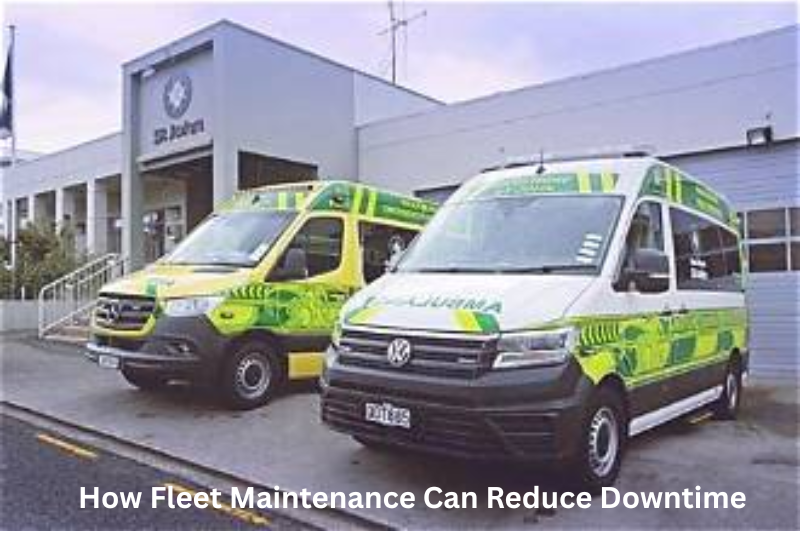
Downtime is more than the time a vehicle spends in a workshop. A vehicle that is unavailable can affect deliveries, jobs, customer commitments, and other vehicles within the fleet.
A practical maintenance strategy can reduce avoidable downtime by:
- Scheduling routine servicing in advance
- Acting on driver-reported problems quickly
- Monitoring recurring faults
- Keeping accurate service records
- Inspecting high-wear components regularly
- Planning repairs around operational requirements
- Using appropriate diagnostic equipment
Maintenance should be coordinated with the business’s transport schedule whenever possible.
Choosing a Fleet Maintenance Provider in Te Awamutu
When comparing fleet maintenance providers, businesses should look beyond basic servicing.
Consider whether the workshop has experience with the types of vehicles your business operates and whether it can handle the maintenance and repair requirements your fleet regularly encounters.
Look for:
Experience With Commercial Vehicles
A provider familiar with commercial vehicles can better understand the demands associated with regular business use, heavier loads, and high vehicle utilisation.
Broad Repair Capability
It can be convenient to work with a provider capable of handling several maintenance areas, including mechanical servicing, brakes, steering, suspension, transmission, and electrical diagnostics.
Clear Communication
A good maintenance provider should explain identified faults, recommended repairs, and the urgency of the work clearly.
Practical Scheduling
Fleet servicing needs to fit around business operations. Discuss booking requirements and expected workshop time before arranging maintenance.
Proper Maintenance Records
Clear documentation helps businesses keep track of previous work and upcoming servicing requirements.
Questions to Ask Before Booking Fleet Maintenance
Before choosing a workshop, ask questions such as:
- Do you work with commercial trucks and fleet vehicles?
- What types of vehicles can you service?
- Can you diagnose electrical and electronic faults?
- Do you provide routine preventive maintenance?
- Can you handle brake, steering, suspension, or transmission repairs?
- How are urgent repairs handled?
- Will you explain recommended repairs before work begins?
- Can maintenance records be provided?
- How far in advance should fleet servicing be booked?
The answers can help you determine whether a provider is suitable for your particular fleet.
Tips for Better Fleet Maintenance Management
Fleet maintenance is most effective when drivers, managers, and technicians communicate properly.
Encourage Driver Inspections
Drivers should be encouraged to report unusual sounds, warning lights, handling changes, leaks, and other concerns promptly.
Don’t Ignore Minor Problems
A small oil leak, unusual noise, or warning light should be investigated rather than automatically dismissed.
Keep Service Intervals Organised
Use a calendar, fleet management system, spreadsheet, or other suitable method to track upcoming maintenance.
Monitor Repeat Faults
If the same vehicle repeatedly develops the same problem, investigate the underlying cause instead of simply treating each occurrence separately.
Plan Around Vehicle Use
Where practical, schedule servicing during periods when vehicles are less heavily required.
Keep Records Up to Date
Accurate records provide a useful maintenance history and help identify patterns across individual vehicles.
Common Fleet Maintenance Mistakes to Avoid
Even businesses with established maintenance routines can overlook important areas.
Common mistakes include:
- Waiting for a breakdown before arranging service
- Ignoring dashboard warning lights
- Failing to record completed repairs
- Delaying repairs reported by drivers
- Using inconsistent maintenance intervals
- Focusing only on the engine while overlooking brakes or suspension
- Failing to monitor tyre condition
- Not tracking recurring faults
- Choosing a provider based only on the lowest quoted price
- Forgetting to account for trailers or other fleet equipment
A strong fleet maintenance programme considers the vehicle as a complete system rather than concentrating on one component.
Fleet Maintenance for Small and Large Businesses
The size of your fleet does not eliminate the need for structured maintenance.
Small Fleets
A business with only a few vehicles may benefit from a simple maintenance register showing:
- Vehicle details
- Current mileage
- Last service
- Next service
- Recent repairs
- Outstanding issues
Larger Fleets
Businesses operating numerous vehicles may need more detailed fleet management processes, including individual maintenance histories, inspection schedules, repair tracking, and planned workshop bookings.
Regardless of fleet size, the basic principle remains the same: know the condition of each vehicle and address maintenance needs before they become operational surprises.
When Should You Arrange Fleet Maintenance?
The correct service interval depends on the vehicle and how it is used. Manufacturer recommendations should form the starting point, while actual operating conditions may require additional inspections or attention.
Arrange an inspection promptly when a vehicle develops:
- A warning light
- A new mechanical noise
- A braking concern
- Steering changes
- Excessive vibration
- Fluid leakage
- Overheating
- Starting difficulties
- Gear-changing problems
- A noticeable change in performance
For businesses, routine maintenance should also be planned rather than waiting for these warning signs to appear.
Frequently Asked Questions
What is included in fleet maintenance?
Fleet maintenance can include routine servicing, inspections, mechanical repairs, brake work, steering and suspension checks, transmission servicing, electrical diagnostics, cooling-system checks, and other vehicle-specific maintenance.
How often should fleet vehicles be serviced?
There is no single interval suitable for every fleet. Maintenance schedules depend on the vehicle manufacturer’s recommendations, mileage, operating hours, vehicle age, workload, and operating conditions.
Why is preventive maintenance important for commercial vehicles?
Preventive maintenance helps identify developing faults earlier and allows businesses to plan servicing instead of relying entirely on unexpected breakdown repairs.
Can fleet maintenance include trucks?
Yes. Fleet maintenance can cover commercial trucks as well as vans, work vehicles, trailers, and other business-operated vehicles, provided the maintenance provider has the appropriate capability and experience.
What should drivers report to a fleet manager?
Drivers should report warning lights, unusual noises, leaks, steering or braking changes, overheating, vibrations, starting problems, gear-changing difficulties, and any noticeable change in vehicle performance.
How can a business keep better fleet maintenance records?
Maintain an individual service history for each vehicle. Record mileage, inspections, servicing, repairs, replaced components, reported problems, and upcoming maintenance requirements.
Conclusion
A reliable maintenance strategy helps businesses keep commercial vehicles in better working condition while reducing the disruption caused by avoidable faults. Regular inspections, planned servicing, accurate records, prompt repairs, and good communication between drivers and technicians all contribute to more effective fleet management. If your business operates commercial vehicles locally, fleet maintenance Te Awamutu can be an important part of keeping your vehicles ready for the work they need to perform. Choose a capable maintenance provider, follow appropriate service schedules, and address warning signs early rather than waiting for a costly breakdown.
