

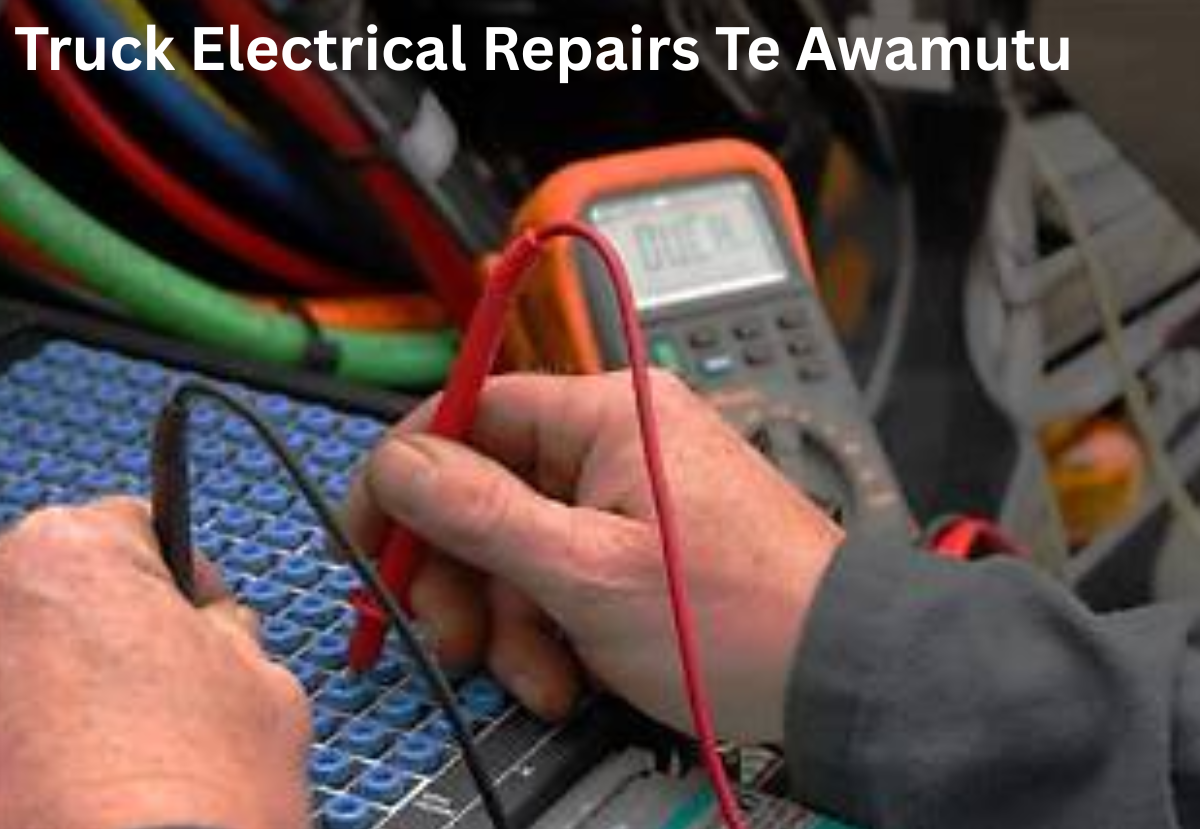
When a commercial truck develops an electrical fault, even a relatively small problem can prevent the vehicle from starting or affect important systems. Reliable truck electrical repairs Te Awamutu can help identify faults in batteries, wiring, charging systems, lighting, sensors, starter motors, and electronic control systems before they lead to greater downtime.
Modern trucks depend heavily on electrical and electronic components. From engine management systems and dashboard controls to trailer connections and safety-related equipment, these systems need accurate diagnosis and proper repairs. This guide explains common truck electrical problems, warning signs, repair services, and practical maintenance tips for truck owners and fleet operators.
Table of Contents
What Do Truck Electrical Repairs Include?

Truck electrical repairs cover the inspection, diagnosis, servicing, and replacement of electrical and electronic components used throughout a heavy vehicle.
Depending on the truck and its systems, electrical work may include:
- Battery testing and replacement
- Alternator and charging-system repairs
- Starter motor diagnosis
- Wiring and electrical connection repairs
- Fuse and relay inspection
- Lighting repairs
- Trailer electrical connections
- Dashboard and warning-light diagnosis
- Sensor and electrical-control-system testing
- Electrical fault finding
- Electronic diagnostic scans
- Repairs to damaged connectors and terminals
A qualified technician should diagnose the underlying cause rather than simply replacing the component that appears faulty.
Why Truck Electrical Systems Need Specialist Attention
Truck electrical systems are often more complex than those found in ordinary passenger vehicles. Heavy vehicles can have multiple batteries, sophisticated electronic control modules, extensive wiring harnesses, trailer connections, and systems that communicate electronically.
Electrical problems can also be difficult to identify because one fault may produce several symptoms.
For example, a weak battery may cause:
- Slow engine cranking
- Flickering lights
- Dashboard warning messages
- Starting difficulties
- Unusual electronic behaviour
Similarly, a damaged wiring connection can create intermittent faults that disappear and return while the truck is being driven.
Professional electrical diagnostics can help determine whether the problem is caused by the battery, alternator, starter, wiring, grounding, control module, sensor, or another component.
Common Truck Electrical Problems
1. Battery Problems
The battery provides the electrical power required to start the truck and operate various electrical systems.
A failing or discharged battery may cause:
- Slow or clicking starter operation
- Difficulty starting
- Dim headlights
- Weak interior or dashboard lighting
- Electrical accessories stopping unexpectedly
- Repeated battery discharge
Battery problems can result from age, poor connections, charging-system faults, excessive electrical load, or the truck being left unused for extended periods.
2. Alternator and Charging Faults
The alternator helps maintain battery charge while the engine is running and supplies electrical power to the vehicle’s systems.
Signs of a charging problem can include:
- Battery warning indicators
- Repeatedly flat batteries
- Dim or fluctuating lights
- Electrical accessories operating inconsistently
- Starting problems after driving
A technician can test the charging system to determine whether the issue involves the alternator, belt, wiring, battery, or related components.
3. Starter Motor Faults
A starter motor turns the engine during startup. If it becomes worn or develops an electrical fault, the truck may crank slowly or fail to crank.
Possible symptoms include:
- Clicking when attempting to start
- No response from the starter
- Slow engine cranking
- Intermittent starting
- Starter operation followed by complete failure
Because starting problems can also originate from the battery or wiring, testing the complete starting circuit is important.
4. Wiring and Connection Damage
Truck wiring is exposed to vibration, moisture, heat, dirt, and mechanical movement. Over time, wiring harnesses, terminals, connectors, and grounds can become damaged or corroded.
Electrical wiring problems may cause:
- Intermittent faults
- Blown fuses
- Non-functioning lights
- Sensor errors
- Starting issues
- Warning lights
- Electrical accessories failing unexpectedly
Finding the precise location of a wiring fault can require systematic testing rather than visual inspection alone.
5. Lighting Problems
Commercial trucks rely on properly functioning exterior lighting for visibility and communication with other road users.
Electrical repairs may involve:
- Headlights
- Tail lights
- Brake lights
- Indicators
- Clearance lights
- Work lights
- Trailer lights
- Wiring and connectors
If a light repeatedly fails after the bulb has been replaced, the underlying issue may involve wiring, grounding, a connector, a fuse, or another electrical component.
6. Trailer Electrical Faults
Truck and trailer combinations have additional electrical connections that can develop faults.
Common trailer electrical problems include:
- Trailer lights not working
- Intermittent indicators
- Brake-light faults
- Damaged plugs
- Corroded connectors
- Broken wiring
- Poor grounding
Checking both the truck and trailer side of the electrical connection can help identify the source of the problem.
Warning Signs Your Truck May Need Electrical Repairs
Electrical problems should not always be ignored simply because the engine continues to run.
Arrange an inspection if you notice:
- The truck struggles to start.
- Battery warning lights appear.
- Headlights become unusually dim or flicker.
- Electrical accessories stop working.
- Fuses continue to blow.
- Dashboard warning messages appear.
- Trailer lights operate intermittently.
- The battery repeatedly goes flat.
- Electrical faults occur after rain or washing.
- The truck experiences unexplained intermittent faults.
An intermittent problem can be particularly important to investigate because it may become more difficult to diagnose after the fault develops further.
How Professional Truck Electrical Diagnostics Work
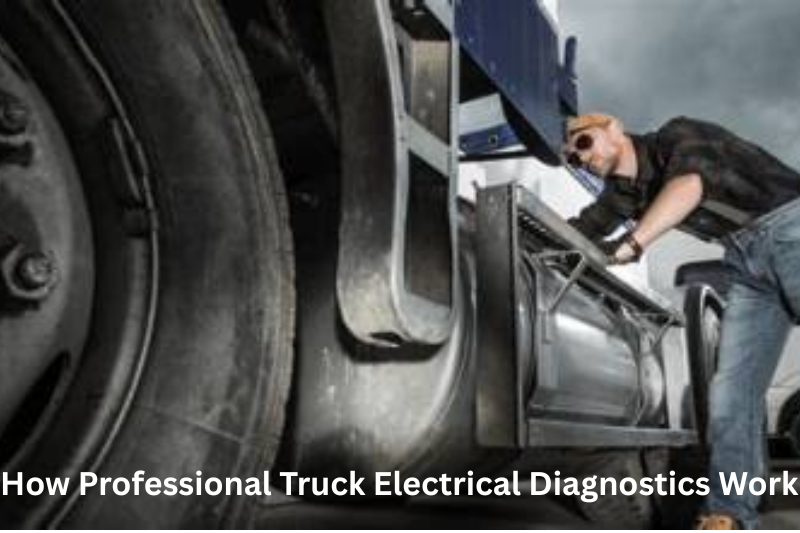
Electrical diagnostics should begin with the symptoms and operating conditions rather than immediately replacing parts.
A technician may:
Step 1: Identify the Symptoms
The technician asks when the problem occurs, whether it happens consistently, and whether any warning lights or messages appear.
Step 2: Inspect the Electrical System
The battery, terminals, cables, fuses, connectors, wiring, and visible components can be inspected for damage or corrosion.
Step 3: Test Electrical Components
Voltage, current, continuity, resistance, and charging-system performance may be tested as appropriate for the vehicle.
Step 4: Scan Electronic Systems
Modern trucks can contain electronic control units that store diagnostic information. Appropriate scan equipment can help identify fault codes and system abnormalities.
Step 5: Locate the Root Cause
The diagnostic results are considered alongside physical inspection and testing to determine the actual source of the fault.
Step 6: Complete and Verify the Repair
After the repair, the relevant system should be tested again to confirm that the original problem has been resolved.
This approach is preferable to replacing multiple components without establishing why the fault occurred.
You may also like to read these posts:
Truck Engine Rebuild Te Awamutu: Complete Guide for Truck Owners
Engine Reconditioners Te Awamutu
Truck Brake Repairs Te Awamutu
Truck brake service te awamutu
Electrical Repairs vs. Mechanical Repairs
Truck electrical and mechanical systems often interact, but they require different diagnostic approaches.
| Electrical Repairs | Mechanical Repairs |
|---|---|
| Batteries | Engine components |
| Alternators | Suspension |
| Starter motors | Steering components |
| Wiring | Mechanical brakes |
| Fuses and relays | Gearbox components |
| Sensors | Mechanical driveline parts |
| Lighting circuits | Mechanical engine components |
| Electronic control systems | Mechanical cooling components |
Some faults can involve both areas. For example, a starting problem might be caused by a weak battery, faulty starter motor, damaged cable, or an engine-related mechanical issue.
Choosing a Truck Electrical Repair Service in Te Awamutu
If you need truck electrical repairs Te Awamutu, consider more than just how quickly a workshop can replace a faulty component.
Look for a service that offers:
- Experience with heavy commercial vehicles
- Proper electrical diagnostic equipment
- Systematic fault finding
- Knowledge of modern truck electronics
- Clear communication about the repair
- Quality replacement components where required
- Testing after repairs
- Preventive maintenance advice
For businesses operating multiple trucks, it can also be useful to discuss planned maintenance and recurring electrical issues with the workshop.
How to Reduce Truck Electrical Problems
Preventive maintenance can help identify electrical issues before they become major interruptions.
Keep Battery Connections Clean
Corroded or loose terminals can interfere with electrical current and starting performance. Battery connections should be inspected as part of routine servicing.
Check Charging Performance
A healthy battery can still become repeatedly flat if the charging system is not operating correctly. Charging-system checks can help identify problems early.
Inspect Wiring
Look for damaged insulation, loose connections, exposed wires, or signs of rubbing around areas where wiring may move or vibrate.
Pay Attention to Warning Lights
Dashboard warnings should not automatically be dismissed. They can provide an early indication that a monitored system needs attention.
Check Trailer Connections
For trucks regularly operating with trailers, inspect plugs, sockets, cables, and lighting connections for contamination, corrosion, or physical damage.
Keep Maintenance Records
Recording recurring electrical faults can help technicians identify patterns and determine whether a problem is isolated or part of a larger issue.
What Should You Do If a Truck Loses Electrical Power?
If a truck develops a serious electrical problem while operating, safety should come first.
Where possible:
- Move the vehicle to a safe location.
- Use hazard warning lights if they are functioning and it is safe to do so.
- Avoid attempting complicated electrical repairs at the roadside.
- Do not continue driving if the fault affects critical vehicle systems.
- Arrange appropriate professional assistance.
If the problem involves smoke, burning smells, melted wiring, or signs of an electrical fire, stop using the affected system and seek professional help rather than continuing to operate the vehicle.
Why Accurate Diagnosis Matters for Fleet Operators
For a fleet, an electrical fault can mean more than a repair bill. An unavailable truck can affect deliveries, schedules, drivers, and other vehicles.
Accurate diagnosis helps avoid unnecessary component replacement and can make repairs more predictable.
Fleet operators can benefit from tracking:
- Repeated electrical faults
- Battery replacement history
- Charging-system problems
- Lighting failures
- Trailer electrical issues
- Diagnostic fault codes
- Maintenance dates
This information can help identify recurring problems and support better maintenance planning.
Frequently Asked Questions
How do I know if my truck has an electrical problem?
Difficulty starting, dim lights, repeated battery discharge, warning indicators, blown fuses, malfunctioning accessories, and intermittent electrical faults can all indicate an electrical problem.
Can a bad alternator keep a truck from starting?
Yes. If an alternator is not charging the battery properly, the battery can eventually become too weak to start the truck. However, starting problems can have several causes, so the complete starting and charging systems should be tested.
Why does my truck battery keep going flat?
Possible causes include a failing battery, charging-system fault, poor battery connections, excessive electrical load, wiring problems, or an electrical component continuing to draw power when the truck is switched off.
Can truck wiring be repaired?
In many situations, damaged wiring, connectors, and terminals can be repaired or replaced. The appropriate repair depends on the location, extent, and type of damage.
Are modern trucks harder to diagnose?
Modern trucks can have more sophisticated electrical and electronic systems, which may require appropriate diagnostic equipment and technical knowledge. Accurate testing can make fault finding more efficient.
Should I replace the battery before checking the alternator?
Not necessarily. If the battery repeatedly goes flat, replacing it without checking the charging system may not solve the underlying problem. Testing both systems is a better approach.
How can I prevent electrical breakdowns?
Regular inspections, battery and charging-system checks, wiring inspections, prompt attention to warning signs, and scheduled truck servicing can reduce the likelihood of unexpected electrical failures.
Final Conclusion
Reliable electrical systems are essential for safe and dependable truck operation. From batteries and alternators to wiring, starter motors, lighting, trailer connections, and electronic controls, each component can affect a truck’s ability to operate efficiently. If you are looking for truck electrical repairs Te Awamutu, choose a qualified service that can diagnose the underlying fault, carry out appropriate repairs, and verify that the electrical system is working correctly before the truck returns to regular operation.
Suggested SEO URL Slug:truck-electrical-repairs-te-awamutu

1 Comment
Pingback: Truck Electrical Fault Finding Te Awamutu