

Introduction
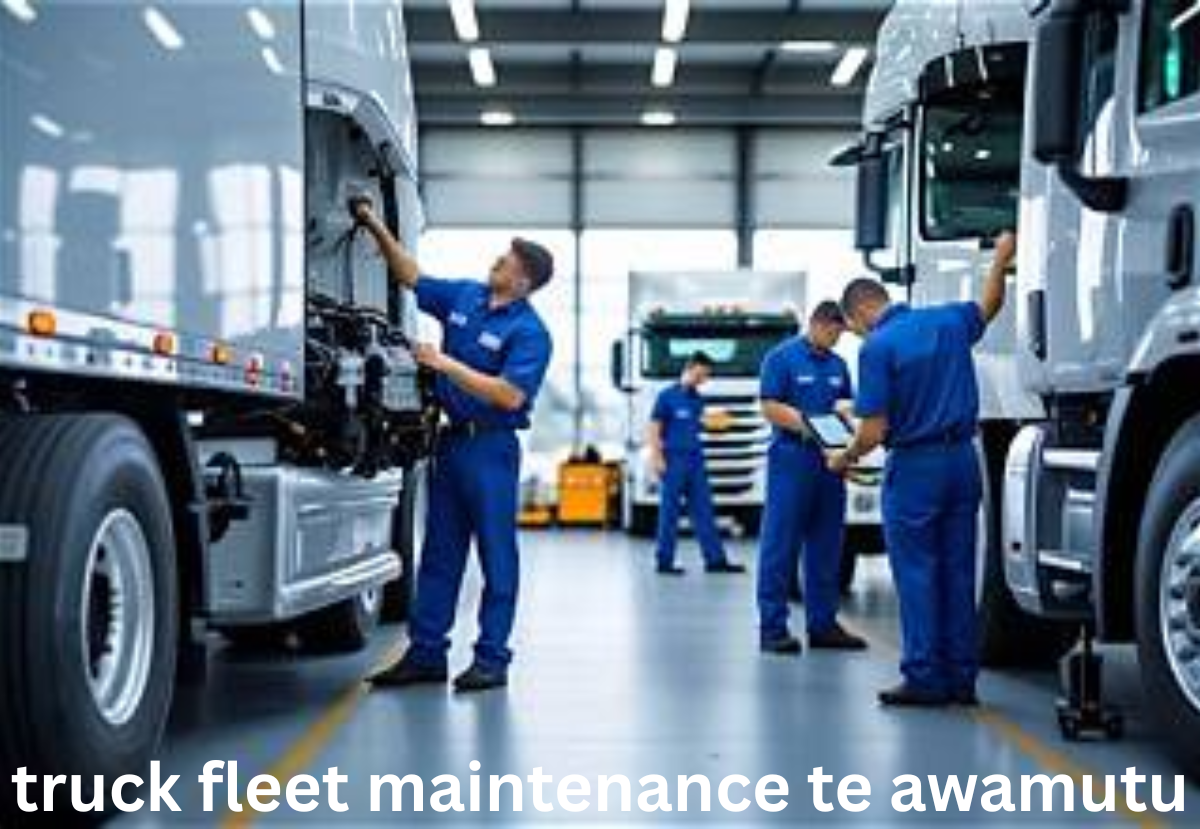
Reliable trucks are essential for businesses that depend on regular deliveries, freight movement, construction work, agriculture, and commercial transport. When one vehicle breaks down unexpectedly, it can affect schedules, drivers, customers, and operating costs. That is why truck fleet maintenance Te Awamutu is an important part of keeping commercial vehicles safe, dependable, and ready for work.
Fleet maintenance is more than fixing a truck after a problem appears. It involves planned servicing, inspections, preventative repairs, fault diagnosis, and monitoring the condition of important components. A structured maintenance approach can help identify developing problems before they become major breakdowns.
For businesses operating several trucks, having a consistent maintenance plan also makes it easier to track servicing, manage repair requirements, and keep vehicles available for daily operations.
Table of Contents
What Is Truck Fleet Maintenance?
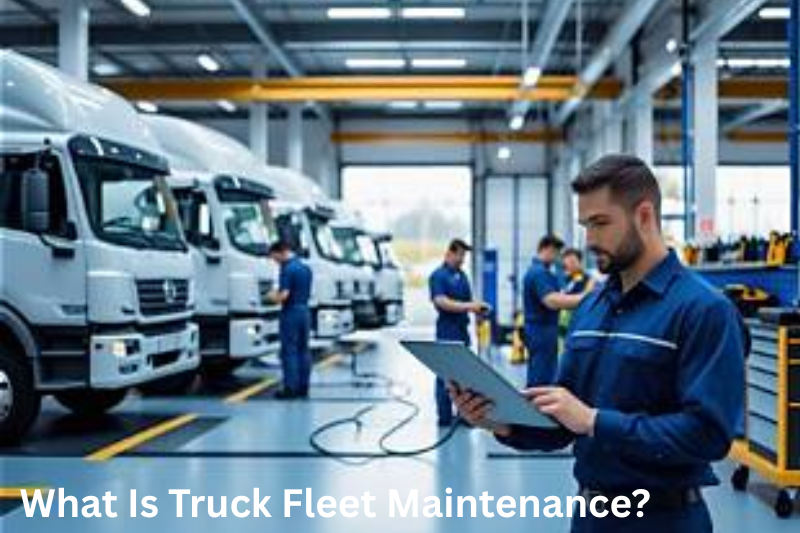
Truck fleet maintenance is the ongoing care and servicing of multiple commercial vehicles operated by a business. It covers routine inspections, scheduled servicing, repairs, component replacement, and troubleshooting.
Depending on the type of fleet, maintenance may involve:
- Engine servicing
- Oil and filter changes
- Brake inspections and repairs
- Transmission and gearbox servicing
- Clutch checks
- Suspension inspections
- Steering system repairs
- Electrical fault diagnosis
- Battery and charging-system checks
- Cooling-system maintenance
- Tyre inspections
- Lighting and safety-system checks
- Preventive component replacement
The exact maintenance schedule depends on the truck type, manufacturer recommendations, operating conditions, mileage, load, and how frequently each vehicle is used.
Why Fleet Maintenance Matters for Trucking Businesses
A commercial truck can spend many hours on the road and may carry substantial loads. Small mechanical problems can therefore develop into significant operational issues if they are ignored.
A well-managed maintenance programme helps businesses:
Reduce Unexpected Breakdowns
Regular inspections can reveal worn, damaged, or deteriorating components before they cause a roadside failure.
Improve Vehicle Reliability
Trucks that receive appropriate servicing are better prepared for demanding daily use.
Control Repair Costs
Preventive maintenance may identify relatively small issues before they require more extensive repairs.
Reduce Downtime
Planned servicing allows businesses to schedule maintenance around their operations instead of waiting for an unexpected breakdown.
Support Road Safety
Brakes, steering, tyres, suspension, lighting, and other safety-related systems need appropriate inspection and maintenance.
Improve Fleet Planning
Keeping maintenance records gives fleet managers a clearer picture of each vehicle’s condition and upcoming service requirements.
What Does Fleet Maintenance Include?
A complete fleet maintenance programme should cover the truck from the engine and drivetrain to the brakes, suspension, electrical systems, and other critical components.
Engine and Routine Servicing
Engine maintenance can include oil and filter servicing, inspection of belts and hoses, cooling-system checks, and investigation of unusual noises, smoke, or performance changes.
Ignoring changes in engine performance can allow a relatively straightforward problem to become more serious.
Brake System Maintenance
Brake components are among the most important systems on a commercial vehicle.
Maintenance may include checking:
- Brake pads or linings
- Discs or drums
- Brake chambers
- Air lines and connections
- Hydraulic components where applicable
- Warning indicators
- General braking performance
Any noticeable change in braking performance should be investigated promptly.
Transmission, Gearbox and Clutch
Commercial trucks place considerable demands on their drivetrains. Difficulty selecting gears, slipping, unusual noises, vibration, or fluid leaks can indicate a problem with the gearbox, transmission, or clutch.
Early diagnosis can help determine whether adjustment, servicing, component replacement, or a larger repair is required.
Steering and Suspension
Steering and suspension systems influence vehicle control, stability, tyre wear, and ride quality.
Technicians may inspect:
- Steering components
- Ball joints and related components
- Suspension bushes
- Springs
- Shock absorbers
- Mounting points
- Wheel alignment-related issues
- Signs of uneven tyre wear
A truck that pulls to one side, feels unstable, or develops unusual steering behaviour should not be ignored.
Electrical and Diagnostic Checks
Modern trucks rely on electrical and electronic systems for starting, charging, lighting, engine management, safety features, and other vehicle functions.
Fleet maintenance can include:
- Battery testing
- Alternator and charging-system checks
- Starter-system diagnosis
- Lighting inspections
- Wiring checks
- Electronic fault-code diagnosis
- Investigation of warning lights
Electrical faults can sometimes be difficult to identify without appropriate diagnostic equipment and systematic testing.
Preventive Maintenance vs Reactive Repairs
There are two broad approaches to vehicle maintenance.
| Preventive Maintenance | Reactive Maintenance |
|---|---|
| Servicing is planned | Repairs happen after failure |
| Problems can be identified earlier | Faults may develop into breakdowns |
| Easier to schedule downtime | Downtime can be unexpected |
| Supports long-term fleet planning | Can disrupt deliveries and operations |
| Maintenance history can be tracked | Repair history may become harder to manage |
Preventive maintenance does not eliminate every breakdown, but it gives fleet operators a more organised way to manage vehicle condition.
Creating a Practical Fleet Maintenance Schedule
A maintenance schedule should be based on the requirements of each vehicle rather than using exactly the same approach for every truck.
Consider:
- Manufacturer service recommendations – Follow the applicable servicing requirements for each truck.
- Mileage or operating hours – Track how much each vehicle is used.
- Vehicle age and condition – Older or heavily used vehicles may need closer monitoring.
- Load and operating environment – Heavy loads, frequent stops, rough roads, and demanding work can affect wear.
- Previous repair history – Recurring faults may require additional attention.
- Seasonal operating needs – Prepare vehicles for changes in operating conditions where appropriate.
A simple maintenance record should identify the truck, date, mileage or operating hours, work completed, parts replaced, and any follow-up work recommended.
Daily Checks Drivers Can Help With
Drivers are often the first people to notice changes in a truck’s condition. A basic pre-trip inspection can help identify visible issues before the vehicle is used.
Depending on the vehicle and applicable requirements, checks may include:
- Tyre condition and inflation
- Exterior lights
- Fluid leaks
- Windscreen and mirrors
- Braking behaviour
- Steering behaviour
- Warning lights
- Unusual noises
- Visible damage
- Load security
Drivers should report unusual symptoms rather than continuing to operate a vehicle with a potentially serious fault.
Signs a Fleet Truck Needs Attention
Some warning signs should trigger a maintenance inspection.
Look out for:
- Difficulty starting
- Excessive smoke
- Unusual engine noise
- Gear selection problems
- Clutch slipping
- Brake noise or reduced braking performance
- Steering vibration
- Vehicle pulling to one side
- Uneven tyre wear
- Suspension knocking
- Repeated warning lights
- Electrical failures
- Fluid leaks
- Overheating
- Reduced engine performance
A fault does not always mean the truck needs a major repair. Proper diagnosis is important because similar symptoms can have different causes.
How to Manage Maintenance for Multiple Trucks
Managing one truck is different from managing a fleet. With several vehicles, maintenance records can quickly become difficult to track without a consistent system.
Keep Individual Vehicle Records
Maintain a service history for every truck. Include routine servicing, inspections, repairs, parts replaced, and outstanding recommendations.
Track Upcoming Maintenance
Use a calendar, fleet-management system, or other suitable method to monitor upcoming servicing and inspections.
Prioritise Safety-Critical Repairs
Problems involving brakes, steering, tyres, suspension, or other safety-critical systems should receive appropriate attention rather than being postponed unnecessarily.
Monitor Recurring Faults
If the same truck repeatedly develops the same problem, investigate the underlying cause instead of repeatedly treating only the symptom.
Coordinate Workshop Time
For larger fleets, scheduling vehicles for maintenance at different times can help reduce disruption to normal operations.
Choosing a Truck Fleet Maintenance Provider in Te Awamutu
When comparing local truck maintenance services, businesses should look beyond the cheapest advertised repair price.
Consider whether the provider can handle the types of vehicles in your fleet and whether the workshop offers the services your business regularly needs.
Important factors include:
- Experience with commercial trucks
- Range of mechanical services
- Diagnostic capability
- Brake and suspension expertise
- Transmission and clutch repair experience
- Electrical fault-finding capability
- Preventive maintenance support
- Clear communication
- Detailed service records
- Reasonable turnaround expectations
- Availability for fleet servicing
It is also useful to ask how faults are diagnosed and whether the provider will explain recommended repairs before significant work is carried out.
Questions to Ask Before Arranging Fleet Maintenance
Before choosing a maintenance provider, ask:
- Do you service the types of trucks in our fleet?
- Can you handle routine fleet servicing as well as repairs?
- Do you provide diagnostic fault finding?
- Can you inspect brakes, steering, suspension, and drivetrain systems?
- How are maintenance records documented?
- Can servicing be scheduled around our operating requirements?
- Will you explain urgent and non-urgent repairs separately?
- Can you identify recurring faults?
- What information should we provide when booking?
Clear communication at the beginning can make ongoing fleet maintenance much easier.
You may also like to read these posts:
Truck Engine Rebuild Te Awamutu: Complete Guide for Truck Owners
Engine Reconditioners Te Awamutu
Truck Brake Repairs Te Awamutu
Truck brake service te awamutu
Ways to Reduce Avoidable Fleet Downtime
Fleet downtime can be disruptive, particularly when trucks are assigned to scheduled deliveries or time-sensitive work.
Practical ways to improve reliability include:
- Schedule routine servicing rather than waiting for faults.
- Encourage drivers to report unusual symptoms early.
- Keep accurate service and repair records.
- Monitor recurring problems.
- Inspect safety-critical systems regularly.
- Use the correct replacement parts and fluids for the vehicle.
- Plan maintenance around expected workloads where possible.
- Address small faults before they affect other components.
The goal is not simply to repair trucks quickly. It is to manage vehicle condition in a way that supports dependable day-to-day operations.
Fleet Maintenance for Different Types of Trucks
Maintenance requirements can vary depending on how a vehicle is used.
Delivery Fleets
Delivery trucks may experience frequent starts, stops, loading, unloading, and urban driving. Brakes, tyres, suspension, and drivetrain components may require close monitoring.
Construction Fleets
Construction vehicles can operate in demanding environments and may carry heavy loads. Inspections should account for the conditions in which the trucks work.
Agricultural Fleets
Agricultural vehicles may experience seasonal workloads, dust, mud, long periods of operation, or periods of limited use. Maintenance planning should reflect those conditions.
Long-Distance Freight Fleets
Long-distance trucks accumulate substantial kilometres and may spend extended periods on the road. Preventive servicing and careful pre-trip checks are especially important for keeping vehicles dependable.
Common Fleet Maintenance Mistakes to Avoid
Even businesses with experienced drivers can make maintenance mistakes.
Avoid:
- Waiting until a truck breaks down before servicing it
- Ignoring warning lights
- Delaying safety-related repairs
- Failing to record completed maintenance
- Using inconsistent servicing schedules
- Overlooking recurring faults
- Forgetting tyre and brake inspections
- Assuming every truck has identical maintenance needs
- Focusing only on immediate repair cost
- Failing to communicate vehicle problems between drivers and fleet managers
A consistent maintenance process makes it easier to identify patterns and plan repairs before they interfere with operations.
When Should a Fleet Truck Be Taken Out of Service?
A truck should not continue operating when there is a serious safety concern or a fault that could make continued use inappropriate.
Examples of problems requiring prompt assessment can include significant brake issues, serious steering problems, major fluid leaks, overheating, severe tyre damage, or other symptoms that could compromise vehicle control or reliability.
When in doubt, have the vehicle assessed by a suitably qualified professional rather than taking unnecessary risks.
Frequently Asked Questions
What is included in truck fleet maintenance?
Truck fleet maintenance can include routine servicing, inspections, diagnostics, brake repairs, steering and suspension checks, transmission and clutch work, electrical troubleshooting, tyre-related checks, and other repairs required to keep commercial vehicles in suitable operating condition.
How often should fleet trucks be serviced?
The appropriate interval depends on the truck manufacturer’s recommendations, vehicle type, mileage or operating hours, workload, operating conditions, and vehicle condition. Fleet operators should follow the applicable service schedule for each vehicle.
Why is preventive maintenance important for a fleet?
Preventive maintenance helps identify developing faults, organise servicing, reduce avoidable downtime, and maintain a clearer record of vehicle condition. It cannot prevent every mechanical failure, but it can make fleet maintenance more predictable.
What should a fleet manager record?
Useful records include vehicle identification, service dates, mileage or operating hours, work completed, parts replaced, diagnosed faults, recommended follow-up repairs, and relevant inspection information.
Can one maintenance plan work for every truck?
Not necessarily. Different trucks can have different manufacturers, ages, workloads, operating environments, and maintenance requirements. A fleet-wide system can provide consistency while still allowing each vehicle to have its own service schedule.
What are the most important truck systems to monitor?
Engine, brakes, steering, suspension, tyres, drivetrain, cooling system, electrical systems, and other safety-critical components should receive appropriate attention. The exact priorities depend on the truck and its operating conditions.
Conclusion
A dependable fleet starts with a consistent approach to servicing, inspections, diagnostics, and preventive repairs. For businesses operating commercial vehicles around the Waikato, truck fleet maintenance Te Awamutu can help create a more organised way to manage vehicle condition, identify faults early, and reduce avoidable disruption. Choose a maintenance provider that understands commercial vehicles, keeps clear records, communicates repair priorities, and can support the needs of your fleet over time.
