

Introduction
If your truck is losing power, using more oil than usual, producing excessive smoke, or developing persistent engine problems, an engine rebuild may be worth considering. For operators searching for truck engine rebuild te awamutu, understanding when a rebuild is appropriate—and when another repair would be better—can help prevent unnecessary expense and downtime.
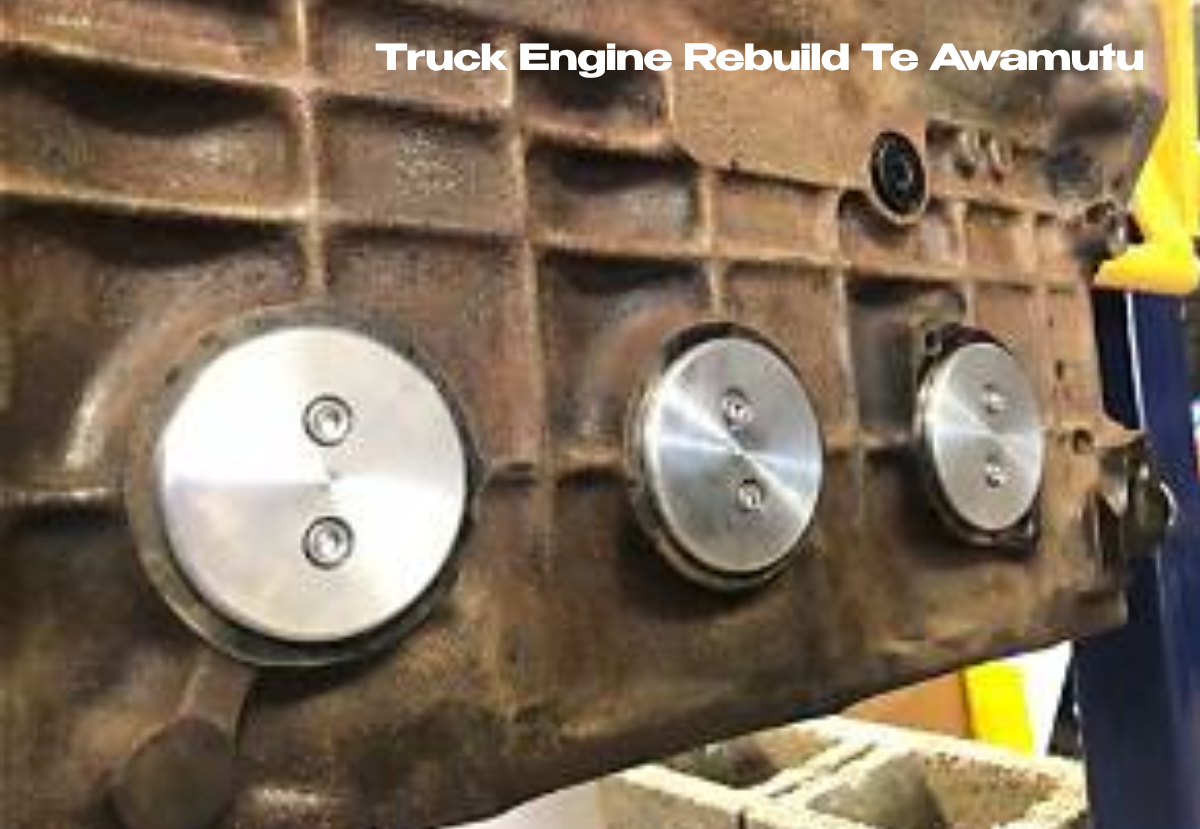
A truck engine rebuild involves dismantling the engine, inspecting its internal components, repairing or replacing worn parts, and reassembling it to restore reliable operation. Because heavy-duty engines work under significant loads, rebuilding requires careful measurement, proper machining, quality components, and experienced technicians.
This guide explains how truck engine rebuilds work, the signs that indicate a rebuild may be needed, what the process involves, how a rebuild compares with engine replacement, and what questions to ask a workshop before approving the work.
Table of Contents
What Is a Truck Engine Rebuild?
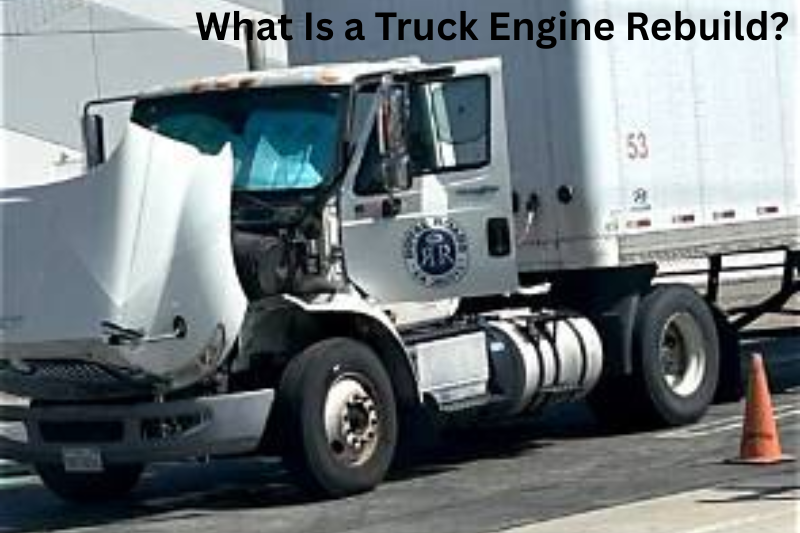
A truck engine rebuild is a major mechanical repair in which an engine is removed or dismantled so its internal components can be inspected and restored.
Depending on the engine’s condition, a rebuild may involve:
- Removing and dismantling the engine
- Cleaning internal components
- Measuring cylinders and other critical surfaces
- Inspecting pistons, rings, bearings, and connecting rods
- Checking the crankshaft and camshaft
- Inspecting the cylinder head and valves
- Replacing damaged or worn components
- Replacing seals and gaskets
- Checking the lubrication and cooling systems
- Reassembling the engine
- Testing the engine after installation
Not every rebuild requires replacing every component. A professional assessment should determine which parts are still serviceable and which need repair or replacement.
When Does a Truck Need an Engine Rebuild?
Engine problems do not automatically mean that a rebuild is required. Some symptoms can be caused by relatively simple faults, such as a fuel-system problem, turbocharger issue, cooling-system fault, or sensor failure.
However, several warning signs can justify a detailed engine inspection.
Excessive Oil Consumption
If an engine is consistently consuming more oil than expected, worn piston rings, cylinder wear, valve-related problems, leaks, or other internal issues may be involved.
Oil consumption should be investigated rather than simply topping up the oil repeatedly.
Loss of Engine Power
A noticeable reduction in pulling power can have many causes. Fuel delivery, air intake, turbocharging, exhaust restrictions, and electronic systems should be checked before assuming that the engine needs rebuilding.
If testing reveals significant internal wear, however, an engine rebuild may become a suitable solution.
Excessive Exhaust Smoke
Changes in exhaust smoke can provide useful clues about engine condition.
Possible causes include:
- Oil entering the combustion chamber
- Poor fuel combustion
- Injector problems
- Turbocharger faults
- Cooling-system problems
Smoke colour alone should not be used to diagnose an engine. Proper testing is necessary.
Low Compression
Low compression can indicate problems involving cylinders, piston rings, valves, or other internal components. A compression test, leak-down test, or other diagnostic procedure can help determine whether internal engine work is necessary.
Knocking or Unusual Engine Noise
Persistent knocking, tapping, rumbling, or other abnormal sounds should be investigated quickly.
Continuing to operate a truck with a serious internal engine problem can potentially turn a repairable fault into much more extensive damage.
Repeated Overheating
Repeated overheating can damage components such as the cylinder head, head gasket, pistons, and other engine parts.
Before rebuilding an overheated engine, technicians should identify why the overheating occurred. Otherwise, the same problem could damage the rebuilt engine.
What Does a Truck Engine Rebuild Involve?
A proper rebuild is more than simply replacing a few worn components. The engine should be systematically inspected so the cause and extent of wear are understood.
1. Initial Diagnosis
The workshop first investigates the truck’s symptoms and service history.
Depending on the problem, technicians may perform:
- Computer diagnostics
- Compression testing
- Oil-pressure testing
- Cooling-system checks
- Visual inspection
- Smoke assessment
- Noise diagnosis
- Other engine-specific tests
This stage helps determine whether the engine actually needs to be dismantled.
2. Engine Removal and Dismantling
If internal damage is suspected, the engine may be removed from the truck and carefully dismantled.
Components are labelled, cleaned, and inspected so the technician can identify abnormal wear or damage.
3. Measurement and Inspection
Accurate measurements are critical.
Technicians may inspect:
- Cylinder bores
- Crankshaft journals
- Bearing surfaces
- Pistons
- Piston rings
- Connecting rods
- Camshaft
- Cylinder head
- Valves and valve seats
- Oil passages
Machining or component replacement can then be recommended according to the engine’s actual condition.
4. Machining and Component Replacement
Some engine components may require machining, while others may need replacement.
Depending on the engine, work may include cylinder honing or boring, crankshaft machining, valve work, replacement of bearings and piston rings, or installation of replacement pistons.
The exact work should be based on inspection and manufacturer specifications rather than a generic rebuild package.
5. Reassembly
The engine is reassembled using appropriate components, seals, gaskets, and torque specifications.
Correct assembly is essential because small errors in clearances, lubrication, timing, or torque can cause major problems after the engine returns to service.
6. Testing and Installation
After assembly, the engine should be tested according to appropriate workshop procedures.
The truck may then undergo additional checks after installation to confirm that the engine is operating correctly and that related systems are functioning properly.
Rebuild vs. Engine Replacement: Which Is Better?
A rebuild is not always the best option. In some cases, replacing the engine may be more practical.
| Consideration | Engine Rebuild | Engine Replacement |
|---|---|---|
| Existing engine | Retained and restored | Replaced |
| Internal damage | Potentially repairable | May be too extensive |
| Vehicle compatibility | Existing engine remains | Replacement must be compatible |
| Downtime | Depends on parts and machining | Depends on replacement availability |
| Long-term suitability | Depends on rebuild quality | Depends on replacement engine |
| Decision | Based on inspection | Based on availability, condition, and cost |
A workshop should compare both options when appropriate. The cheapest initial option is not necessarily the most economical over the truck’s remaining working life.
Benefits of a Professional Truck Engine Rebuild

When rebuilding is technically and economically appropriate, it can offer several advantages.
Extends the Useful Life of the Truck
Restoring worn engine components can allow an otherwise suitable truck to continue working rather than requiring immediate vehicle replacement.
Addresses Internal Wear
A rebuild provides an opportunity to inspect and restore components that cannot be properly evaluated through routine servicing alone.
Can Restore Engine Performance
If internal wear is responsible for poor compression, oil consumption, or reduced performance, correcting the underlying problems can improve engine operation.
Helps Prevent Repeat Failures
A quality rebuild should investigate why components failed or wore excessively. Addressing contributing issues can reduce the risk of repeating the same failure.
How Much Does a Truck Engine Rebuild Cost?
There is no reliable single price for a truck engine rebuild because the final cost depends heavily on the engine and the damage discovered after dismantling.
Factors that can affect the total include:
- Engine make and model
- Engine size and configuration
- Extent of internal damage
- Machining requirements
- Replacement parts
- Labour
- Cylinder head condition
- Crankshaft condition
- Turbocharger condition
- Fuel-system repairs
- Cooling-system repairs
- Availability of components
- Additional faults discovered during inspection
A sensible workshop should explain what is included in the estimate and identify work that may only be determined after the engine has been opened.
You may also like to read these posts:
Truck Engine Rebuild Te Awamutu: Complete Guide for Truck Owners
Engine Reconditioners Te Awamutu
Truck Brake Repairs Te Awamutu
Truck brake service te awamutu
Questions to Ask Before Choosing a Workshop
Before approving a major engine rebuild, ask the workshop for clear information about the job.
Useful questions include:
- What tests show that the engine needs rebuilding?
- Which components are expected to be replaced?
- Will the engine be measured and inspected before final parts are ordered?
- What machining work may be required?
- Are parts new, remanufactured, or reused?
- What warranty applies to the rebuild?
- What additional work could increase the final cost?
- How will the rebuilt engine be tested?
- What running-in or post-rebuild procedure is recommended?
- What maintenance should be performed after the rebuild?
Clear answers can help you compare workshops based on workmanship and transparency rather than price alone.
Why Proper Diagnostics Matter Before a Rebuild
One of the biggest mistakes is assuming that every major engine symptom requires an engine rebuild.
For example, low power could be caused by a fuel injector, turbocharger, air restriction, exhaust issue, electronic fault, or internal engine wear.
Likewise, excessive smoke does not automatically prove that the piston rings are worn.
Professional diagnostics can help determine whether the problem is:
- Internal engine wear
- Fuel-system related
- Turbocharger related
- Cooling-system related
- Lubrication related
- Electrical or electronic
- Caused by another connected component
This can prevent unnecessary engine disassembly and help ensure that the actual cause of the problem is addressed.
How to Protect a Rebuilt Truck Engine
Once an engine has been rebuilt, proper maintenance becomes especially important.
Follow the Recommended Service Schedule
Keep up with oil, filters, coolant, and other maintenance specified for the truck and engine.
Use Suitable Engine Oil
Use the oil specification recommended for the particular engine rather than selecting oil solely based on viscosity.
Monitor Fluid Levels
Regularly check engine oil and coolant levels and investigate unexplained losses.
Watch for Early Warning Signs
Pay attention to changes in:
- Oil consumption
- Engine temperature
- Exhaust smoke
- Engine noise
- Power
- Starting behaviour
- Oil pressure
- Coolant condition
Avoid Ignoring Warning Lights
Dashboard warnings can indicate problems that should be investigated before they become serious.
Keep Maintenance Records
Good service records make it easier to monitor the engine’s condition and can help technicians diagnose future problems.
Common Mistakes Truck Owners Should Avoid
A few decisions can make an engine rebuild more complicated or expensive than necessary.
Waiting Until the Engine Fails Completely
Operating a truck despite serious warning signs can increase the extent of damage.
Choosing a Workshop Only Because It Is Cheap
A low quote may not include all necessary machining, parts, testing, or related repairs.
Replacing Parts Without Finding the Cause
If the reason for the original failure is not corrected, replacement components may suffer the same problem.
Ignoring Related Systems
An engine rebuild may not solve problems caused by the cooling, fuel, lubrication, intake, exhaust, or electrical systems.
Failing to Ask About Warranty
Before work begins, understand what the workshop’s warranty covers and what conditions apply.
Finding a Truck Engine Rebuild Service in Te Awamutu
If you are searching for a truck engine rebuild Te Awamutu service, look for a workshop with experience in heavy-duty diesel engines and commercial vehicles.
Consider:
- Experience with your engine or truck type
- Diagnostic capabilities
- Engine machining arrangements or facilities
- Quality of replacement components
- Clear written estimates
- Warranty terms
- Communication during the rebuild
- Testing procedures
- Availability of ongoing servicing
For a working truck, communication is particularly important because downtime can affect deliveries, schedules, and business operations.
Frequently Asked Questions
How do I know if my truck engine needs a rebuild?
Symptoms such as persistent oil consumption, low compression, severe internal noises, major power loss, or repeated engine problems may indicate internal wear. However, proper diagnostic testing should confirm the cause before rebuilding.
Is rebuilding a truck engine better than replacing it?
Not necessarily. The right choice depends on the engine’s condition, vehicle value, replacement-engine availability, compatibility, downtime, and expected future use. A professional inspection can help compare the options.
How long does a truck engine rebuild take?
The timeframe varies according to engine type, damage, parts availability, machining requirements, and workshop workload. A reliable workshop should provide a realistic timeframe after assessing the engine.
Can a rebuilt engine perform like a replacement engine?
A properly rebuilt engine can provide reliable service, but its performance and longevity depend on the quality of the inspection, machining, components, assembly, installation, and maintenance.
Should I rebuild an engine that has overheated?
It depends on the extent and cause of the overheating damage. The cylinder head, head gasket, cooling system, and internal components should be inspected before deciding whether rebuilding is appropriate.
What should I do if my truck is losing power?
Do not immediately assume that the engine needs rebuilding. Have the fuel, air intake, turbocharger, exhaust, electronic systems, and internal engine condition checked to identify the actual cause.
Conclusion
A truck engine rebuild is a significant repair, but it can be a practical way to restore an engine when internal wear or damage makes continued operation unreliable. The key is to diagnose the problem accurately, inspect the engine thoroughly, use appropriate components and machining, and address the cause of the original failure.
If you are researching truck engine rebuild Te Awamutu, compare workshops based on heavy-duty experience, diagnostic ability, rebuild quality, warranty, communication, and overall value rather than choosing solely on the lowest estimate. A careful rebuild combined with consistent maintenance can help keep a working truck dependable for the road ahead.

14 Comments
Pingback: Truck Brake Repairs Te Awamutu | Heavy Vehicle Service
Pingback: truck brake service te awamutu | Heavy Truck Brake Care
Pingback: Truck Electrical Repairs Te Awamutu | Expert Service
Pingback: Engine Reconditioners Te Awamutu | Engine Rebuilds
Pingback: Truck Clutch Repair Te Awamutu | Reliable Truck Service
Pingback: Truck Transmission Repairs Te Awamutu - Truck Mechanic Te Awamutu
Pingback: Truck Auto Electrician Te Awamutu | Expert Help
Pingback: Truck and 2 Men Te Awamutu – Reliable Truck Servicing and Roadside Support
Pingback: Truck Accident Te Awamutu – Safety, Prevention and Professional Support
Pingback: Truck Steering Repairs Te Awamutu | Expert Service
Pingback: Truck Fleet Maintenance Te Awamutu | Reliable Care
Pingback: Fleet Servicing Te Awamutu | Reliable Fleet Maintenance
Pingback: Truck and Trailer Repairs Te Awamutu | Reliable Service
Pingback: Commercial Truck Mechanic Te Awamutu | Truck Repairs