

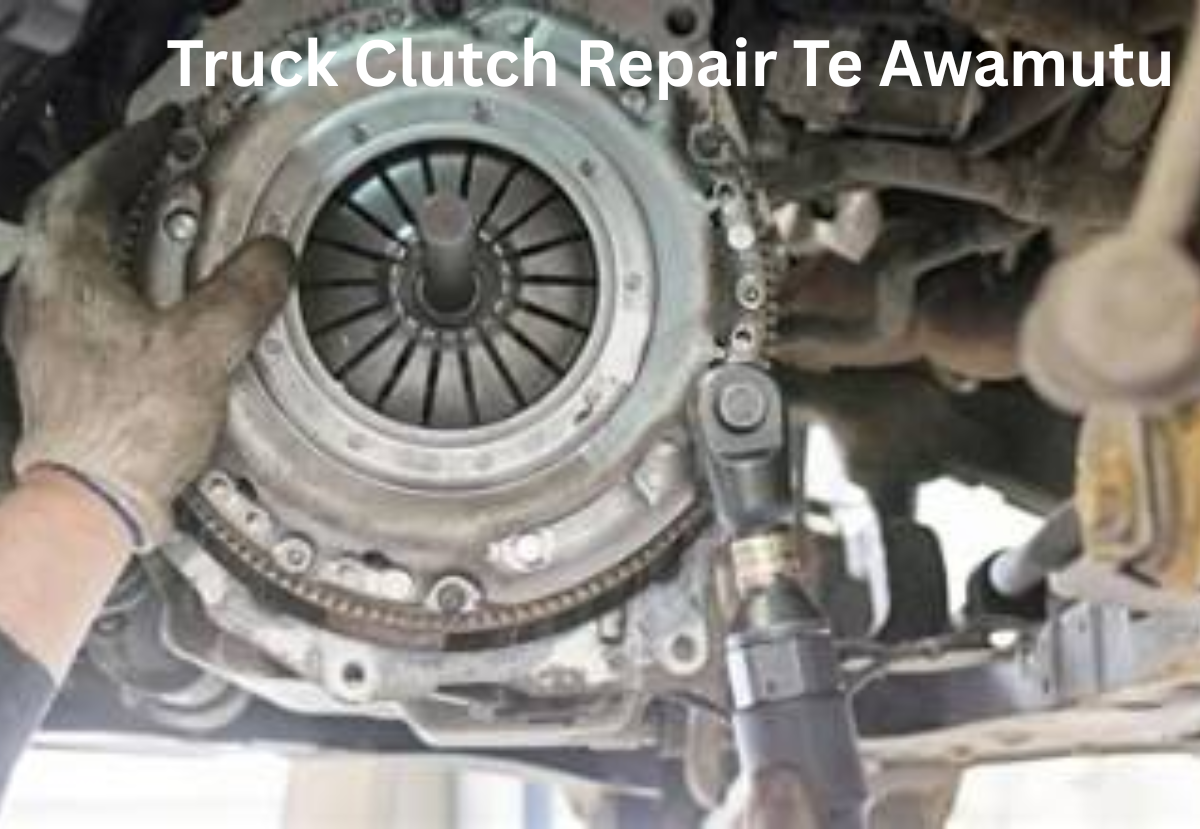
A truck clutch works hard every day, especially when a vehicle regularly carries heavy loads, operates in stop-start traffic, or travels long distances. When clutch problems begin, shifting can become difficult, power delivery may suffer, and continuing to drive can turn a manageable fault into a more expensive repair. If you need truck clutch repair te awamutu, understanding the warning signs and available repair options can help you act before the problem affects your work.
Truck clutch systems are more demanding than those found in many passenger vehicles. They need to transfer substantial engine torque while allowing the driver to engage and disengage the transmission smoothly. A professional inspection can identify whether the issue involves the clutch disc, pressure plate, release bearing, hydraulic system, clutch adjustment, or another related component.
Table of Contents
What Does a Truck Clutch Do?
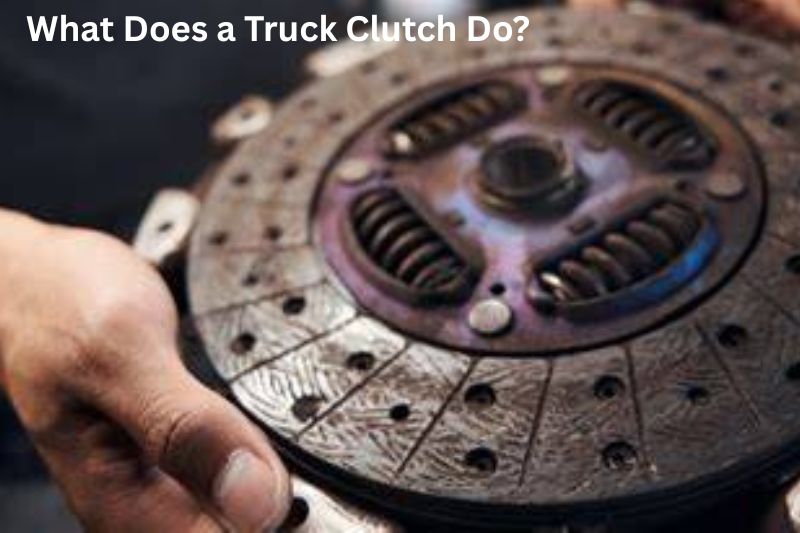
The clutch provides a controlled connection between the engine and transmission.
When the clutch pedal is released, the clutch engages and transfers engine power through the transmission to the drivetrain. Pressing the pedal disengages the clutch, allowing the driver to change gears without keeping the engine mechanically connected to the transmission.
A properly functioning clutch should allow:
- Smooth gear changes
- Controlled vehicle take-off
- Efficient transfer of engine power
- Reduced shock through the drivetrain
- Predictable clutch-pedal operation
Because trucks can carry significant loads, the clutch is exposed to considerable heat, friction, and mechanical stress.
Signs Your Truck May Need Clutch Repairs
Clutch problems rarely appear without warning. Recognising early symptoms can help prevent further damage.
Clutch Slipping
A slipping clutch occurs when engine speed rises without a corresponding increase in vehicle speed. You may notice the engine revving higher when accelerating, particularly while carrying a heavy load or travelling uphill.
Possible causes include:
- A worn clutch disc
- Contaminated friction surfaces
- A weakened pressure plate
- Incorrect clutch adjustment
- Other related mechanical problems
Difficulty Changing Gears
If gears are becoming difficult to select, the clutch may not be disengaging correctly. However, gear-selection problems can also originate in the transmission or linkage, so proper diagnosis is important.
Grinding During Gear Changes
Grinding noises when selecting gears can indicate that the clutch is not fully disengaging. Continuing to operate the truck with this symptom may place additional stress on transmission components.
Unusual Clutch Pedal Feel
Pay attention if the clutch pedal suddenly feels:
- Very heavy
- Unusually light
- Spongy
- Sticky
- Difficult to return
- Different from its normal position
A change in pedal behaviour can point to a clutch, hydraulic, linkage, or release-system problem.
Shuddering or Juddering
If the truck shakes or vibrates when pulling away, the clutch may not be engaging smoothly. A worn or damaged clutch assembly can contribute to this problem, although other drivetrain faults can produce similar symptoms.
Burning Smell
A strong burning smell after repeated clutch use can indicate excessive clutch friction or overheating. This is particularly concerning if it occurs regularly during normal operation.
Poor Power Transfer
A truck that struggles to transfer engine power to the wheels may have a clutch problem. Reduced performance under load can be a useful warning sign, especially if it occurs alongside clutch slipping.
Common Causes of Truck Clutch Problems
Several factors can contribute to premature clutch wear or failure.
Normal Wear
Clutch friction components gradually wear through normal use. The rate of wear depends on vehicle operation, load, driving conditions, and maintenance.
Heavy Loads
Frequent operation under heavy loads puts additional demands on the clutch. Starting on inclines or repeatedly manoeuvring heavy vehicles can increase clutch stress.
Stop-Start Driving
Frequent clutch engagement and disengagement creates additional friction and heat. Urban delivery work can therefore be demanding on clutch components.
Incorrect Clutch Adjustment
On systems that require adjustment, incorrect settings can affect clutch engagement and release. Proper adjustment should be carried out according to the vehicle manufacturer’s requirements.
Hydraulic Problems
Some truck clutch systems use hydraulic components to operate the clutch. A leak, damaged component, or other hydraulic fault can prevent the clutch from operating correctly.
Contamination
Oil or other fluid contamination on clutch friction surfaces can cause slipping or inconsistent engagement. Finding and correcting the source of contamination is important rather than simply replacing the clutch.
Worn Supporting Components
The clutch does not work in isolation. Release bearings, actuating components, flywheel surfaces, linkage, and related parts can all affect clutch performance.
What Is Included in Truck Clutch Repair?
The exact repair depends on the diagnosis and condition of the clutch system.
A professional truck clutch service may involve:
- Initial inspection – The technician discusses symptoms and checks the clutch operation.
- Fault diagnosis – The clutch system and related components are assessed to identify the source of the problem.
- Component inspection – Relevant parts are checked for wear, damage, contamination, or abnormal operation.
- Clutch adjustment or repair – Where appropriate, the system may be adjusted or individual components repaired.
- Clutch replacement – Severely worn or damaged components may need replacement.
- Related component checks – The flywheel, release mechanism, hydraulics, and other associated parts may be inspected.
- Operational testing – The vehicle is checked to confirm that clutch operation and gear engagement are functioning as expected.
Not every clutch fault requires a complete clutch replacement. A proper diagnosis helps determine the appropriate solution.
Clutch Repair vs Clutch Replacement

Repair and replacement are not always the same thing.
| Option | When It May Be Appropriate |
|---|---|
| Adjustment | When clutch operation is affected by incorrect adjustment |
| Hydraulic repair | When a hydraulic component or connection is causing the problem |
| Component replacement | When a specific clutch-related part has failed |
| Complete clutch replacement | When major friction components are worn or damaged |
The best option depends on the truck, clutch design, symptoms, component condition, and manufacturer’s specifications.
Why Professional Truck Clutch Diagnosis Matters
It can be tempting to replace the most obvious component when a clutch begins behaving differently. However, similar symptoms can be caused by different faults.
For example, difficult gear changes might involve the clutch release mechanism, hydraulics, linkage, or transmission rather than simply a worn clutch disc.
Professional diagnosis can help:
- Identify the actual source of the fault
- Avoid unnecessary parts replacement
- Detect related problems
- Reduce the risk of repeat repairs
- Get the truck back into service efficiently
For commercial operators, accurate diagnosis is especially valuable because unnecessary downtime can interfere with deliveries, schedules, and business operations.
What Happens During a Truck Clutch Inspection?
A technician will generally begin by asking about the symptoms and how the truck is being used.
Useful information includes:
- When the problem first appeared
- Whether it occurs when the truck is loaded or unloaded
- Whether the clutch slips under acceleration
- Whether gears grind or are difficult to select
- Whether the pedal feels different
- Whether unusual noises or smells are present
- Whether the truck has recently undergone related repairs
The technician can then inspect the clutch system and related components. Depending on the truck and suspected fault, further testing may be required before deciding whether adjustment, repair, or replacement is appropriate.
How to Reduce Premature Clutch Wear
Good operating habits can help protect a truck clutch.
Avoid Excessive Clutch Slipping
Holding the clutch in a partially engaged position creates friction and heat. Use the clutch as intended rather than unnecessarily riding the pedal.
Use the Correct Gear
Selecting an appropriate gear for the road, load, and operating conditions can reduce unnecessary clutch strain.
Avoid Unnecessary High-Load Manoeuvring
Repeatedly using the clutch to control a heavily loaded truck at low speed can generate significant heat.
Address Symptoms Early
A clutch that is slipping, grinding, shuddering, or behaving differently should be inspected rather than ignored.
Follow the Maintenance Schedule
Use the truck manufacturer’s recommended inspection and maintenance procedures. Fleet vehicles may also benefit from consistent maintenance records so developing problems can be identified early.
You can also like to read these posts:
Truck Engine Rebuild Te Awamutu: Complete Guide for Truck Owners
Engine Reconditioners Te Awamutu
Truck Brake Repairs Te Awamutu
Truck brake service te awamutu
Truck Electrical Repairs Te Awamutu: A Practical Guide for Truck Owners
How Much Does Truck Clutch Repair Cost?
There is no single price for truck clutch repair because the total cost depends on the vehicle and the fault.
Factors that can influence the final repair cost include:
- Truck make and model
- Clutch system design
- Extent of component wear
- Parts required
- Labour involved
- Flywheel or related component condition
- Whether additional faults are discovered
- Accessibility of the clutch assembly
The most useful approach is to have the truck properly inspected and request a clear estimate before approving major work.
When Should You Stop Driving a Truck With Clutch Problems?
Some clutch symptoms may allow limited operation, while others can indicate a serious safety or mechanical concern.
Consider stopping operation and arranging professional assistance if:
- The clutch suddenly stops working correctly
- You cannot reliably select gears
- The truck has severe clutch slipping
- There is a strong burning smell
- The clutch pedal becomes extremely difficult to operate
- The vehicle cannot transfer power normally
- The truck develops severe or rapidly worsening symptoms
Driving a commercial vehicle with a significant mechanical fault can increase the risk of further damage and unexpected breakdown.
Choosing a Truck Clutch Repair Service in Te Awamutu
When comparing providers, don’t focus only on the advertised price. Look for a workshop or technician that understands heavy vehicles and can diagnose the complete clutch system.
Consider asking:
- Do you regularly work on trucks and heavy vehicles?
- Can you diagnose the cause before recommending replacement?
- What components will be inspected?
- Will you provide a clear estimate?
- Are replacement parts suitable for the vehicle?
- What warranty or workmanship terms apply?
- Can you explain what caused the clutch problem?
- What other components should be checked while the clutch is being serviced?
A provider that communicates clearly and takes a diagnostic approach can make the repair process much easier.
Preparing Your Truck for Clutch Service
Before taking the truck in, gather useful information about its symptoms and operating history.
Make a note of:
- Mileage or operating hours, where applicable
- Recent maintenance work
- Previous clutch repairs
- When the symptoms occur
- Whether the truck was loaded when the problem appeared
- Any unusual noises, smells, or vibrations
This information can help the technician understand the problem more quickly.
Frequently Asked Questions
How do I know if my truck clutch is worn?
Common warning signs include clutch slipping, difficulty changing gears, grinding, shuddering when taking off, unusual pedal feel, and a burning smell. These symptoms can have multiple causes, so inspection is recommended before assuming the clutch itself needs replacement.
Can a truck clutch be repaired instead of replaced?
Yes, depending on the fault. Some problems may involve adjustment, hydraulics, linkage, or individual components. If the main friction components are significantly worn or damaged, replacement may be more appropriate.
How long does a truck clutch last?
There is no universal service life. Clutch lifespan depends on the truck, load, driving conditions, operator technique, maintenance, and the type of work the vehicle performs.
Can a slipping clutch damage other truck components?
Continued operation with a slipping clutch can create excessive heat and may contribute to additional component wear or damage. Having the problem assessed early is generally preferable to continuing to operate the truck until the clutch fails completely.
Should the flywheel be checked during clutch replacement?
Yes. The flywheel is part of the clutch interface and should be inspected when clutch components are being serviced. Its condition can affect the performance and service life of the replacement clutch.
Is truck clutch repair different from car clutch repair?
The basic operating principle is similar, but truck clutch systems are designed to handle the higher loads and torque associated with heavy vehicles. The components, servicing requirements, and repair procedures can therefore differ considerably.
Conclusion
A clutch problem can quickly become a major inconvenience when a truck is essential for daily work. Recognising symptoms such as slipping, difficult gear changes, shuddering, unusual pedal behaviour, and burning smells gives you an opportunity to arrange an inspection before the fault becomes more serious. If you’re looking for truck clutch repair te awamutu, choose a qualified heavy-vehicle service provider that can diagnose the complete system, explain the repair options clearly, and help get your truck operating reliably again.
