

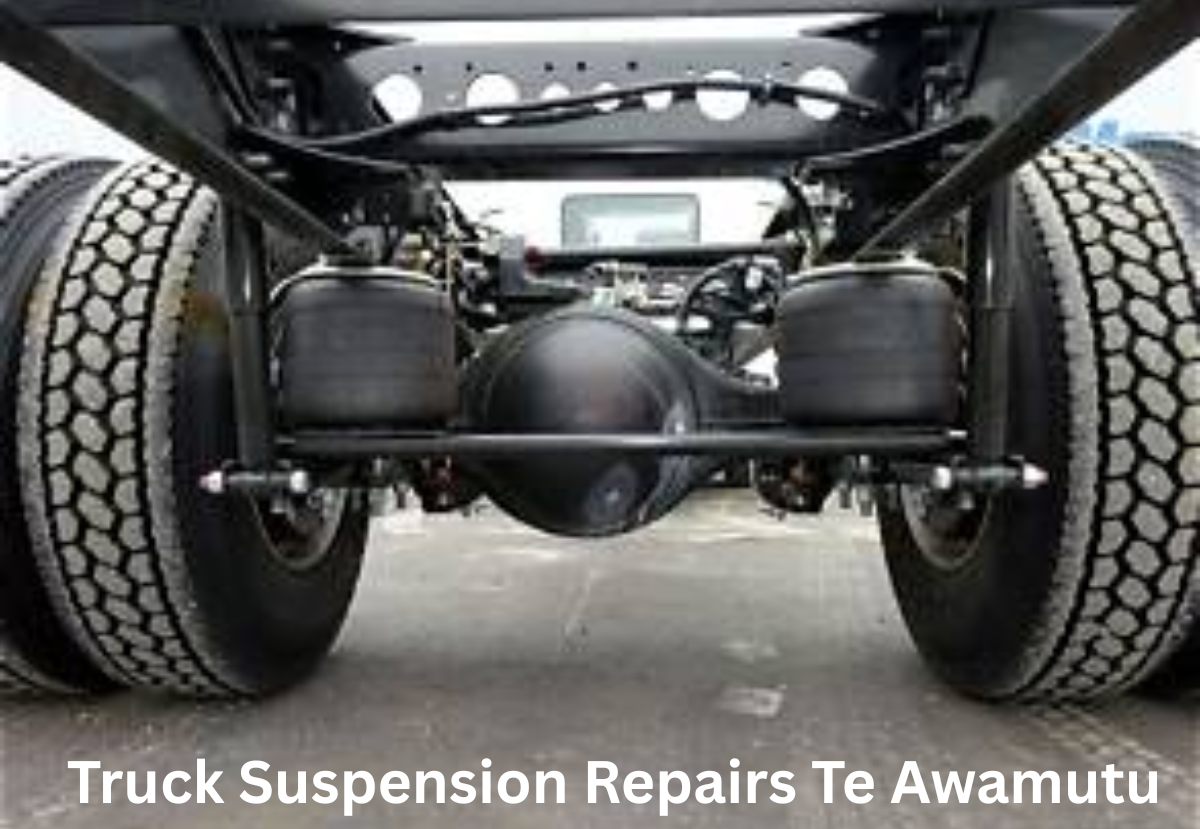
When a heavy vehicle starts bouncing excessively, pulling to one side, wearing tyres unevenly, or feeling unstable under load, the suspension may need attention. Truck suspension repairs Te Awamutu can help identify and correct problems before they develop into more expensive mechanical issues or affect vehicle handling. For trucks used for deliveries, construction, agriculture, freight, or regular regional travel, a properly maintained suspension system is important for stability, ride quality, tyre contact, and safe operation.
Truck suspension systems work under significant loads and are exposed to uneven roads, heavy cargo, frequent braking, vibration, and long operating hours. Components such as springs, shock absorbers, bushes, suspension arms, air springs, mounts, and related hardware can gradually wear or become damaged.
This guide explains common truck suspension problems, warning signs, repair considerations, maintenance practices, and how to choose a suitable heavy vehicle repair service in and around Te Awamutu.
Table of Contents
What Does a Truck Suspension System Do?

A truck suspension system connects the vehicle’s wheels and axles to the chassis while helping the vehicle handle changes in road surface and load.
Its main functions include:
- Supporting the truck and its cargo
- Helping keep tyres in contact with the road
- Controlling excessive body movement
- Absorbing road impacts and vibration
- Improving steering and handling
- Helping maintain vehicle stability
- Reducing stress on other vehicle components
A suspension system that is worn or damaged can affect more than ride comfort. It may also influence braking performance, steering response, tyre wear, and the truck’s ability to remain stable when carrying heavy loads.
Common Truck Suspension Problems
Heavy trucks can develop different suspension faults depending on their age, operating conditions, load patterns, and maintenance history.
Worn or Broken Leaf Springs
Leaf springs are commonly used on heavy vehicles to support substantial loads. They can develop cracks, become damaged, lose their effectiveness, or suffer from worn mounting components.
Possible warning signs include:
- Uneven ride height
- Excessive movement over bumps
- Visible cracks or damage
- Unusual noises around the suspension
- One side of the vehicle sitting lower than the other
A damaged spring should not be ignored, particularly when the truck regularly carries heavy cargo.
Damaged Shock Absorbers
Shock absorbers control suspension movement after the truck encounters bumps and uneven surfaces.
When they become worn, you may notice:
- Excessive bouncing
- Increased body movement
- Poor control on uneven roads
- Uneven tyre wear
- Fluid leakage around the shock absorber
Replacing worn shock absorbers can restore better control over suspension movement.
Worn Suspension Bushes
Bushes help isolate vibration and allow suspension components to move in a controlled way.
Over time, rubber or other bush materials can deteriorate. Worn bushes may cause:
- Clunking or knocking sounds
- Excessive movement
- Steering or handling changes
- Uneven tyre wear
- Increased vibration
The correct repair depends on which bushes have deteriorated and whether surrounding components have also been affected.
Air Suspension Faults
Some trucks use air suspension rather than conventional mechanical spring arrangements.
Air suspension problems may involve:
- Air leaks
- Damaged air springs
- Faulty valves
- Compressor-related issues
- Height-control problems
- Damaged air lines or fittings
A truck that sits unusually low or develops an uneven ride height may require an inspection of its air suspension system.
Suspension Mount and Hardware Problems
Bolts, brackets, mounts, U-bolts, and other hardware can experience wear, looseness, corrosion, or damage.
These components are important because they secure major suspension parts to the vehicle. A problem with mounting hardware can cause movement, noise, or instability and should be professionally assessed.
Warning Signs Your Truck Suspension Needs Attention
Suspension problems are not always obvious at first. Knowing the early warning signs can help you arrange an inspection before the problem becomes more serious.
Look out for:
- The truck bouncing more than usual
- Excessive body roll
- Uneven ride height
- Knocking, clunking, or squeaking sounds
- Steering that feels different
- The vehicle pulling to one side
- Uneven or abnormal tyre wear
- Visible spring or suspension damage
- Air suspension losing height
- Increased vibration through the cab
- Reduced stability when carrying a load
If a suspension component appears broken or the truck becomes difficult to control, avoid continuing to operate it unnecessarily. A qualified heavy vehicle technician should assess the problem.
Why Suspension Repairs Matter for Heavy Trucks
A truck’s suspension has to cope with much more demanding conditions than many passenger vehicles.
A commercial truck may spend long periods carrying heavy loads and travelling over roads with potholes, rough surfaces, uneven patches, and frequent changes in road conditions.
A healthy suspension system can help provide:
Better Vehicle Stability
Suspension components contribute to how the truck behaves while cornering, braking, accelerating, and travelling over uneven surfaces.
Improved Tyre Contact
The suspension helps the wheels follow the road surface. Faults can contribute to abnormal tyre wear and changes in handling.
Greater Driving Comfort
A functioning suspension system reduces unnecessary impacts and vibration reaching the vehicle and cab.
Protection for Other Components
Excessive vibration and uncontrolled suspension movement can place additional stress on components throughout the vehicle.
More Predictable Handling Under Load
Heavy cargo changes how a truck behaves. The suspension must be capable of supporting the vehicle correctly and maintaining appropriate stability.
What Is Included in a Truck Suspension Inspection?
A professional inspection should look beyond the most obvious symptom.
Depending on the truck and suspension design, a technician may examine:
- Leaf or coil springs
- Shock absorbers
- Air springs
- Suspension bushes
- Suspension arms
- Mounting brackets
- U-bolts and fasteners
- Air lines and fittings
- Ride height
- Wheel and tyre condition
- Signs of uneven loading or component movement
The technician may also ask about when the symptoms occur. For example, a knocking sound over bumps can point toward a different area than a truck that consistently sits lower on one side.
How Truck Suspension Repairs Are Diagnosed
Accurate diagnosis is important because several suspension faults can produce similar symptoms.
A typical repair process may involve:
- Discussing the symptoms
The technician asks when the problem occurs and whether the truck is loaded or unloaded when the symptoms appear. - Visual inspection
Suspension components are checked for visible damage, wear, leaks, cracks, or movement. - Checking related components
Tyres, wheels, mounts, and other nearby components may also be inspected. - Assessing ride height and movement
Uneven ride height or abnormal suspension movement can provide useful diagnostic clues. - Identifying the underlying fault
The technician determines whether the issue is related to a spring, shock absorber, bush, air suspension component, mounting hardware, or another part of the system. - Repair or replacement
Damaged or worn components are repaired or replaced as appropriate. - Final checks
The vehicle should be checked again to ensure the repaired suspension is functioning correctly.
Mechanical Suspension vs Air Suspension
Different trucks use different suspension designs, so repair requirements can vary.
| Suspension Type | Common Components | Potential Issues |
|---|---|---|
| Leaf spring | Leaf springs, bushes, mounts, U-bolts | Broken springs, worn bushes, loose hardware |
| Air suspension | Air springs, valves, lines, compressor-related components | Air leaks, damaged bags, height-control faults |
| Coil spring | Coil springs, dampers, mounts | Broken or weakened springs, worn mounts |
| Heavy-duty mixed systems | Combination of mechanical and air components | Component wear, mounting and air-system faults |
The correct repair approach depends on the truck’s make, model, axle configuration, suspension design, and operating requirements.
Truck Suspension Repairs for Different Types of Vehicles

Suspension needs can vary significantly between different commercial vehicles.
Freight and Delivery Trucks
These vehicles may spend long hours on the road and frequently carry changing loads. Suspension inspections can help identify wear before it affects day-to-day operations.
Heavy Rigid Trucks
Heavy rigid trucks place substantial demands on springs, suspension mounts, axles, and related components. Repairs should take the vehicle’s operating weight and working conditions into account.
Construction Trucks
Construction vehicles can experience particularly harsh conditions, including rough access roads, uneven surfaces, dust, and heavy payloads.
Agricultural Trucks
Agricultural vehicles may operate on a combination of sealed roads, rural roads, yards, and uneven surfaces. Suspension components can therefore experience considerable vibration and impact.
Trailers and Semi-Trailers
Trailer suspension should not be overlooked. A problem with a trailer suspension system can affect tyre wear, stability, load distribution, and overall combination-vehicle behaviour.
Suspension Problems and Uneven Tyre Wear
Uneven tyre wear is sometimes treated as a tyre problem when the underlying cause may be related to suspension or alignment.
For example, abnormal suspension movement or worn components can alter how a wheel interacts with the road.
If tyres are wearing unevenly, a proper inspection should consider:
- Suspension condition
- Wheel alignment
- Tyre pressures
- Wheel and axle condition
- Bushes and mounting components
- Load distribution
Replacing tyres without investigating the underlying cause may not solve the problem.
How Heavy Loads Affect Truck Suspension
Truck suspension is designed to support specific vehicle and load requirements, but operating conditions still matter.
Repeatedly carrying heavy loads can increase stress on suspension components. Poor load distribution can also affect how the vehicle sits and behaves.
For fleet operators, it is useful to monitor:
- Typical payloads
- Load distribution
- Ride height
- Tyre wear
- Suspension noises
- Changes in vehicle handling
- Repair history
If the truck is regularly operating under demanding conditions, scheduled inspections can help identify developing problems earlier.
You may also like to read these posts:
Truck Engine Rebuild Te Awamutu: Complete Guide for Truck Owners
Engine Reconditioners Te Awamutu
Truck Brake Repairs Te Awamutu
Truck brake service te awamutu
Truck Electrical Repairs Te Awamutu: A Practical Guide for Truck Owners
When Should You Get a Suspension Inspection?
Do not wait for a major failure before checking the suspension.
Arrange an inspection when you notice a new or worsening symptom such as unusual bouncing, abnormal tyre wear, suspension noise, uneven ride height, or changes in handling.
An inspection is also sensible when:
- A truck has experienced a significant impact
- A suspension component has visibly shifted or broken
- The vehicle regularly carries heavy loads
- New tyres show unexpected wear
- An air suspension system repeatedly loses pressure
- The truck has developed persistent vibration
- Suspension components have reached the end of their expected service condition
The exact inspection interval should follow the truck manufacturer’s maintenance requirements and the vehicle’s operating conditions.
Choosing a Truck Suspension Repair Service in Te Awamutu
If you need truck suspension repairs Te Awamutu, choosing the right repair provider is important.
Look for a workshop or heavy vehicle technician that understands commercial vehicles and can diagnose the actual cause of the problem rather than simply replacing the first component that appears worn.
Consider the following:
Heavy Vehicle Experience
Ask whether the technician regularly works on trucks and commercial vehicles similar to yours.
Diagnostic Approach
A good repair process should identify the underlying cause before recommending parts or repairs.
Suitable Equipment
Heavy trucks require appropriate lifting, inspection, and repair equipment. Ask whether the workshop is equipped for your vehicle type.
Clear Communication
The provider should explain what was found, what needs attention, and which repairs are recommended.
Maintenance Advice
A useful repair service should also help you understand how to reduce future suspension problems through appropriate inspections and maintenance.
Questions to Ask Before Approving Repairs
Before authorising suspension work, you can ask:
- What component has failed or worn?
- What caused the problem?
- Is the vehicle safe to continue operating?
- Does the affected component need repair or replacement?
- Are any related parts also worn?
- Will the suspension need further inspection after the repair?
- Are there any maintenance issues I should monitor?
- What information should be recorded for future servicing?
Clear answers can help you make a better repair decision and understand the condition of your truck.
Preventive Maintenance Tips for Truck Suspension
Preventive maintenance can help identify problems before they become major failures.
Check for Visible Damage
During routine checks, look for cracked springs, damaged air bags, leaking components, loose hardware, or other obvious problems.
Pay Attention to New Noises
A new clunk, knock, squeak, or unusual vibration should not automatically be dismissed as normal truck noise.
Monitor Tyre Wear
Uneven tyre wear can provide an early indication of suspension, alignment, tyre pressure, or loading issues.
Keep the Truck Properly Loaded
Avoid inappropriate load distribution and follow the vehicle’s specified operating requirements.
Follow the Service Schedule
Use the manufacturer’s maintenance recommendations and adjust inspections when the truck operates in particularly demanding conditions.
Repair Small Problems Promptly
A worn bush or damaged mounting component can place additional stress on surrounding parts. Early diagnosis may help prevent a wider repair problem.
Can You Drive a Truck With a Suspension Problem?
It depends on the fault.
A minor symptom may require prompt inspection, while a broken spring, serious air suspension failure, loose suspension hardware, or major handling problem may make continued operation unsafe.
If the truck is leaning significantly, behaving unpredictably, making severe suspension noises, or has visible structural damage, do not take unnecessary risks. Have the vehicle assessed by a qualified heavy vehicle professional.
What Affects the Cost of Suspension Repairs?
The final repair cost depends on the specific fault and the vehicle involved, so a reliable price should be based on inspection rather than a generic figure.
Factors can include:
- Truck make and model
- Suspension design
- Number of damaged components
- Parts required
- Labour involved
- Accessibility of components
- Whether related components also need attention
- Whether additional diagnostic work is required
For an accurate estimate, provide the technician with the truck’s details and explain the symptoms as clearly as possible.
A Simple Suspension Problem Checklist
Before contacting a repair workshop, make a note of:
- When the problem started
- Whether it happens loaded, unloaded, or both
- Any unusual sounds
- Changes in steering or handling
- Uneven ride height
- Visible leaks or damage
- Recent heavy loads or impacts
- Changes in tyre wear
- Any previous suspension repairs
This information can make diagnosis more efficient.
Frequently Asked Questions
What are the most common signs of truck suspension failure?
Common signs include excessive bouncing, unusual suspension noises, uneven ride height, abnormal tyre wear, increased vibration, air suspension problems, and changes in handling or stability.
How often should truck suspension be checked?
There is no single interval suitable for every truck. Inspection requirements depend on the vehicle manufacturer’s recommendations, operating conditions, mileage, loads, and vehicle type. Routine checks should also be carried out whenever new symptoms appear.
Can worn shock absorbers affect truck handling?
Yes. Shock absorbers help control suspension movement. If they are worn, the vehicle may experience excessive bouncing or body movement and may feel less controlled over uneven surfaces.
Why is my truck sitting lower on one side?
Possible causes include a damaged or weakened spring, an air suspension fault, a problem with suspension mounting components, or another issue affecting ride height. A proper inspection is needed to identify the cause.
Should trailer suspension be inspected too?
Yes. Trailer suspension is an important part of the overall combination vehicle. Problems can contribute to abnormal tyre wear, uneven ride height, and changes in stability.
Can uneven tyre wear be caused by suspension problems?
It can be. Suspension faults may contribute to abnormal tyre wear, although alignment, tyre pressure, wheel condition, and loading can also be responsible. A complete inspection can help identify the cause.
How long do truck suspension components last?
There is no universal lifespan. Component life depends on the truck design, operating conditions, load, road surfaces, maintenance, and component quality. Regular inspection is more useful than relying on a fixed replacement age.
How do I find the right truck suspension repairer in Te Awamutu?
Look for a provider with relevant heavy vehicle experience, appropriate equipment, a diagnostic approach, clear communication, and a good understanding of commercial truck suspension systems. Ask for an inspection and a clear explanation of the recommended repairs.
Conclusion
A well-maintained suspension system supports truck stability, handling, tyre performance, ride quality, and dependable operation. Warning signs such as uneven ride height, excessive bouncing, unusual noises, air leaks, abnormal tyre wear, or changes in handling should be investigated rather than ignored. If you need truck suspension repairs Te Awamutu, choose a qualified heavy vehicle repair provider that can inspect the complete suspension system, identify the underlying fault, and recommend appropriate repairs. Prompt attention and regular maintenance can help keep your truck operating safely and reliably on local and regional roads.
