

Introduction
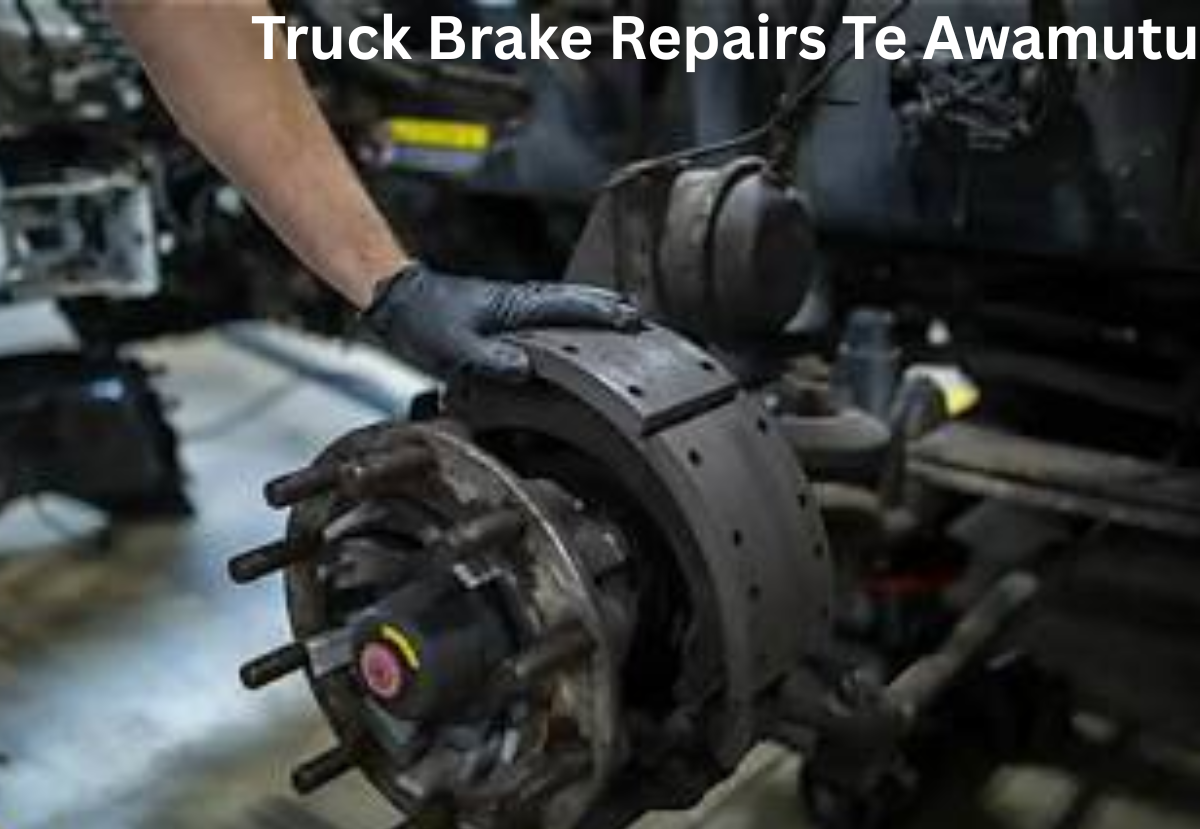
Reliable brakes are essential for every truck, especially heavy vehicles that regularly carry substantial loads or travel long distances. If you are searching for truck brake repairs te awamutu, the priority should be finding a qualified heavy-vehicle technician who can accurately diagnose the problem and repair the braking system properly.
Truck brakes operate under much greater demands than many passenger vehicle braking systems. Air brake components, brake chambers, discs or drums, ABS components, hoses, valves, and other parts all need to work together correctly. Regular inspections and prompt repairs can help identify worn components before they become a serious safety issue.
This guide explains common truck brake problems, the services a professional workshop may provide, warning signs that should not be ignored, and practical maintenance tips for truck owners and fleet operators in Te Awamutu.
Table of Contents
Why Proper Truck Brake Maintenance Matters

A truck’s braking system has to control a heavy vehicle safely in different driving conditions. Frequent stopping, steep roads, heavy loads, towing, and extended operation can place significant stress on brake components.
Regular brake maintenance can help:
- Identify worn components early
- Maintain reliable braking performance
- Reduce the likelihood of unexpected breakdowns
- Detect air leaks and other system faults
- Protect related braking components from excessive wear
- Keep trucks operating safely
- Reduce avoidable downtime for commercial vehicles
Brake servicing should not be treated as something to arrange only after a problem becomes obvious. Preventive inspections are particularly useful for trucks that operate frequently or carry heavy loads.
Common Truck Brake Repair Services
The exact repair required depends on the truck, braking system, component condition, and underlying fault. A professional heavy-vehicle workshop may inspect several parts before recommending repairs.
Brake Pad and Lining Replacement
Brake pads and brake linings gradually wear as the vehicle is used. Once they become excessively worn, braking performance can be affected and other components may also suffer unnecessary wear.
Technicians can inspect the remaining friction material and determine whether replacement is required.
Brake Disc and Drum Inspection
Disc and drum brakes need to remain within appropriate operating specifications. Excessive wear, damage, contamination, or other faults can affect braking performance.
A brake inspection may include checking discs, drums, friction surfaces, and associated hardware for signs of wear or damage.
Air Brake Repairs
Many heavy trucks use compressed-air braking systems. These systems contain components such as compressors, reservoirs, valves, hoses, brake chambers, and air lines.
Possible air brake problems include:
- Air leaks
- Damaged hoses or lines
- Faulty valves
- Brake chamber problems
- Compressor issues
- Abnormal pressure loss
- Problems with air reservoirs or associated components
An air leak should not be ignored because it can affect the operation of the braking system.
Brake Chamber Inspection and Replacement
Brake chambers convert air pressure into mechanical movement that operates the brakes. A damaged or malfunctioning chamber can affect braking performance.
A technician can inspect the chamber and related components to determine whether adjustment, repair, or replacement is appropriate.
ABS Diagnostics and Repairs
Modern trucks may use anti-lock braking systems and electronic components to help manage braking during hard stops.
Warning lights or electronic fault codes can indicate a problem with the ABS system. Professional diagnostic equipment can help identify the source of the fault instead of relying on guesswork.
Brake Hose and Line Inspection
Brake hoses and air lines can deteriorate, become damaged, leak, or develop connection problems. During a brake inspection, technicians can check accessible lines and connections for visible damage and other signs of trouble.
Warning Signs Your Truck May Need Brake Repairs
Truck drivers and operators should pay attention to changes in braking behaviour. Some problems are obvious, while others develop gradually.
Look out for:
- Longer stopping distances
- Unusual grinding, squealing, or scraping sounds
- A brake warning light
- Pulling to one side during braking
- Reduced braking response
- Air pressure dropping unexpectedly
- Excessive brake pedal travel where applicable
- Vibrations during braking
- Uneven brake or component wear
- Burning smells around the braking system
- Visible damage or air leaks
If braking performance changes suddenly, the vehicle should be assessed promptly rather than continuing normal operation and hoping the problem disappears.
What Can Cause Truck Brake Problems?
Brake problems can develop for several reasons. Some are related to normal wear, while others result from incorrect adjustment, damaged components, contamination, poor maintenance, or problems elsewhere in the braking system.
Common causes include:
Normal Component Wear
Friction materials and other braking components wear as a truck accumulates kilometres and operating hours. Heavy use can accelerate this process.
Heavy Loads and Frequent Braking
Repeated braking while carrying heavy loads generates considerable heat and places additional demand on braking components.
Air System Leaks
Leaks in an air brake system can interfere with proper pressure and may indicate damaged hoses, fittings, valves, or other components.
Poor Adjustment or Maintenance
A braking system that is not maintained or adjusted according to the vehicle’s requirements may not perform as intended.
Electrical or Electronic Faults
ABS and other electronically monitored systems can develop sensor, wiring, or control-related faults that require diagnostic testing.
What Happens During a Professional Truck Brake Inspection?
A proper inspection should go beyond simply looking at one brake component.
Depending on the truck and braking system, a technician may assess:
- Brake friction components – Checking pads or linings for wear and damage.
- Discs or drums – Looking for excessive wear, damage, or other abnormalities.
- Air system components – Checking for leaks and potential pressure-related problems.
- Brake chambers and hardware – Inspecting components responsible for applying the brakes.
- Hoses and lines – Looking for deterioration, damage, and leakage.
- ABS components – Checking warning lights, sensors, wiring, and diagnostic information where applicable.
- Related components – Examining other parts that may influence braking performance.
- Overall brake operation – Assessing the system after repairs or adjustments as appropriate.
The inspection process can help distinguish between a worn consumable component and a larger system problem.
Choosing a Truck Brake Repair Workshop in Te Awamutu
Not every automotive workshop has the same equipment or experience with heavy commercial vehicles. When comparing truck brake repair providers, consider whether the workshop is equipped and experienced for the type of truck you operate.
Look for Heavy-Vehicle Experience
Ask whether the technicians regularly work on trucks and other heavy vehicles. Familiarity with commercial braking systems can be important when diagnosing complex faults.
Ask About Diagnostic Equipment
Modern trucks can include electronic braking and safety systems. A workshop with suitable diagnostic equipment can investigate electronic faults more efficiently.
Check What Services Are Available
If your truck requires more than a basic brake repair, it can be convenient to use a workshop that can also inspect related systems such as suspension, steering, tyres, electrical systems, and diesel engine components.
Request a Clear Explanation
A good repair process should make it reasonably clear:
- What problem was identified
- Which components require attention
- What work is recommended
- Whether additional problems were discovered
- Which repairs are urgent and which can be scheduled
This makes it easier for truck owners and fleet managers to make informed maintenance decisions.
Preventive Truck Brake Maintenance Tips
Regular maintenance can help detect problems before they become major repairs.
Follow the Vehicle’s Maintenance Requirements
Use the truck manufacturer’s recommended maintenance schedule as a starting point. The appropriate inspection interval can vary depending on the truck, braking system, operating conditions, and usage.
Check for Changes in Braking Performance
Drivers are often the first people to notice unusual braking behaviour. Encourage drivers to report changes immediately rather than waiting for the next scheduled service.
Inspect Air Systems Regularly
For trucks equipped with air brakes, routine checks for leaks and abnormal pressure behaviour can help identify developing problems.
Avoid Ignoring Warning Lights
Electronic warning lights can provide an early indication that a monitored system needs attention. Have unexplained warning lights investigated rather than simply resetting them.
Keep Maintenance Records
For commercial vehicles and fleets, maintaining clear service records can help track recurring issues, component replacement, inspections, and upcoming maintenance requirements.
Emergency Truck Brake Problems
A brake fault is different from many ordinary mechanical problems because it directly concerns vehicle control and road safety.
If you notice a major loss of braking performance, a significant air-pressure problem, severe brake noise, or another serious braking fault, avoid treating the issue as a routine service matter.
The safest approach is to stop operating the vehicle when it is unsafe to continue and arrange appropriate professional assistance. A qualified technician can determine whether the truck can be safely repaired and returned to service.
You may also like to read these posts:
Truck Engine Rebuild Te Awamutu: Complete Guide for Truck Owners
Engine Reconditioners Te Awamutu
Truck Brake Repairs Te Awamutu
Truck brake service te awamutu
How Regular Brake Repairs Can Reduce Downtime
For transport businesses, an unexpected truck failure can interfere with deliveries, schedules, and other operations. Preventive maintenance can help identify worn or damaged components before they develop into larger failures.
A planned approach may include:
- Routine brake inspections
- Driver-reported defect checks
- Scheduled servicing
- Timely replacement of worn components
- Diagnostic testing when warning lights appear
- Keeping maintenance records
- Addressing recurring faults rather than repeatedly treating symptoms
The goal is not simply to repair brakes when they fail. It is to keep the braking system in dependable condition throughout the vehicle’s working life.
Truck Brake Repairs vs. Routine Brake Maintenance
These terms are related but serve different purposes.
| Truck Brake Repairs | Routine Brake Maintenance |
|---|---|
| Fixes an identified fault | Helps identify potential faults early |
| Often follows a symptom or inspection finding | Takes place according to a maintenance schedule |
| May involve replacing damaged components | May involve inspection, cleaning, adjustment, or testing |
| Can be urgent when braking is affected | Is generally planned in advance |
| Restores proper operation after a problem | Helps maintain reliable operation |
Both are important. Preventive maintenance does not eliminate the possibility of repairs, but it can help identify problems earlier.
Questions to Ask Before Booking a Truck Brake Repair
Before arranging service, truck owners or fleet managers can ask:
- Does the workshop service heavy commercial vehicles?
- Can the technicians diagnose air brake faults?
- Can they inspect ABS-related problems where applicable?
- What symptoms should I describe when booking?
- Will the technician explain the recommended repairs?
- Can the workshop inspect related braking components?
- Are repairs and maintenance available for the type of truck I operate?
Providing details about the truck, its symptoms, recent maintenance, and operating conditions can help the workshop prepare for the inspection.
Frequently Asked Questions
How often should truck brakes be inspected?
There is no single interval that applies to every truck. Inspection requirements depend on the vehicle, braking system, manufacturer recommendations, operating conditions, load, and usage. Follow the appropriate maintenance schedule and arrange an inspection sooner if braking behaviour changes.
What are the most common signs of truck brake problems?
Longer stopping distances, unusual noises, pulling during braking, warning lights, reduced braking response, air-pressure problems, vibration, and visible component damage can all indicate that an inspection is needed.
Can a truck brake problem be caused by an air leak?
Yes. Air brake systems depend on compressed air, so leaks or faults in hoses, lines, valves, chambers, or other components can affect system operation. A qualified technician should investigate suspected leaks.
Can ABS faults affect truck braking?
An ABS fault may affect the operation of the anti-lock braking function or trigger a warning indicator. The exact effect depends on the vehicle and the nature of the fault, so professional diagnosis is recommended.
Should I continue driving if my truck brakes are making unusual noises?
Unusual brake noises should not be ignored, particularly if they are accompanied by reduced braking performance, vibration, warning lights, or other changes. Have the braking system inspected as soon as it is safe to do so.
Are truck brake repairs different from car brake repairs?
Yes. Heavy trucks can use different braking configurations and additional components, including air brake systems and heavy-duty braking hardware. They also operate under substantially different loads and conditions, so suitable heavy-vehicle knowledge and equipment are important.
Final Conclusion
A dependable braking system is one of the most important parts of a working truck. Regular inspections, prompt diagnosis, and appropriate component replacement can help maintain safe and reliable vehicle operation while reducing avoidable downtime. If your truck is showing signs of brake trouble, professional truck brake repairs te awamutu can help identify the underlying problem and get the vehicle back into proper working condition.
Suggested URL Slug: truck-brake-repairs-te-awamutu

6 Comments
Pingback: Truck Engine Rebuild Te Awamutu | Expert Guide
Pingback: Engine Reconditioners Te Awamutu | Engine Rebuilds
Pingback: Truck Electrical Repairs Te Awamutu | Expert Service
Pingback: Truck Suspension Repairs Te Awamutu | Expert Guide
Pingback: Truck Steering Repairs Te Awamutu | Expert Service
Pingback: Commercial Truck Mechanic Te Awamutu | Truck Repairs