


When a diesel vehicle starts losing power, becomes difficult to start, produces unusual smoke, or displays a warning light, finding the real cause quickly matters. Diesel diagnostics Te Awamutu services can help identify faults before a small mechanical or electrical issue develops into a more expensive repair.
Modern diesel engines rely on electronic control systems, sensors, fuel systems, turbochargers, emissions equipment, and mechanical components working together. A proper diagnostic check looks beyond the warning light and helps determine what is actually causing the problem.
Whether you operate a diesel car, ute, van, truck, tractor, or other commercial vehicle, accurate fault diagnosis can make repairs more efficient and reduce unnecessary parts replacement.
Table of Contents
What Are Diesel Diagnostics?
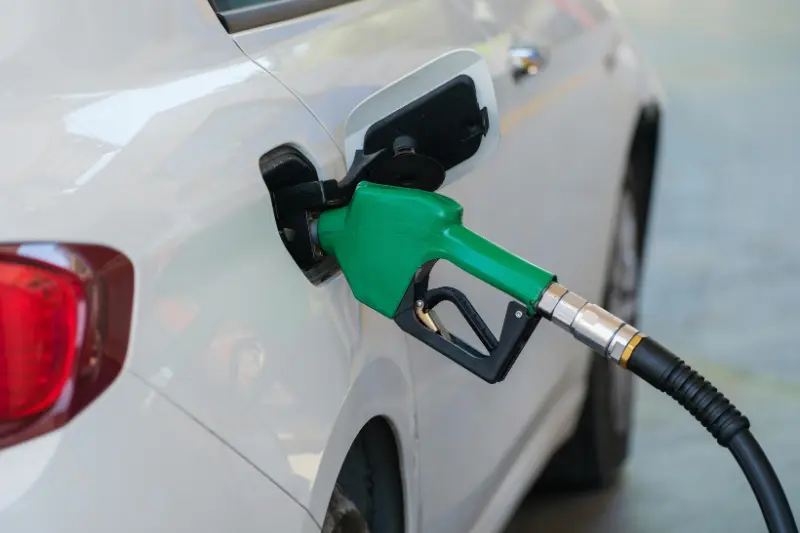
Diesel diagnostics is the process of testing a diesel engine and its related systems to identify faults.
A mechanic may combine electronic scan-tool testing with physical inspections and mechanical tests. Reading a fault code is only one part of the process. The code can point toward an affected system, but additional testing is often needed to establish the underlying cause.
Depending on the vehicle and symptoms, diagnostics may involve checking:
- Engine control modules
- Fuel injection systems
- Fuel pressure
- Turbocharger operation
- Boost pressure
- Air intake systems
- Exhaust systems
- Sensors and wiring
- Battery and charging systems
- Cooling systems
- Diesel particulate filters
- Exhaust gas recirculation systems
- Transmission-related faults
When Should You Get a Diesel Diagnostic Check?
You do not always need to wait for a vehicle to stop running before arranging diagnostics.
A diagnostic inspection can be worthwhile when you notice a change in how the vehicle starts, drives, or performs.
Common warning signs include:
- Check-engine or engine warning light
- Reduced engine power
- Poor acceleration
- Difficult starting
- Excessive or unusual exhaust smoke
- Rough or uneven engine operation
- Increased fuel consumption
- Engine hesitation
- Turbocharger problems
- Limp mode
- Frequent regeneration problems
- Unusual engine noises
- Stalling
- Overheating
- Electrical warning messages
If the vehicle has suddenly entered limp mode or developed a serious loss of power, continuing to drive may not be appropriate. The safest option depends on the vehicle, fault, and operating conditions.
How Diesel Diagnostics Works
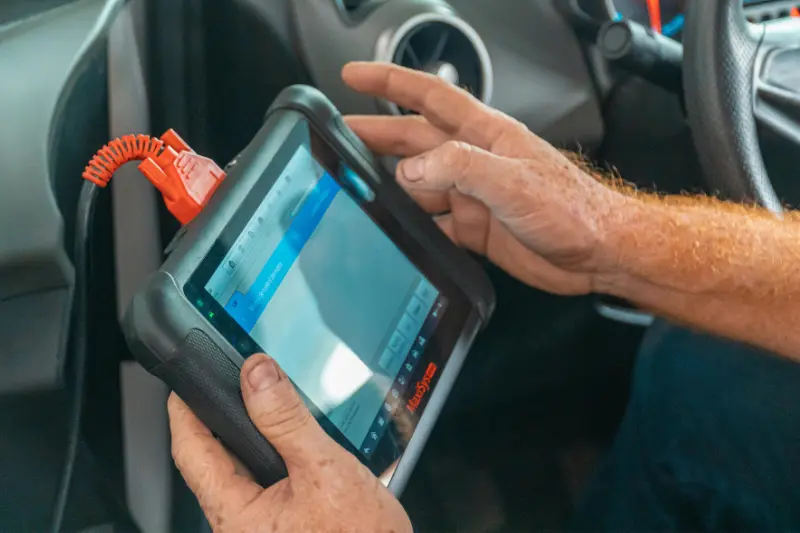
A professional diagnostic process generally involves more than plugging in a scan tool.
1. Discuss the Symptoms
The mechanic first needs to understand what has changed.
Useful information includes:
- When the problem started
- Whether it happens when the engine is cold or hot
- Whether the issue occurs under load
- Any recent repairs or servicing
- Warning lights or dashboard messages
- Changes in fuel consumption
- Unusual noises, smells, or smoke
These details can help narrow the diagnostic process.
2. Perform a Visual Inspection
Before electronic testing, a mechanic may inspect the engine bay and surrounding components for obvious problems.
This can reveal issues such as damaged wiring, loose hoses, leaking fluids, damaged connectors, or signs of poor previous repairs.
3. Scan the Vehicle’s Electronic Systems
A suitable diagnostic scanner can communicate with the vehicle’s electronic control modules and retrieve stored or active fault information.
Depending on the vehicle, diagnostic information may relate to the engine, transmission, emissions systems, or other electronic components.
4. Check Live Data
Live data can provide information about how sensors and systems are operating while the engine is running.
For example, a mechanic may compare expected and actual readings to determine whether a sensor, fuel system, air system, or boost system is behaving correctly.
5. Carry Out Further Testing
If the scan identifies a possible problem, additional testing may be necessary.
This could include:
- Fuel pressure testing
- Electrical testing
- Compression testing
- Boost or intake-system testing
- Sensor testing
- Battery and charging-system checks
- Inspection of hoses and connections
- Exhaust-system checks
The objective is to identify the underlying fault rather than simply replacing the component associated with a fault code.
You may also like to read this:
Roadside Truck Mechanic Te Awamutu | Truck Help
Truck Breakdown Repair Te Awamutu | Fast Roadside Help
Truck Breakdown Service Te Awamutu | Roadside Help
Emergency Truck Mechanic Te Awamutu | 24/7 Help
Truck Diagnostics Te Awamutu | Find Truck Faults Fast
Common Diesel Problems Diagnostics Can Help Identify
Diesel engines can develop problems across several systems.
Fuel System Problems
Fuel delivery is critical to diesel engine performance. Problems with fuel pressure, injectors, filters, pumps, or contaminated fuel can cause starting difficulties, poor performance, rough running, or stalling.
Turbocharger and Boost Issues
A diesel engine that suddenly loses power may have a problem involving the turbocharger or boost system.
Possible causes can include damaged hoses, boost leaks, actuator problems, sensor faults, or turbocharger-related issues.
Sensor and Electrical Faults
Modern diesel engines depend on numerous electronic sensors. Faulty sensors, damaged wiring, poor connections, or voltage problems can affect engine operation.
A diagnostic scan can help identify abnormal readings, but electrical testing may still be required to locate the actual fault.
DPF and Emissions Problems
Diesel vehicles equipped with emissions-control systems can experience issues involving the diesel particulate filter (DPF), exhaust gas recirculation (EGR), sensors, or related components.
Warning lights, reduced power, repeated regeneration problems, or increased fuel consumption can indicate that further investigation is needed.
Starting Problems
If a diesel engine cranks but does not start, the cause could involve fuel delivery, electrical supply, sensors, glow-plug systems, engine timing, or other mechanical issues.
Proper diagnostics helps narrow down the possibilities instead of relying on guesswork.
Why Accurate Diesel Fault Finding Matters
Replacing parts without confirming the cause can become expensive quickly.
For example, a fault code associated with a particular sensor does not necessarily mean that the sensor itself has failed. The problem could instead involve wiring, a connector, a related component, or an abnormal operating condition.
A structured diagnostic process can help you:
- Identify the likely cause of a fault
- Avoid unnecessary parts replacement
- Understand what repairs may be required
- Reduce diagnostic guesswork
- Find problems earlier
- Make better repair decisions
- Minimise vehicle downtime where possible
Diesel Diagnostics for Trucks and Commercial Vehicles
For trucks and other commercial diesel vehicles, downtime can affect deliveries, schedules, and business operations.
A diagnostic service may be used when a heavy vehicle develops:
- Loss of engine power
- Starting problems
- Warning lights
- Transmission faults
- Fuel-system issues
- Turbocharger problems
- Emissions-system warnings
- Limp-mode operation
- Unusual engine behaviour
For commercial operators, keeping maintenance and diagnostic records can also help identify recurring problems and support preventative maintenance planning.
Mobile Diesel Diagnostics in Te Awamutu
A mobile diagnostic service can be particularly useful when a diesel vehicle cannot easily be driven to a workshop.
Depending on the service provider and vehicle, a mechanic may be able to attend a suitable location and assess the vehicle on-site.
This can be useful for:
- Vehicles that will not start
- Work vehicles experiencing faults at a job site
- Trucks with sudden warning lights
- Fleet vehicles requiring on-site fault checks
- Vehicles experiencing loss of power
Before arranging mobile diagnostics, provide as much information as possible about the vehicle and its symptoms. This helps the mechanic understand what equipment and tools may be required.
What Information Should You Give the Mechanic?
Good information can make the diagnostic process more efficient.
When contacting a diesel mechanic, provide:
- Vehicle make and model
- Engine type, if known
- Approximate vehicle year
- Current symptoms
- Dashboard warning lights
- Whether the vehicle starts
- Whether the problem occurs constantly or intermittently
- Any recent repairs or servicing
- Any diagnostic codes already retrieved
If possible, take a photo of warning messages on the dashboard. For intermittent faults, note when the problem occurs, such as during cold starts, acceleration, hill climbing, or heavy loads.
Diagnostics vs. Regular Servicing
Diagnostics and servicing are related but serve different purposes.
| Diagnostics | Regular Servicing |
| Investigates a known problem | Maintains the vehicle |
| Focuses on symptoms and faults | Follows scheduled maintenance |
| May involve electronic scanning | Includes routine inspections |
| Identifies possible causes | Helps prevent avoidable wear |
| Often starts after a warning sign | Usually performed at planned intervals |
A vehicle can be serviced regularly and still require diagnostic testing when a new fault develops.
How to Choose a Diesel Diagnostic Service in Te Awamutu
If you need a diesel diagnostic service, consider more than whether the provider owns a scan tool.
Look for a mechanic who can:
- Work with your type of diesel vehicle
- Explain diagnostic findings clearly
- Perform additional testing when necessary
- Distinguish symptoms from root causes
- Work on both electronic and mechanical systems
- Provide a clear explanation before major repairs
- Offer mobile assistance if your vehicle cannot be driven
For trucks, heavy equipment, or specialised diesel vehicles, ask whether the mechanic has appropriate experience and diagnostic equipment for that type of vehicle.
What to Do Before Calling a Mechanic
A few simple steps can help you communicate the problem clearly.
Record the Warning Signs
Write down warning lights, dashboard messages, unusual noises, smoke, and performance changes.
Avoid Unnecessary Driving
If the vehicle has a serious loss of power, overheating, major fluid leak, severe engine noise, or another potentially dangerous fault, avoid continuing to drive it until it has been assessed.
Do Not Clear Fault Codes Without a Reason
Clearing codes can remove useful diagnostic information. If a warning light has appeared, tell the mechanic what happened before attempting to reset anything.
Gather Vehicle Information
Have the registration, make, model, engine information, and recent service history available when requesting assistance.
FAQs: Diesel Diagnostics Te Awamutu
What does a diesel diagnostic test check?
It can check electronic fault codes, sensor information, engine-management systems, and other vehicle systems. Depending on the symptoms, further mechanical, electrical, fuel, or boost testing may also be required.
Can diagnostics find a diesel engine problem?
Diagnostics can help identify faults and narrow down their causes, but not every mechanical problem can be confirmed through electronic scanning alone. Additional testing may be necessary.
Can a diesel diagnostic scan fix the problem?
No. A scan helps identify potential faults. The actual repair may involve replacing, repairing, adjusting, cleaning, or testing a component after the cause has been confirmed.
Why is my diesel vehicle losing power?
Possible causes include fuel-system problems, turbocharger or boost issues, air-intake restrictions, sensor faults, exhaust restrictions, emissions-system problems, or other mechanical and electrical faults. Proper testing is needed to determine the cause.
Conclusion
A diesel fault can originate from the fuel system, electrical components, sensors, turbocharger, emissions equipment, or mechanical parts, so guessing at the repair can waste time and money. Professional diesel diagnostics Te Awamutu services can help identify the underlying problem through electronic scanning, inspection, and appropriate follow-up testing.
If your diesel vehicle is showing warning lights, losing power, struggling to start, or behaving differently, getting the fault investigated early can help you make a more informed repair decision.
