

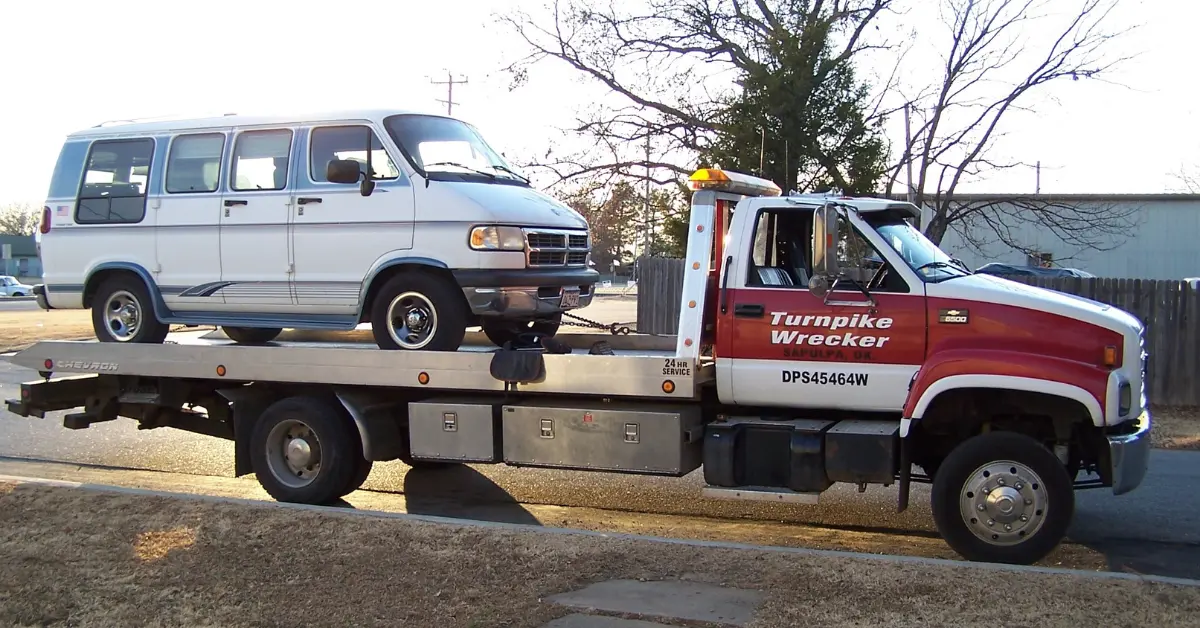
A truck breakdown can quickly turn into a major problem when you’re carrying a load, working to a delivery schedule, or travelling between towns. A dependable truck breakdown service te awamutu can provide practical roadside assistance, fault diagnosis, and suitable on-site repairs to help get your vehicle moving again.
Whether your truck has an engine problem, electrical fault, flat battery, brake issue, cooling-system failure, or another mechanical fault, getting the right help quickly can reduce unnecessary downtime. The key is knowing what to do when a breakdown occurs and choosing a technician who understands commercial and heavy vehicles.
Table of Contents
What Is a Truck Breakdown Service?

A truck breakdown service provides assistance when a commercial truck, diesel vehicle, trailer, or other heavy vehicle becomes unsafe or unable to continue its journey.
Depending on the fault and available equipment, roadside assistance may involve:
- Initial fault diagnosis
- Electrical testing
- Battery and starting-system checks
- Diesel engine troubleshooting
- Brake-system inspection
- Cooling-system checks
- Fuel-system diagnosis
- Air-system inspection
- Minor mechanical repairs
- Replacement of suitable components
- Arranging towing or workshop repairs when an on-site repair is not practical
The purpose is not simply to get the truck started. A proper breakdown assessment should also determine whether the vehicle is safe to continue operating.
Why Fast Truck Breakdown Assistance Matters
A broken-down truck can affect much more than the vehicle itself. It may delay deliveries, interrupt construction work, leave a driver waiting on the roadside, or create problems for an entire fleet.
Prompt assistance can help you:
- Identify the cause of the breakdown
- Determine whether the truck can be repaired on-site
- Reduce unnecessary waiting time
- Avoid arranging towing when a suitable roadside repair is possible
- Protect the truck from further damage
- Get a clear idea of the next repair step
For businesses that rely on trucks every day, reducing avoidable downtime is particularly important.
Common Truck Problems That Require Roadside Assistance

Not every breakdown has the same cause. Some faults are relatively straightforward, while others require workshop equipment or specialist repairs.
Engine Problems
Diesel engines can experience problems such as:
- Difficulty starting
- Loss of power
- Excessive smoke
- Overheating
- Unusual engine noises
- Warning lights
- Poor engine performance
A technician can inspect the symptoms, carry out appropriate diagnostic checks, and determine whether the problem can be addressed at the breakdown location.
Battery and Starting Problems
A weak or failed battery can leave a truck unable to start.
Possible causes include:
- Low battery charge
- Battery failure
- Starter motor problems
- Alternator faults
- Damaged battery connections
- Electrical drain
Testing the complete starting and charging system is important because replacing a battery alone may not solve the underlying problem.
Electrical Faults
Modern trucks rely on electrical and electronic systems for starting, engine management, lighting, sensors, and other functions.
Roadside electrical diagnostics may help identify:
- Wiring problems
- Blown fuses
- Sensor faults
- Starter issues
- Alternator problems
- Lighting failures
- Charging-system faults
Brake Problems
Brake faults should always be treated seriously. If the truck develops unusual braking behaviour, warning indicators, air-pressure problems, or another brake-related issue, the vehicle should be assessed before continuing.
A qualified heavy-vehicle technician can inspect the relevant components and determine whether roadside repair is appropriate.
Cooling-System Failures
Overheating can become a serious engine problem if the vehicle continues operating.
Possible causes include:
- Coolant leaks
- Damaged hoses
- Radiator problems
- Cooling-fan faults
- Thermostat issues
- Low coolant levels
If the temperature rises significantly, stop in a safe location and allow the engine to cool rather than continuing to drive and risking further damage.
Fuel and Diesel-System Problems
A diesel truck may stop because of fuel-related issues such as contaminated fuel, fuel-delivery problems, blocked filters, or other faults within the fuel system.
A proper diagnosis is important before replacing components unnecessarily.
You may also like to read this:
Mobile Diesel Mechanic Te Awamutu | On-Site Repairs
Mobile Diesel Repairs Te Awamutu | On-Site Service
On Site Truck Mechanic Te Awamutu | Mobile Repairs
Roadside Truck Mechanic Te Awamutu | Truck Help
Truck Breakdown Repair Te Awamutu | Fast Roadside Help
Mobile Truck Repairs at the Breakdown Location
One of the biggest advantages of mobile breakdown assistance is that the technician can come to the truck instead of requiring the truck to reach a workshop first.
This can be useful when the vehicle is stopped at:
- A roadside location
- A transport yard
- A farm
- A construction site
- An industrial property
- A depot
- A loading area
However, not every repair can safely be completed on-site. Major engine work, transmission repairs, extensive electrical problems, or repairs requiring specialised workshop equipment may require towing or further repairs at a suitable facility.
Truck Breakdown Service vs Towing
Truck breakdown assistance and heavy-vehicle towing serve different purposes.
| Situation | Breakdown Service | Towing |
| Flat battery | Often suitable | Usually unnecessary if repair is possible |
| Minor electrical fault | Often suitable | May not be required |
| Diagnostic problem | Suitable for assessment | May be needed if vehicle cannot operate |
| Major engine failure | Initial diagnosis possible | Often required |
| Serious transmission failure | Initial inspection possible | May be required |
| Unsafe braking fault | Assessment required | May be necessary |
| Major mechanical damage | Limited roadside repair | More appropriate |
The best approach depends on the actual fault, vehicle condition, location, and safety requirements.
What to Do When Your Truck Breaks Down
Your first priority should be safety.
1. Get the Truck to a Safe Position
If the truck can still be moved safely, get it away from moving traffic and into an appropriate safe area.
Do not continue driving simply to reach a preferred location if doing so could make the vehicle unsafe.
2. Use Hazard Warning Lights
Make the truck as visible as possible to other road users, particularly in poor weather, low visibility, or busy traffic conditions.
3. Do Not Attempt Unsafe Repairs
Truck systems can involve heavy components, pressurised systems, hot engine parts, and electrical equipment. Avoid attempting repairs unless you have the necessary knowledge and equipment.
4. Record the Symptoms
Before contacting a mechanic, note what happened.
Useful information includes:
- What the truck was doing before it stopped
- Warning lights that appeared
- Unusual sounds or smells
- Whether the engine lost power
- Whether the truck overheated
- Whether it will start
- Whether there is an obvious fluid leak
These details can help the technician prepare for the callout.
5. Provide an Accurate Location
Give the breakdown provider the most precise location possible. Mention nearby roads, landmarks, business names, or other useful details if necessary.
Also provide information about the truck, including its make, model, engine type, and any relevant fleet or vehicle details.
What Information Should You Give the Mechanic?
A good description can save time during diagnosis.
When calling for a truck breakdown service te awamutu, try to provide:
- Your exact location
- Truck make and model
- Type of vehicle or trailer
- The problem you noticed
- Warning lights displayed
- Whether the engine starts
- Whether the truck can move safely
- Any visible leaks or damage
- Whether the vehicle is loaded
- Your contact details
If you are unsure about the technical problem, don’t worry. Simply describe what you can see, hear, or feel.
What Can a Roadside Truck Mechanic Repair?
The repair possibilities depend on the vehicle, fault, tools, replacement parts, and working conditions.
Potential roadside services can include:
- Fault-code diagnosis
- Battery testing
- Starting-system troubleshooting
- Alternator checks
- Electrical repairs
- Engine fault diagnosis
- Hose or belt replacement where appropriate
- Cooling-system checks
- Brake-system inspection
- Air-system troubleshooting
- General mechanical repairs
- Preventive maintenance checks
If the problem requires extensive dismantling or specialised workshop machinery, the technician may recommend recovery to a workshop instead.
How to Choose a Truck Breakdown Service in Te Awamutu
Choosing the first available provider is not always the best option. A breakdown service should be capable of dealing with the type of truck you operate.
Look for Heavy-Vehicle Experience
Truck repair is different from ordinary car repair. Heavy vehicles can have diesel engines, air brakes, complex electrical systems, specialised transmissions, and other commercial-vehicle components.
Choose a provider with relevant truck and diesel experience.
Confirm Mobile Availability
Ask whether the mechanic actually provides roadside or mobile assistance in your location.
A workshop that does not offer mobile service may not be useful when your truck is already stranded.
Ask About Diagnostic Equipment
Modern trucks often require electronic diagnostics to identify faults accurately. Appropriate diagnostic equipment can help avoid guesswork.
Explain the Problem Before Work Starts
A professional provider should explain the suspected problem and recommended repair before carrying out significant work where practical.
Ask about:
- Callout arrangements
- Diagnostic charges
- Labour
- Parts
- Estimated repair time
- Whether towing may be necessary
Truck Breakdown Service for Fleet Operators
Fleet operators have additional considerations because one vehicle being unavailable can affect multiple jobs.
A planned maintenance programme can help reduce unexpected breakdowns.
Useful fleet practices include:
- Keep service records for every truck
- Follow manufacturer maintenance schedules
- Inspect tyres regularly
- Monitor brake condition
- Check fluid levels
- Address warning lights promptly
- Track recurring mechanical faults
- Keep emergency contact details accessible
- Schedule inspections based on vehicle use
Preventive maintenance does not eliminate every breakdown, but it can help identify developing problems before they become larger failures.
Roadside Breakdown or Workshop Repair?
A roadside repair is convenient, but it is not always the right solution.
Roadside Repair May Be Suitable When:
- The fault is relatively straightforward
- The truck can be safely worked on at the location
- The necessary tools are available
- Suitable replacement parts are available
- The repair can be completed safely
A Workshop May Be Better When:
- The engine needs major dismantling
- The transmission requires extensive repair
- Specialised equipment is required
- The truck has substantial mechanical damage
- The repair cannot be completed safely at the roadside
A good breakdown technician should tell you when an on-site repair is practical and when recovery is the safer choice.
How to Reduce the Risk of Future Truck Breakdowns
Breakdowns cannot always be prevented, but regular maintenance can reduce many avoidable failures.
Follow the Manufacturer’s Service Schedule
Do not rely only on a truck’s ability to keep running. Regular servicing helps identify wear and developing faults.
Check Warning Signs Early
Don’t ignore:
- New engine noises
- Warning lights
- Unusual vibration
- Starting difficulties
- Loss of power
- Overheating
- Brake changes
- Air-pressure problems
- Fluid leaks
Early diagnosis can be easier and less disruptive than dealing with a complete breakdown.
Maintain Tyres and Brakes
Tyres and brakes are critical safety components. Regular inspections can help identify damage, wear, or other problems before the truck is put under additional operating demands.
Keep Basic Vehicle Information Available
For commercial fleets, keeping service history and vehicle information accessible can make emergency diagnosis more efficient.
FAQs
What does a truck breakdown service in Te Awamutu do?
A truck breakdown service can provide roadside assistance, fault diagnosis, mechanical troubleshooting, electrical checks, and suitable on-site repairs. If the problem cannot be safely repaired at the location, recovery may be recommended.
Can a truck mechanic repair a broken-down truck at the roadside?
Many faults can be diagnosed and some can be repaired at the breakdown location. The exact repair depends on the fault, truck type, available equipment, replacement parts, and safety conditions.
What should I do if my diesel truck stops suddenly?
Move to a safe location if possible, use hazard warning lights, avoid unsafe repairs, and contact a suitable heavy-vehicle breakdown provider. Tell the technician what happened and provide your exact location.
How quickly can a truck breakdown be diagnosed?
Diagnosis time varies considerably. A simple battery or electrical fault may be identified relatively quickly, while intermittent electrical faults or complex engine problems can take longer.
Is a truck breakdown service the same as truck towing?
No. Breakdown assistance focuses on diagnosing and repairing suitable faults. Towing or vehicle recovery is used when the truck cannot safely continue or requires workshop equipment.
Conclusion
A dependable truck breakdown service te awamutu can make an unexpected vehicle failure easier to manage by bringing suitable diagnostic and repair assistance closer to the truck. Whether the problem involves the diesel engine, electrical system, battery, brakes, cooling system, or another component, the priority should always be safe assessment and the right repair approach.
For truck owners, drivers, and fleet operators, keeping breakdown assistance details available and maintaining vehicles regularly can help reduce disruption. When you need a truck breakdown service te awamutu, choose a provider with relevant heavy-vehicle experience, clear communication, appropriate equipment, and a safety-first approach.
