


Introduction
When a truck develops a warning light, loses power, runs poorly, or starts behaving differently, finding the real cause can be difficult without the right equipment. Truck diagnostics Te Awamutu services help identify faults in modern trucks by combining electronic scanning with mechanical inspection and professional troubleshooting.
A diagnostic check is more than simply connecting a scanner and reading a fault code. A good technician uses diagnostic information alongside the truck’s symptoms, service history, visual checks, and testing procedures to determine what is actually causing the problem.
Whether you operate a rigid truck, delivery vehicle, trailer combination, bus, or heavy-duty diesel vehicle, accurate diagnostics can help reduce unnecessary parts replacement and get the vehicle back to work sooner.
Table of Contents
What Are Truck Diagnostics?
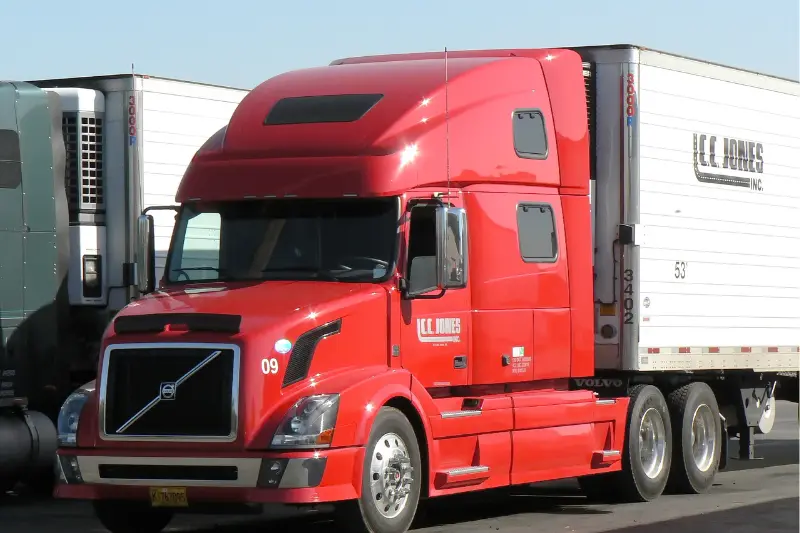
Truck diagnostics is the process of identifying mechanical, electrical, and electronic problems using specialised diagnostic equipment and hands-on testing.
Modern commercial vehicles can contain multiple electronic control modules that monitor and manage systems such as:
- Diesel engine performance
- Fuel injection
- Exhaust and emissions systems
- Automatic and automated transmissions
- ABS and braking systems
- Electronic stability systems
- Electrical circuits
- Sensors and actuators
- Cooling and temperature systems
- Instrument and warning systems
When a fault occurs, the vehicle may store a diagnostic trouble code. However, the code normally indicates an area or system that needs investigation rather than automatically identifying the failed component.
Why Accurate Truck Diagnostics Matter
For a working truck, an unresolved fault can mean more than an inconvenient warning light. A small problem can sometimes contribute to poor performance, reduced reliability, or additional component damage.
Professional diagnostics can help you:
- Identify the system affected by a fault
- Understand warning lights and fault messages
- Investigate poor engine performance
- Find electrical and sensor problems
- Diagnose transmission-related issues
- Check ABS and other electronic systems
- Avoid replacing parts unnecessarily
- Determine whether a truck can continue operating safely
- Plan the appropriate repair
The goal is not simply to clear a fault code. The goal is to understand why the fault occurred and what needs to be done next.
Common Truck Problems That Need Diagnostic Testing

Engine Warning Lights
A check-engine or engine warning light can have many possible causes. Depending on the vehicle, the fault may relate to sensors, fuel systems, air intake, turbocharging, exhaust after-treatment, or other engine-management components.
Diagnostic equipment can help identify stored and active faults that require further investigation.
Loss of Engine Power
If a truck suddenly feels weak, struggles on hills, or enters a reduced-power mode, diagnostics can help identify possible electronic or engine-management faults.
Technicians may investigate areas such as:
- Boost pressure
- Fuel pressure
- Airflow
- Temperature sensors
- Engine sensors
- Turbocharger control
- Exhaust-system faults
- Electronic control systems
Transmission Problems
Gear-selection problems, delayed shifting, unexpected shifting, or transmission warning messages may require electronic diagnostics as well as mechanical inspection.
A scan can provide useful information about transmission-related faults, but further testing may be needed to determine whether the problem is electrical, hydraulic, mechanical, or software-related.
ABS and Brake-System Warnings
ABS warning lights should not be ignored. Diagnostic testing can help identify faults involving wheel-speed sensors, wiring, control modules, or other components.
Because braking is a safety-critical system, any noticeable braking problem should be assessed promptly by a qualified professional.
Electrical Faults
Commercial trucks rely on complex electrical systems. Problems may appear as:
- Intermittent warning lights
- Starting difficulties
- Battery or charging issues
- Faulty gauges
- Lighting problems
- Sensor faults
- Communication errors between control modules
Electrical diagnostics can help narrow down the problem instead of relying on trial and error.
You may also like to read this:
On Site Truck Mechanic Te Awamutu | Mobile Repairs
Roadside Truck Mechanic Te Awamutu | Truck Help
Truck Breakdown Repair Te Awamutu | Fast Roadside Help
Truck Breakdown Service Te Awamutu | Roadside Help
Emergency Truck Mechanic Te Awamutu | 24/7 Help
How a Professional Truck Diagnostic Check Works
A thorough diagnostic process usually involves several stages.
1. Discuss the Symptoms
The technician first needs to understand what the driver has noticed. Information such as when the problem started, whether it occurs under load, and which warning lights appeared can be valuable.
2. Perform a Visual Inspection
Before relying on electronic data, the technician may check for obvious problems such as damaged wiring, loose connections, leaks, damaged hoses, or other visible issues.
3. Connect Diagnostic Equipment
A suitable diagnostic tool is connected to the truck’s diagnostic system. Depending on the vehicle, the technician may be able to access different control modules and retrieve fault information.
4. Review Fault Codes and Live Data
Stored codes are only part of the investigation. Live readings and system information can help a technician understand what the truck is doing while the fault occurs.
5. Test the Suspected Cause
Additional electrical, mechanical, pressure, temperature, or component testing may be required.
6. Recommend the Repair
Once the cause has been established as accurately as possible, the technician can explain the repair options and whether the truck should remain out of service.
Diagnostic Scan vs Full Truck Inspection
A diagnostic scan and a complete truck inspection are not necessarily the same thing.
| Diagnostic Scan | Full Inspection |
| Reads electronic fault information | Examines mechanical and electrical condition |
| Focuses on electronic control systems | Covers a wider range of vehicle components |
| Useful for warning lights and electronic faults | Useful for broader maintenance and condition checks |
| Can provide live data | May include physical testing and measurements |
| Does not automatically identify every mechanical fault | Can uncover issues that may not create electronic codes |
For example, a mechanical problem may not produce a diagnostic trouble code at all. This is why experienced technicians combine scanning with proper testing.
When Should You Get Truck Diagnostics?
Consider arranging diagnostic testing when you notice:
- An engine warning light
- Transmission warning messages
- ABS or brake-system warnings
- Sudden loss of power
- Poor acceleration
- Unusual gear changes
- Starting problems
- Increased or unusual fuel consumption
- Rough engine operation
- Intermittent electrical faults
- Unusual dashboard messages
- A truck entering a reduced-power mode
You should also consider diagnostics when a fault keeps returning after a previous repair.
Mobile Truck Diagnostics in Te Awamutu
A truck that develops a fault away from a workshop can create a major operational problem. Mobile diagnostic services can be particularly useful when the vehicle cannot easily be driven to a repair facility.
Depending on the service provider and vehicle type, a mobile technician may be able to travel to:
- A roadside location
- A transport depot
- A farm or worksite
- A commercial yard
- A construction site
- A parked truck
Before arranging a mobile diagnostic visit, provide the technician with as much information as possible, including the truck’s make, model, symptoms, warning lights, and location.
What Information Should You Give the Technician?
Good information can make troubleshooting more efficient.
Tell the technician:
- What the truck was doing when the problem appeared.
- Which warning lights or messages were displayed.
- Whether the problem happens constantly or intermittently.
- Whether the truck loses power.
- Whether the engine starts normally.
- Whether the problem occurs when the truck is loaded.
- Whether any recent repairs or maintenance were completed.
- Whether the truck has previously shown the same fault.
If possible, take a photo of the dashboard warning message or diagnostic display.
What Makes a Good Truck Diagnostic Service?
Not every diagnostic service provides the same level of troubleshooting. When choosing a provider in Te Awamutu, look for a service that offers more than a basic code-reading exercise.
Suitable Diagnostic Equipment
Commercial vehicles can use different electronic systems, so the technician needs equipment appropriate for the truck being tested.
Experienced Technicians
Diagnostic information needs to be interpreted correctly. Experience with heavy-duty diesel systems can be valuable when multiple faults appear at the same time.
Mechanical Testing
A diagnostic code should be treated as a starting point for investigation rather than automatic proof that a particular component has failed.
Clear Communication
A good technician should explain what was found, what still needs testing, and which repairs are recommended.
Mobile Capability
For operators who cannot easily move a disabled truck, mobile diagnostic support can be a practical option.
How to Reduce Truck Diagnostic Problems
Regular maintenance can help identify developing problems before they become major breakdowns.
Useful habits include:
- Follow the manufacturer’s service schedule.
- Investigate warning lights promptly.
- Keep service records.
- Check fluid levels regularly.
- Pay attention to changes in engine performance.
- Inspect wiring and connections when appropriate.
- Do not repeatedly clear warning codes without finding the cause.
- Address recurring faults instead of treating symptoms.
- Have unusual noises, smells, or performance changes investigated.
Preventive maintenance is particularly important for trucks that travel long distances or operate under heavy loads.
What Should You Do If a Warning Light Appears?
The correct response depends on the warning and how the truck is behaving.
A minor warning may allow the truck to be driven carefully to a suitable workshop, while a serious warning accompanied by overheating, severe loss of power, braking problems, unusual noises, smoke, or other dangerous symptoms may require the vehicle to be stopped and assessed.
If you are unsure whether the truck is safe to operate, get professional advice rather than taking unnecessary risks.
Questions to Ask Before Booking a Diagnostic Service
Before arranging truck diagnostics, you can ask:
- Do you work on heavy-duty trucks?
- Can you diagnose my truck’s make and model?
- Do you provide mobile diagnostics?
- Can you investigate the fault rather than just read the code?
- Will you explain the diagnostic findings?
- Can you carry out repairs if a fault is identified?
- What information should I provide before the visit?
These questions can help you choose a service that matches your vehicle and situation.
Frequently Asked Questions
What is truck diagnostics used for?
Truck diagnostics is used to identify electronic and system-related faults in commercial vehicles. It can help technicians investigate engine, transmission, ABS, electrical, emissions, and other vehicle systems.
Can a diagnostic scanner find every truck problem?
No. A scanner can identify electronic faults and provide valuable system information, but some mechanical problems may not generate a diagnostic code. Physical inspection and additional testing may still be necessary.
Is a warning light always a serious problem?
Not necessarily, but it should not automatically be ignored. The meaning depends on the warning, the truck, and its symptoms. A qualified technician can determine what investigation is appropriate.
Can truck diagnostics be done at the roadside?
Mobile diagnostic services may be able to perform certain checks at a roadside or other accessible location. The exact service available depends on the truck, fault, location, and equipment required.
How long does truck diagnostics take?
The time varies significantly. A straightforward electronic fault may be identified relatively quickly, while an intermittent electrical problem or complex engine fault can require considerably more testing.
Conclusion
Reliable truck diagnostics Te Awamutu services can help truck owners and operators understand warning lights, performance problems, electrical faults, transmission issues, and other vehicle concerns before deciding on the appropriate repair. The most useful diagnostic process combines electronic scanning with careful inspection, testing, and experienced interpretation.
If your truck is showing a warning, losing power, behaving unusually, or repeatedly developing the same fault, getting professional truck diagnostics Te Awamutu support can help you make a more informed decision about the next step.
