

Introduction
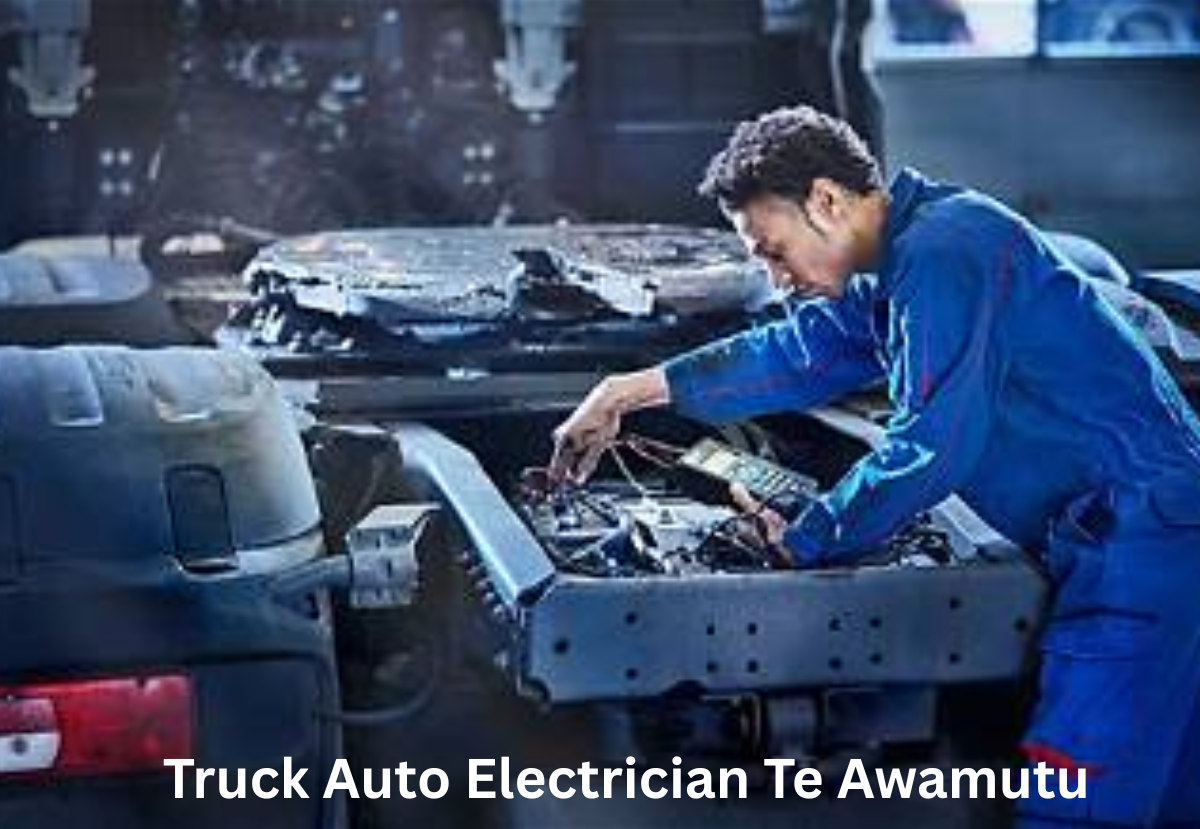
When a truck develops an electrical problem, even a relatively small fault can affect starting, lighting, safety systems, accessories, or the vehicle’s ability to stay on the road. A qualified truck auto electrician Te Awamutu can diagnose electrical issues and carry out the appropriate repairs before a minor fault becomes a major breakdown.
Modern trucks rely on much more than a battery and starter motor. Electrical and electronic systems can control engine management, charging, lighting, braking-related electronics, dashboards, communication equipment, refrigeration units, and other accessories. This makes accurate fault diagnosis especially important for commercial vehicles that need to operate reliably.
Whether your truck will not start, has a charging problem, keeps blowing fuses, has faulty lights, or is showing unexplained warning messages, professional electrical diagnostics can help identify the underlying cause.
Table of Contents
What Does a Truck Auto Electrician Do?
A truck auto electrician specialises in diagnosing, testing, repairing, and maintaining the electrical and electronic systems used in trucks and other heavy vehicles.
Their work can include:
- Battery testing and replacement
- Alternator and charging-system repairs
- Starter-motor diagnosis and repairs
- Electrical wiring repairs
- Fuse and relay testing
- Truck lighting repairs
- Fault-code diagnostics
- Dashboard and warning-light diagnosis
- Electrical accessory installation
- Trailer electrical connections
- Battery isolation and power-management systems
- Electrical fault finding
- Repairs to damaged or corroded wiring
A truck auto electrician may also work with electrical systems connected to specialist equipment, depending on the vehicle and its configuration.
Common Truck Electrical Problems
Electrical faults can appear in many different ways. Some are obvious, while others may initially look like mechanical problems.
1. Truck Won’t Start
A truck that fails to start may have a flat or weak battery, poor battery connections, a faulty starter motor, damaged wiring, or a charging-system problem.
Repeatedly replacing the battery without finding the underlying fault may only provide a temporary solution.
2. Battery Keeps Going Flat
If a battery repeatedly loses charge, there could be several causes, including:
- A failing alternator
- Excessive electrical load
- Poor battery connections
- A parasitic electrical drain
- Damaged wiring
- A battery that has reached the end of its service life
Testing the entire charging and electrical system is usually more useful than simply fitting another battery.
3. Alternator or Charging Faults
The alternator supplies electrical power while the engine is running and helps keep the battery charged.
Possible signs of a charging problem include:
- Battery warning light
- Dimming lights
- Slow electrical accessories
- Difficulty starting after driving
- Repeated battery failure
- Unusual electrical behaviour
A professional can test the charging system and determine whether the problem is with the alternator, wiring, connections, or another component.
4. Faulty Truck Lights
Working lights are essential for visibility and safe operation, particularly when trucks operate at night or in poor weather.
Electrical repairs may involve:
- Headlights
- Tail lights
- Brake lights
- Indicators
- Hazard lights
- Marker lights
- Work lights
- Auxiliary lighting
If several lights stop working at once, the cause may be a fuse, relay, earth connection, wiring fault, or another electrical issue rather than the individual bulbs.
5. Wiring and Connection Problems
Heavy vehicles experience vibration, moisture, dirt, heat, and demanding operating conditions. Over time, wiring and electrical connections can become damaged, loose, corroded, or disconnected.
A truck auto electrician can trace the affected circuit and repair the problem rather than relying on guesswork.
Why Proper Electrical Diagnostics Matter
Modern truck electrical systems can be complicated. One warning light may be caused by several different issues, and a fault in one circuit can sometimes affect another system.
Professional diagnostics can help identify:
- Fault codes
- Voltage irregularities
- Charging problems
- Wiring faults
- Sensor-related electrical issues
- Communication problems between vehicle modules
- Intermittent electrical faults
The goal is to identify the actual cause of the problem instead of replacing components unnecessarily.
Truck Battery and Starting System Repairs
The battery, starter motor, alternator, cables, and related connections work together to start the truck and maintain electrical power.
A starting problem can therefore originate from several areas.
Battery Problems
A battery may become weak because of age, repeated deep discharge, charging problems, or excessive electrical demand.
A proper battery test can help determine whether the battery itself is failing or whether another component is causing the problem.
Starter Motor Problems
A faulty starter motor may cause:
- Clicking when attempting to start
- Slow cranking
- No cranking
- Intermittent starting
- Unusual noises during starting
Electrical testing can help distinguish a starter problem from a battery, cable, relay, or ignition-related issue.
Poor Electrical Connections
Loose or corroded terminals can create resistance in the circuit. This may prevent sufficient current from reaching the starter or other electrical components.
Checking cables, terminals, earth connections, and voltage drop can be an important part of diagnosing starting problems.
Truck Electrical Accessories and Installations

Truck operators often need additional electrical equipment for work, communication, visibility, or convenience.
Depending on the truck and its intended use, an auto electrician may assist with installing or repairing equipment such as:
- Work lights
- Beacon lights
- Additional marker lights
- Reversing cameras
- Electrical sockets
- In-cab accessories
- Auxiliary power systems
- Trailer connections
- Refrigeration-related electrical equipment
- Communication equipment
Accessories should be installed correctly so they do not overload circuits or create unnecessary battery drain.
Trailer and Truck Electrical Repairs
Truck and trailer electrical systems need to work together correctly.
Common trailer-related electrical problems include:
- Indicators not working
- Brake lights failing
- Tail lights not operating
- Loose electrical plugs
- Damaged wiring
- Poor earth connections
- Intermittent lighting
- Corroded connectors
If the truck works correctly but trailer lights keep failing, the fault may be within the trailer wiring, connector, earth circuit, or lighting system.
Signs You Should Contact a Truck Auto Electrician
Some electrical problems are obvious, while others develop gradually.
Consider arranging professional diagnosis if you notice:
- The truck is slow to start
- The battery repeatedly goes flat
- Warning lights appear unexpectedly
- Headlights or other lights flicker
- Electrical accessories stop working
- Fuses keep blowing
- The alternator is not charging properly
- Wiring appears damaged
- There is a burning electrical smell
- Electrical faults occur intermittently
- The dashboard behaves unusually
A burning smell, smoke, melted wiring, or signs of overheating should not be ignored. If continuing to operate the vehicle could be unsafe, stop using it and arrange professional assistance.
You may also like to read these posts:
Truck Engine Rebuild Te Awamutu: Complete Guide for Truck Owners
Engine Reconditioners Te Awamutu
Truck Brake Repairs Te Awamutu
Truck brake service te awamutu
Truck Electrical Repairs Te Awamutu: A Practical Guide for Truck Owners
Mobile Truck Auto Electrical Assistance
For commercial vehicles, getting a truck back on the road quickly can be important. Depending on the provider, mobile auto electrical assistance may be available for suitable breakdowns and repair work.
A mobile technician can potentially diagnose or repair certain problems at:
- Truck yards
- Worksites
- Depots
- Farms
- Business premises
- Roadsides
- Other accessible locations
Before arranging mobile assistance, provide as much information as possible about the truck, its location, the symptoms, and whether it can be safely moved.
Not every electrical repair can be completed roadside. More complex faults may require workshop equipment or additional diagnostic testing.
How to Choose a Truck Auto Electrician in Te Awamutu
Choosing the right technician is about more than finding the closest service.
Look for Heavy-Vehicle Experience
Trucks have different electrical demands from ordinary passenger vehicles. Look for a provider with experience working on commercial or heavy vehicles similar to yours.
Ask About Diagnostics
A good diagnostic process should focus on finding the cause of the fault rather than immediately replacing parts.
Check the Services Offered
If you need more than a simple repair, confirm that the electrician can handle the required work, such as truck lighting, batteries, trailer wiring, starting systems, or electrical diagnostics.
Explain the Symptoms Clearly
Before the technician begins, describe:
- When the problem started
- Whether it happens every time
- What happens when you try to start the truck
- Whether warning lights appear
- Whether anything was recently repaired or installed
- Whether the truck has been exposed to water or other unusual conditions
Good information can help narrow down the diagnostic process.
Ask for a Clear Explanation
Before approving significant repair work, ask what has been found, what needs to be repaired, and whether there are any other related issues that should be addressed.
Truck Electrical Repair vs. Mechanical Repair
Electrical and mechanical problems can sometimes produce similar symptoms.
| Symptom | Possible Electrical Cause | Possible Mechanical Cause |
|---|---|---|
| Truck won’t start | Battery, starter, wiring | Engine or fuel-system issue |
| Slow cranking | Battery, cables, starter | Mechanical engine resistance |
| Battery keeps going flat | Alternator, drain, wiring | — |
| Warning light appears | Sensor, wiring, module | Mechanical system fault |
| Lights fail | Fuse, relay, wiring, bulb | — |
| Poor engine performance | Sensor or electrical fault | Fuel, air, or mechanical issue |
This is why proper diagnosis matters. A symptom alone does not always identify the failed component.
How to Prepare for a Truck Electrical Repair
You can make the diagnostic process easier by collecting useful information before contacting a technician.
Record the Symptoms
Write down exactly what happens. For example, note whether the truck starts sometimes but not others or whether the problem occurs only after the vehicle has been sitting overnight.
Check for Recent Changes
Mention any recent:
- Battery replacement
- Electrical installation
- Wiring work
- Trailer connection
- Accessory installation
- Mechanical repair
- Accident or impact
- Water exposure
These details may help identify where a new fault originated.
Know Your Truck Details
Have the truck’s make, model, year, and relevant engine or electrical information available when requesting assistance.
For fleet vehicles, also provide any useful fault information already recorded by the driver or fleet manager.
Preventing Truck Electrical Problems
Routine maintenance can reduce the likelihood of unexpected electrical faults.
Useful preventative measures include:
- Inspecting battery terminals
- Keeping electrical connections clean and secure
- Checking charging-system performance
- Inspecting visible wiring for damage
- Replacing damaged cables promptly
- Checking truck and trailer lights
- Avoiding poorly installed accessories
- Investigating repeated fuse failures
- Addressing warning lights promptly
A recurring electrical fault should not simply be reset or ignored. Finding the cause early may prevent a more serious failure later.
Questions to Ask Before Approving Repairs
If your truck requires electrical work, a few practical questions can help you understand the repair.
Ask:
- What is causing the electrical problem?
- Has the fault been confirmed through testing?
- Which components need repair or replacement?
- Is the truck safe to drive?
- Are there any related electrical problems?
- Will the repair require workshop equipment?
- Are replacement parts available?
- Is further diagnostic testing recommended?
Clear communication helps avoid misunderstandings and makes it easier to plan downtime.
Frequently Asked Questions
What does a truck auto electrician repair?
A truck auto electrician can diagnose and repair electrical systems such as batteries, alternators, starter motors, wiring, fuses, relays, lighting, electrical accessories, trailer connections, and various electronic systems.
When should I call a truck auto electrician?
Contact one when you experience repeated starting problems, battery drain, charging issues, faulty lights, warning messages, electrical accessories that stop working, damaged wiring, or unexplained electrical faults.
Can a truck auto electrician diagnose intermittent faults?
Yes. Intermittent faults can sometimes be more difficult to identify because the problem may disappear before testing begins. Providing details about when and how the fault occurs can help with diagnosis.
Can electrical problems cause a truck not to start?
Yes. A weak battery, faulty starter motor, poor connections, damaged wiring, charging-system problem, or another electrical fault can prevent a truck from starting.
Can a truck electrician repair trailer wiring?
Depending on the provider, trailer electrical work may include diagnosing and repairing lighting circuits, plugs, connectors, wiring, and earth-related faults.
Is it safe to keep driving with an electrical fault?
It depends on the fault. Problems involving lights, starting systems, wiring damage, overheating, smoke, or other safety-related systems should be assessed promptly. If there is an immediate safety concern, avoid continuing to operate the vehicle until it has been checked.
What information should I give the electrician?
Provide the truck’s make and model, the symptoms, when the problem started, whether it is intermittent, recent repair or accessory information, warning lights, and your vehicle’s location if mobile assistance is required.
Conclusion
Reliable electrical systems are essential for trucks that need to start, operate safely, and remain productive. From battery and alternator problems to wiring faults, lighting issues, trailer connections, and electronic diagnostics, the right technician can identify the cause and recommend an appropriate repair.
If your commercial vehicle is experiencing an electrical problem, choosing an experienced truck auto electrician Te Awamutu can help you get the issue properly diagnosed and addressed rather than relying on guesswork or temporary fixes.
