

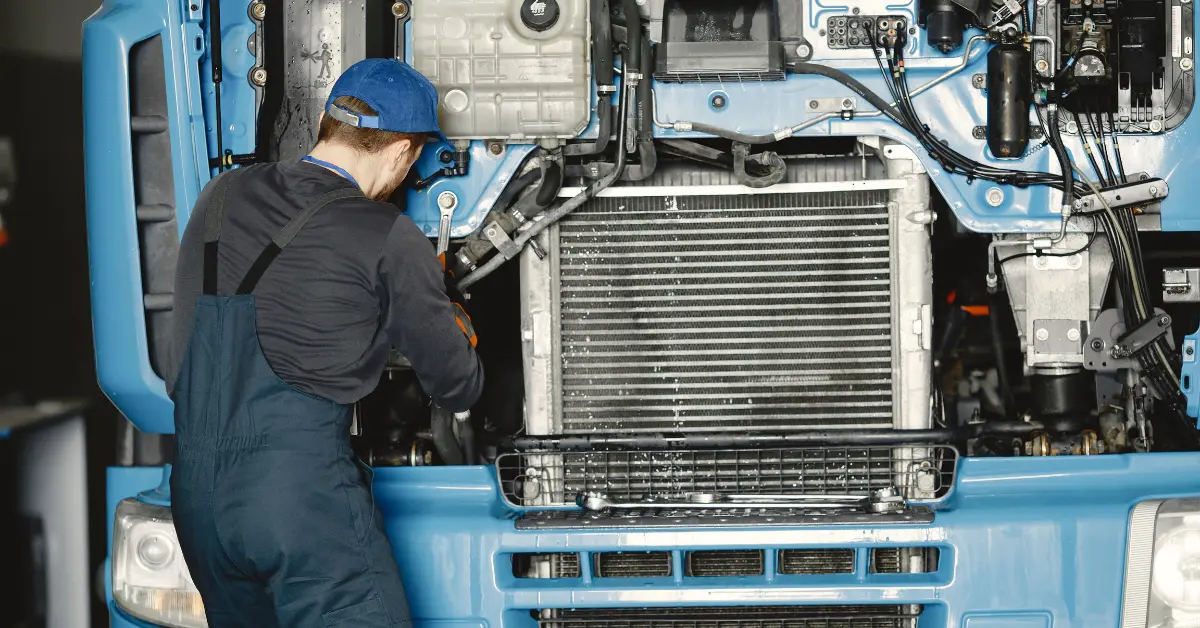
When a truck develops an engine problem, getting it checked quickly can help prevent a small fault from becoming a major repair. Truck engine repair Te Awamutu services can help identify issues such as overheating, poor performance, excessive smoke, unusual noises, starting problems, and engine warning lights. Whether you operate a work truck, diesel truck, commercial vehicle, or heavy-duty vehicle, accurate diagnosis is an important first step.
A truck engine works under demanding conditions, often carrying heavy loads and operating for long periods. Regular servicing, timely fault finding, and professional repairs can help keep the vehicle dependable and reduce unexpected downtime.
Table of Contents
What Does Truck Engine Repair Involve?
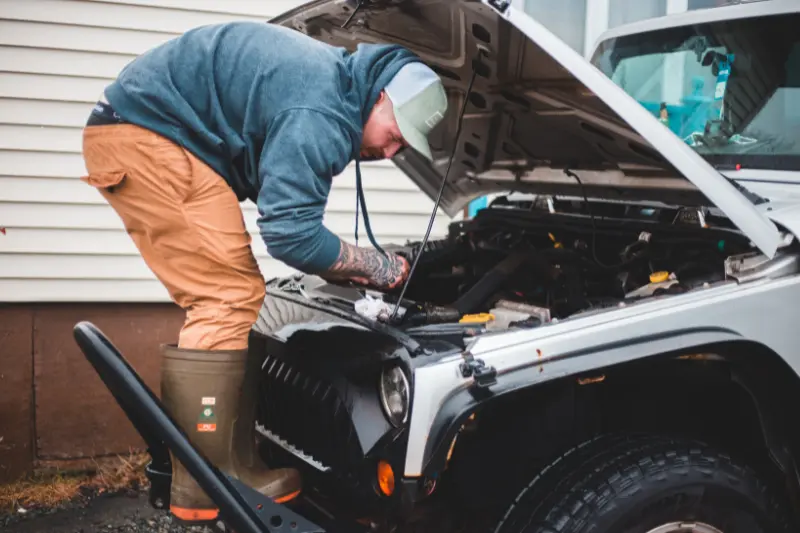
Truck engine repair covers much more than replacing worn parts. A qualified mechanic will normally begin by identifying the cause of the problem before deciding what needs to be repaired.
Depending on the fault, engine repair may involve:
- Engine diagnostics and fault-code scanning
- Diesel engine troubleshooting
- Fuel system inspection
- Turbocharger checks
- Cooling system repairs
- Oil and lubrication system checks
- Air intake and exhaust inspections
- Injector testing
- Battery and starting-system checks
- Belt, hose, and pulley inspection
- Engine component replacement
- Overheating diagnosis
- Performance and drivability checks
The right repair depends on the symptoms, vehicle type, engine condition, and diagnostic findings.
Common Truck Engine Problems
Truck engines can develop different problems depending on mileage, operating conditions, maintenance history, load, and driving environment.
Engine Won’t Start
A truck that refuses to start may have an issue with the battery, starter, fuel delivery, electrical system, sensors, or engine management system.
For diesel trucks, fuel-related problems can also prevent proper starting. Rather than repeatedly attempting to start the engine, it is better to have the cause investigated.
Loss of Engine Power
Reduced power can be particularly frustrating for trucks because the vehicle may struggle under load or while travelling uphill.
Possible causes include:
- Blocked air filters
- Fuel delivery problems
- Turbocharger faults
- Injector problems
- Sensor failures
- Exhaust restrictions
- Air intake leaks
- Engine management faults
A diagnostic inspection can help determine which system is responsible.
Engine Overheating
Overheating should never be ignored. Continued operation with an overheating engine can cause serious damage.
Potential causes include:
- Low coolant
- Coolant leaks
- Radiator problems
- Thermostat faults
- Cooling fan issues
- Water pump problems
- Blocked cooling passages
- Damaged hoses
If the temperature gauge rises into an unsafe range, stop the truck when it is safe to do so and arrange an inspection.
Excessive Exhaust Smoke
Smoke from a diesel truck can provide useful clues about an engine problem, although the colour and circumstances matter.
For example, persistent smoke may be associated with fuel, air, combustion, oil, or engine-component problems. A mechanic should diagnose the underlying cause rather than simply treating the visible symptom.
Unusual Engine Noises
Knocking, tapping, rattling, whining, or grinding sounds can indicate a mechanical or accessory-related problem.
A new or worsening noise deserves attention, particularly if it occurs alongside:
- Loss of power
- Low oil pressure
- Increased engine temperature
- Warning lights
- Excessive vibration
- Difficult starting
Continuing to operate a truck with a serious mechanical fault can increase the eventual repair requirements.
Why Engine Diagnostics Matter
Modern trucks often use electronic control systems to monitor and manage engine operation. Diagnostic equipment can help identify stored fault codes and provide information about systems that may not be obvious during a basic visual inspection.
However, a fault code does not automatically mean that the named component needs replacing.
A good diagnostic process should consider:
- The driver’s description of the problem
- Warning lights and fault codes
- Physical inspection
- Live data where appropriate
- Testing of related components
- The vehicle’s service history
- Confirmation of the actual cause before repair
This approach can help avoid unnecessary parts replacement.
Diesel Truck Engine Repairs
Diesel engines are widely used in commercial and heavy-duty vehicles because they are designed for demanding workloads. They also have specialised fuel, air, turbocharging, emissions, and engine-management systems.
Diesel engine repair may involve inspecting components such as:
- Fuel injectors
- High-pressure fuel systems
- Turbochargers
- Intercoolers
- Glow plugs or starting systems
- Sensors and actuators
- Air intake components
- Exhaust components
- Cooling systems
- Lubrication systems
The exact repair procedure depends on the truck and engine.
You may also like to read this:
Truck Breakdown Service Te Awamutu | Roadside Help
Emergency Truck Mechanic Te Awamutu | 24/7 Help
Truck Diagnostics Te Awamutu | Find Truck Faults Fast
Diesel Diagnostics Te Awamutu | Diesel Fault Finding
Truck Fault Finding Te Awamutu | Fast Diagnosis
Signs Your Truck Needs Engine Repair
Some engine faults develop gradually, while others appear suddenly. Look out for warning signs such as:
- Check-engine or engine warning lights
- Difficulty starting
- Rough or uneven running
- Reduced acceleration
- Excessive fuel consumption
- Unusual exhaust smoke
- Engine overheating
- Low oil pressure warnings
- Unusual engine sounds
- Excessive vibration
- Oil or coolant leaks
- Repeated stalling
One warning sign does not always indicate a major engine failure, but ignoring repeated symptoms can make diagnosis and repair more complicated.
When Should You Stop Driving?
Not every engine warning requires immediate recovery, but certain symptoms should be treated seriously.
Stop operating the truck as soon as it is safe to do so if you notice signs such as:
- Severe overheating
- Very low oil pressure
- Heavy smoke
- Loud knocking or grinding
- Major fluid leakage
- Sudden and significant loss of power
- A serious warning light accompanied by unusual engine behaviour
If continuing to drive could cause further damage or create a safety risk, arrange professional assistance instead.
Engine Repair vs. Engine Replacement
One of the biggest concerns for truck owners is whether an engine can be repaired or needs replacement.
Engine Repair May Be Suitable When
Repair may make sense when the underlying problem is limited to a particular component or system, such as a cooling-system fault, injector issue, sensor problem, turbocharger fault, or other repairable component.
Engine Replacement May Be Considered When
Replacement or rebuilding may be considered if the engine has extensive internal damage or the cost and reliability of major repairs no longer make practical sense.
The decision should be based on the engine’s condition, truck value, expected future use, repair requirements, and professional assessment.
How to Reduce the Risk of Engine Problems
Preventive maintenance is usually easier to manage than unexpected engine failure.
Truck owners can help protect engine reliability by:
- Following the manufacturer’s service schedule
- Checking engine oil regularly
- Maintaining correct coolant levels
- Replacing filters when required
- Checking belts and hoses
- Addressing fluid leaks promptly
- Monitoring engine temperature
- Paying attention to warning lights
- Investigating unusual noises or smoke
- Keeping accurate service records
Heavy-duty vehicles that work hard or travel long distances may require particularly careful maintenance planning.
Choosing a Truck Engine Repair Service in Te Awamutu
When looking for truck engine repair Te Awamutu, don’t choose a mechanic based only on the cheapest quoted price. The quality of diagnosis and repair can have a major impact on downtime and future reliability.
Consider asking:
Does the mechanic understand commercial vehicles?
Truck engines and systems can differ significantly from ordinary passenger vehicles. Look for experience relevant to the type of truck and engine being repaired.
Can they diagnose the problem?
A proper diagnostic process is important when the cause of an engine problem isn’t obvious.
Do they explain the repair?
A good repair service should be able to explain what has been found, what needs attention, and what work is recommended.
Do they consider downtime?
For businesses that rely on trucks, getting a vehicle back into service efficiently can be an important part of the repair decision.
Do they check the underlying cause?
Replacing a failed component without finding why it failed can result in the same problem returning.
Questions to Ask Before Authorising Repairs
Before approving major engine work, ask the mechanic:
- What caused the problem?
- What tests have been completed?
- Which parts need repair or replacement?
- Is the truck safe to continue operating?
- Are there other related issues that should be addressed?
- Is the repair urgent?
- What could happen if the repair is delayed?
- Does the repair come with any workmanship or parts warranty?
- Is engine rebuilding or replacement worth considering?
Clear answers can help you make a more informed decision.
What to Do If Your Truck Breaks Down
If an engine problem occurs while you’re working or travelling, prioritise safety first.
- Move the truck to a safe location if possible.
- Switch off the engine if continued operation could cause damage.
- Check for obvious signs such as smoke or fluid leaks from a safe distance.
- Note any warning lights or unusual symptoms.
- Contact a suitable truck or diesel repair service.
- Provide the mechanic with details about what happened before the breakdown.
Useful information includes when the problem started, whether the engine was hot or cold, any recent repairs, warning lights, unusual sounds, and whether the truck was carrying a heavy load.
Frequently Asked Questions
How do I know if my truck engine needs repair?
Warning signs can include difficult starting, loss of power, overheating, unusual smoke, abnormal engine noises, fluid leaks, excessive vibration, or engine warning lights. A professional inspection can identify the actual cause.
Can a diesel truck engine be repaired?
Yes. Many diesel engine problems can be repaired, depending on the affected component and the overall condition of the engine. The appropriate solution should be determined after diagnosis.
Is it safe to drive a truck with an engine warning light?
It depends on the warning light and how the truck is operating. If the vehicle is overheating, losing significant power, making severe noises, or showing a serious warning, stop driving when safe and seek professional assistance.
How can I prevent major engine repairs?
Regular servicing, correct oil and coolant levels, filter replacement, prompt attention to warning signs, and professional diagnostics can help identify problems before they become more serious.
Conclusion
Reliable engine performance is essential for trucks used for work, deliveries, transport, and long-distance travel. Acting quickly when you notice overheating, smoke, power loss, unusual noises, warning lights, or starting problems can help prevent further damage.
If you are looking for truck engine repair Te Awamutu, focus on a service that provides proper diagnostics, explains the problem clearly, and recommends repairs based on the actual condition of your truck rather than guesswork.
