

Keeping a commercial vehicle on the road is essential for businesses that depend on reliable transport. A breakdown can delay deliveries, disrupt schedules, increase operating costs, and leave drivers waiting for repairs. Choosing an experienced commercial truck mechanic Te Awamutu businesses can rely on helps keep heavy vehicles maintained, safe, and ready for demanding work.
Commercial trucks operate under considerably more demanding conditions than ordinary passenger vehicles. Long-distance driving, heavy loads, frequent stopping and starting, towing, rough roads, and extended engine operating hours can all contribute to wear. Regular inspections and timely repairs can identify developing problems before they become major mechanical failures.
Whether you operate a single truck, a small group of vehicles, or a larger commercial fleet, having access to dependable heavy vehicle servicing can make day-to-day operations easier.
Table of Contents
What Does a Commercial Truck Mechanic Do?
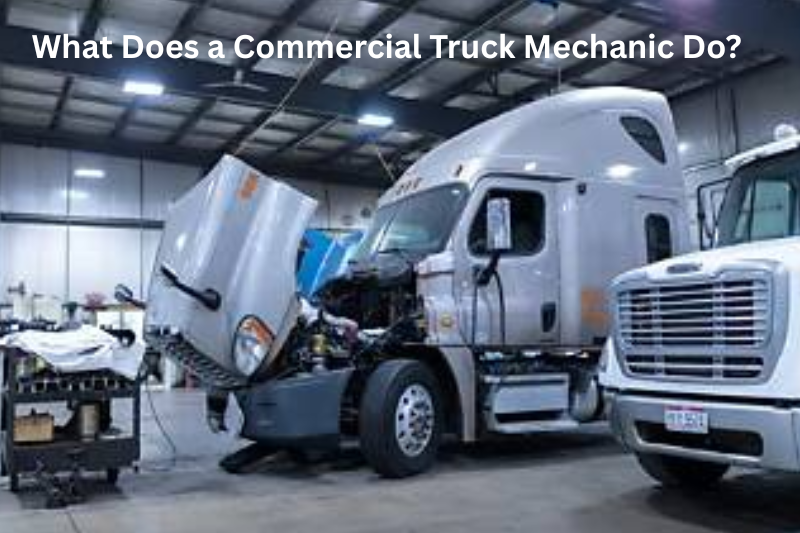
A commercial truck mechanic works on heavy vehicles used for business, transport, freight, construction, agriculture, and other commercial purposes.
Depending on the workshop and vehicle, services may include:
- Engine diagnostics and repairs
- Brake inspections and repairs
- Clutch repairs and replacement
- Transmission servicing
- Steering and suspension repairs
- Electrical diagnostics
- Cooling system repairs
- Exhaust and emissions-related repairs
- Trailer and truck repairs
- Preventive maintenance
- Fleet servicing
- General mechanical inspections
Commercial vehicles can vary significantly in size and design, so it is important to use a mechanic with suitable experience and equipment for the type of truck being serviced.
Why Commercial Truck Maintenance Matters
A commercial truck is more than just a vehicle. For many businesses, it is an essential working asset.
A poorly maintained truck can create several problems, including unexpected downtime, reduced fuel efficiency, accelerated component wear, and disruption to deliveries.
Regular maintenance helps you:
- Identify worn components earlier
- Reduce the risk of unexpected breakdowns
- Keep important mechanical systems operating properly
- Support safer vehicle operation
- Plan repairs around your business schedule
- Extend the useful life of expensive components
- Reduce avoidable downtime
Preventive maintenance does not eliminate every possible breakdown, but it can reduce the likelihood of small problems developing into expensive failures.
Common Commercial Truck Repairs
Heavy vehicles experience wear in many different systems. Some problems appear gradually, while others can develop suddenly.
Engine Repairs and Diagnostics
The engine is one of the most important components of a commercial truck. Problems may involve the cooling system, lubrication system, fuel system, sensors, belts, hoses, or internal engine components.
Warning signs can include:
- Difficult starting
- Loss of power
- Unusual engine noises
- Excessive smoke
- Overheating
- Poor fuel economy
- Warning lights
- Rough running
Modern diagnostic equipment can help identify electronic and mechanical faults more efficiently.
Brake Repairs
Brakes require particular attention because heavy commercial vehicles carry significant weight.
A mechanic may inspect components such as:
- Brake pads or shoes
- Discs or drums
- Calipers
- Air brake components
- Brake lines
- Hoses
- Valves and related systems
If you notice unusual braking behaviour, reduced braking performance, pulling to one side, vibration, or unusual noises, arrange an inspection rather than continuing to operate the vehicle without checking the problem.
Clutch Repairs
Repeated heavy-load operation can place substantial stress on clutch components.
Possible signs of clutch trouble include:
- Difficulty changing gears
- Clutch slipping
- Unusual noises
- A burning smell
- Delayed engagement
- Difficulty moving off smoothly
Early diagnosis may prevent additional damage to related drivetrain components.
Transmission and Drivetrain Repairs
Transmission problems can affect the truck’s ability to accelerate, change gears, or transfer power effectively.
A mechanic may investigate:
- Gear selection problems
- Grinding noises
- Fluid leaks
- Unusual vibration
- Delayed engagement
- Transmission warning lights
The drivetrain should also be checked when symptoms suggest problems with components such as driveshafts, differentials, or related assemblies.
Steering and Suspension Repairs
Steering and suspension systems influence vehicle control, stability, tyre wear, and driver comfort.
Common concerns include:
- Excessive steering play
- Uneven tyre wear
- Vehicle pulling to one side
- Excessive bouncing
- Abnormal suspension noise
- Uneven ride height
- Vibration through the steering wheel
These symptoms should not be ignored, particularly when the truck regularly carries heavy loads.
Truck Electrical Diagnostics and Repairs
Modern commercial trucks rely on electrical and electronic systems for much more than basic lighting.
Electrical faults can affect starting, charging, sensors, warning systems, engine management, and other vehicle functions.
A commercial truck mechanic may use diagnostic equipment to investigate:
- Battery problems
- Alternator faults
- Starter motor issues
- Wiring problems
- Sensor faults
- Warning lights
- Electronic control systems
- Lighting faults
Accurate diagnosis is important because replacing parts without identifying the underlying fault can waste time and money.
Trailer Repairs and Inspections
For businesses operating truck-and-trailer combinations, the trailer deserves the same attention as the truck itself.
Trailer servicing may involve checking:
- Brakes
- Suspension
- Couplings
- Wheels and tyres
- Lighting
- Electrical connections
- Air lines
- Structural components
- Doors and other fittings
A fault with a trailer can interrupt an entire delivery operation even when the truck itself is mechanically sound.
Fleet Servicing for Businesses
Businesses operating several commercial vehicles often need a more organised approach to maintenance.
Instead of waiting for individual trucks to develop problems, fleet maintenance can be planned around vehicle usage, service requirements, operating conditions, and business schedules.
A fleet servicing programme may include:
- Routine inspections
- Scheduled servicing
- Fault diagnosis
- Preventive component replacement
- Brake and tyre checks
- Record keeping
- Follow-up repairs
- Maintenance planning
The goal is to keep vehicles available for work while identifying maintenance requirements before they become urgent whenever possible.
Signs Your Commercial Truck Needs a Mechanic
Some problems are obvious, while others begin as minor changes in vehicle behaviour.
Arrange an inspection if you notice:
- New or unusual noises
- Warning lights
- Reduced engine performance
- Difficulty starting
- Excessive smoke
- Unusual vibrations
- Steering changes
- Brake problems
- Fluid leaks
- Abnormal tyre wear
- Gear-shifting difficulties
- Overheating
- Increased fuel consumption
Do not assume a vehicle is safe simply because it is still operational. A truck can continue moving while a component is already deteriorating.
Preventive Maintenance vs Emergency Repairs
Preventive maintenance and emergency repairs serve different purposes.
| Preventive Maintenance | Emergency Repair |
|---|---|
| Planned in advance | Usually unexpected |
| Helps identify developing faults | Addresses an immediate failure |
| Can be scheduled around operations | May interrupt deliveries |
| Supports predictable maintenance costs | Can create unplanned expenses |
| Helps reduce avoidable downtime | Often requires urgent attention |
Preventive servicing cannot prevent every failure, but it provides an opportunity to detect wear and address problems before they become more disruptive.
How to Choose a Commercial Truck Mechanic in Te Awamutu
When comparing workshops, do not focus on price alone. The right mechanic should be suitable for the type of vehicle and work your business requires.
Consider the following:
Experience With Commercial Vehicles
Ask whether the workshop regularly works on heavy commercial vehicles similar to yours.
Diagnostic Capability
Modern trucks can contain complex electronic systems. Suitable diagnostic equipment can make fault-finding more efficient.
Range of Services
A workshop capable of handling multiple mechanical systems can simplify maintenance for operators who would otherwise need to visit several providers.
Communication
Clear communication matters when a vehicle is part of your business. A good workshop should explain identified faults, recommended repairs, and any important maintenance concerns clearly.
Maintenance Planning
For businesses with regular vehicle usage, ask whether the workshop can support scheduled servicing rather than only responding to breakdowns.
Parts and Repair Options
Before authorising major work, understand what parts are required and what repair is being recommended. For significant repairs, a clear written estimate can help with budgeting.
What to Ask Before Booking a Truck Repair
Before taking a commercial truck to a workshop, prepare useful information about the problem.
Tell the mechanic:
- What symptoms you have noticed
- When the problem started
- Whether it happens when the truck is loaded or unloaded
- Whether warning lights appeared
- Whether the problem occurs during starting, driving, braking, or gear changes
- Whether the truck has recently received repairs
- Whether there are visible leaks or unusual noises
The more accurate information you provide, the easier it may be to investigate the fault.
How to Reduce Commercial Truck Downtime
Downtime can be particularly costly for businesses with delivery deadlines.
You can reduce avoidable interruptions by:
- Following a regular maintenance schedule
- Checking fluids and tyres as recommended
- Reporting unusual symptoms early
- Keeping service records
- Scheduling inspections before demanding work periods
- Monitoring recurring faults
- Maintaining trailers as well as trucks
- Using a workshop familiar with your vehicle type
For fleet operators, keeping a maintenance history for each vehicle can make it easier to identify recurring issues and plan upcoming work.
When Should You Stop Driving a Truck?
Some problems require immediate attention rather than waiting until the next scheduled service.
If a truck develops a serious braking problem, major steering issue, severe overheating, significant fluid leak, heavy smoke, or another condition that could affect safe operation, stop in a safe location and seek appropriate professional assistance.
Continuing to drive a vehicle with a serious mechanical fault can increase the risk of further damage and may create a safety hazard.
You may also like to read these posts:
Truck Engine Rebuild Te Awamutu: Complete Guide for Truck Owners
Engine Reconditioners Te Awamutu
Truck Brake Repairs Te Awamutu
Truck brake service te awamutu
Commercial Truck Servicing for Different Businesses
Different industries place different demands on their vehicles.
Transport and Freight Businesses
Freight trucks may spend long hours on the road and accumulate substantial mileage. Preventive servicing and inspections can help operators manage wear and minimise unexpected interruptions.
Construction Companies
Construction vehicles may operate around dusty worksites, carry heavy materials, or travel over uneven surfaces. Brakes, suspension, tyres, drivetrain components, and other systems may require particular attention.
Agricultural Businesses
Agricultural vehicles can experience demanding operating environments, including dirt, mud, dust, and heavy loads. Routine cleaning, inspections, and servicing can help identify problems caused by harsh conditions.
Local Delivery Businesses
Frequent short trips can place repeated demands on braking, clutch, transmission, and other components. Regular servicing helps keep delivery vehicles dependable for daily routes.
What Makes a Good Heavy Vehicle Workshop?
A dependable commercial vehicle workshop should focus on proper diagnosis rather than simply replacing parts.
Look for a provider that offers:
- Experienced heavy vehicle technicians
- Appropriate diagnostic equipment
- Clear communication
- Thorough inspections
- Preventive maintenance options
- Commercial truck repair experience
- Truck and trailer servicing where applicable
- Clear estimates for planned work
- Practical maintenance advice
The best choice will depend on your truck type, operating requirements, location, schedule, and repair needs.
Practical Truck Maintenance Tips
Drivers and fleet managers can support professional servicing through simple routine checks.
Before operating a vehicle, where appropriate, check for:
- Visible fluid leaks
- Tyre damage or obvious abnormalities
- Lighting issues
- Unusual warning indicators
- Obvious damage
- Changes in vehicle behaviour
Follow the manufacturer’s maintenance recommendations and any applicable requirements for your vehicle and operation.
Keep a record of servicing, repairs, inspections, and replaced components. This information can be useful when diagnosing recurring problems and planning future maintenance.
Frequently Asked Questions
What services does a commercial truck mechanic provide?
A commercial truck mechanic may provide engine diagnostics, brake repairs, clutch and transmission work, steering and suspension repairs, electrical diagnostics, preventive servicing, and other heavy vehicle repairs. Services vary between workshops.
How often should a commercial truck be serviced?
The appropriate service interval depends on the truck, engine, manufacturer recommendations, mileage or operating hours, load, driving conditions, and how the vehicle is used. Follow the manufacturer’s schedule and ask your mechanic if your operating conditions require additional inspections.
Can a truck mechanic repair trailers too?
Some heavy vehicle workshops provide both truck and trailer repairs. Before booking, confirm that the workshop has the equipment and experience required for your specific trailer.
What are the most common signs of truck mechanical problems?
Warning signs can include unusual noises, fluid leaks, warning lights, overheating, reduced power, braking changes, steering problems, vibration, unusual tyre wear, and difficulty changing gears.
Should I wait until a truck breaks down before getting it serviced?
No. Planned maintenance is generally preferable to waiting for a failure. Routine inspections can identify worn or developing components and allow repairs to be scheduled before they cause a larger operational disruption.
How can I find a reliable commercial truck mechanic in Te Awamutu?
Compare workshops based on commercial vehicle experience, diagnostic capability, range of services, communication, maintenance support, and suitability for your particular truck. Ask clear questions about the inspection and recommended repairs before authorising major work.
Conclusion
Reliable commercial vehicle maintenance is an important part of keeping a transport, construction, delivery, or other business operating smoothly. Regular servicing, early fault diagnosis, and attention to brakes, engine systems, drivetrain, steering, suspension, electrical components, and trailers can help reduce avoidable downtime.
When choosing a commercial truck mechanic Te Awamutu businesses can depend on, look beyond the cheapest quote. Consider experience, diagnostic capability, communication, maintenance planning, and the workshop’s ability to handle your specific vehicle. With the right maintenance approach and a dependable commercial truck mechanic Te Awamutu, you can keep your commercial vehicles prepared for the work they need to perform.
