


Table of Contents
Introduction;
Finding the right truck hire Te Awamutu service can make it easier for businesses, contractors, farmers, tradespeople, and individuals to access a suitable vehicle when they need one. Hiring a truck can be a practical alternative to purchasing a vehicle, particularly for short-term projects, temporary increases in workload, moving jobs, or one-off transport requirements.
Whether you need a light commercial truck, moving truck, work truck, or another type of vehicle, choosing the right truck and understanding the hire conditions can help make the process straightforward.
What Is Truck Hire?
Truck hire allows you to use a truck for an agreed period without purchasing the vehicle outright.
Depending on the hire provider and available fleet, truck hire may be suitable for:
- Moving household items
- Business deliveries
- Construction projects
- Farm work
- Landscaping
- Trade work
- Equipment transportation
- Commercial deliveries
- Temporary business requirements
- One-off transport jobs
The type of truck you need will depend on the load, distance, access conditions, and intended use.
Why Consider Truck Hire in Te Awamutu?
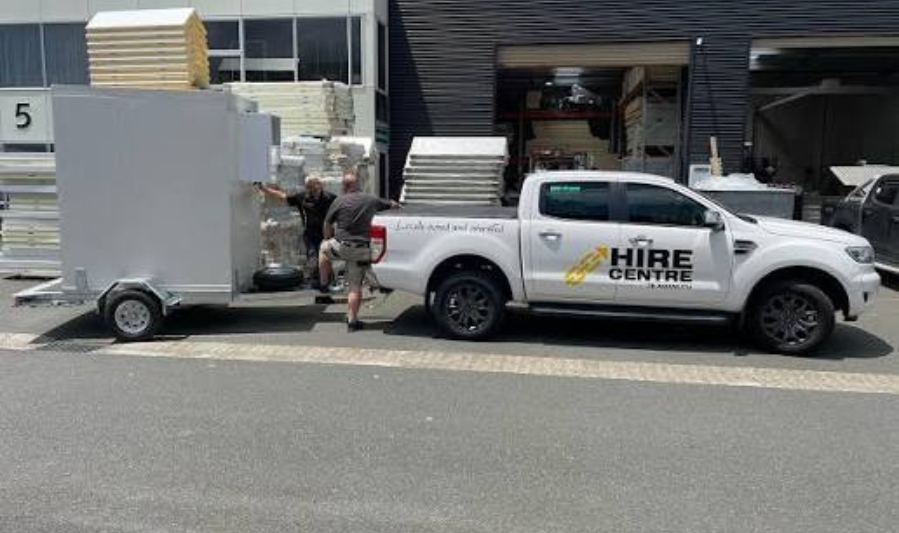
Te Awamutu and the surrounding Waikato area support agricultural, commercial, construction, transport, and trade activities. A suitable truck can be useful for moving equipment, materials, goods, furniture, and other loads.
Hiring a truck may be useful when:
- Your regular vehicle is unavailable
- You need additional transport capacity
- You have a short-term project
- You are moving house or business equipment
- Your business has temporarily increased demand
- You need a specialised truck for a particular job
- Purchasing a truck is not practical
Truck hire can provide flexibility without the long-term financial commitment associated with vehicle ownership.
Types of Trucks Available for Hire
The vehicles available will depend on the provider, but truck hire fleets may include different options for different jobs.
Light Commercial Trucks
Light trucks can be suitable for smaller deliveries, moving jobs, trades, and general transport.
Moving Trucks
Moving trucks can provide additional space for furniture, appliances, boxes, and household belongings.
Flat-Deck Trucks
Flat-deck trucks can be useful when transporting machinery, building materials, equipment, or other large items that require convenient loading access.
Box Trucks
Box trucks provide an enclosed cargo area that can help protect goods from weather and other external conditions.
Tipper Trucks
Tipper trucks can be useful for transporting and unloading materials such as soil, gravel, landscaping products, and other suitable loads.
Heavy Trucks
For larger commercial requirements, a heavy truck may provide greater payload and carrying capacity. The appropriate licence and hire conditions will depend on the vehicle.
How Does Truck Hire Work?

The truck hire process is generally straightforward.
1. Determine Your Requirements
Start by considering:
- What you need to transport
- Approximate load size
- Load weight
- Distance to be travelled
- Number of trips required
- Road and site conditions
- How long you need the truck
2. Choose a Suitable Truck
Select a vehicle with enough capacity for your load. Avoid choosing a truck based only on available space because payload limits are also important.
3. Check Licence Requirements
Different trucks may have different driver licensing requirements. Confirm that you have the appropriate licence for the vehicle you intend to hire.
4. Review the Hire Agreement
Before collecting the truck, understand the hire period, charges, insurance conditions, fuel requirements, kilometres, deposits, and other applicable terms.
5. Inspect the Truck
Check the vehicle’s condition before leaving and report any existing damage to the hire provider.
Choosing the Right Truck for Your Job
Choosing the correct vehicle is one of the most important parts of truck hire.
Consider the following:
Load Weight
Know approximately how heavy your cargo is. The truck must be suitable for the load and operated within its legal and manufacturer limits.
Load Size
Consider the dimensions of the items you need to transport. Large or awkward loads may require a particular truck body or loading arrangement.
Access
Think about where the truck needs to travel and whether there are narrow roads, low bridges, tight driveways, steep areas, or restricted loading locations.
Distance
For longer trips, fuel consumption, driver comfort, and vehicle suitability become more important.
Hire Duration
Work out whether you need the truck for a few hours, one day, several days, or longer.
Truck Hire for Moving House
Hiring a truck can make moving house easier when you need more carrying capacity than a car or trailer can provide.
Before hiring a moving truck, consider:
- Amount of furniture
- Number of boxes
- Appliance sizes
- Loading access
- Distance between properties
- Number of trips required
- Available loading assistance
Planning the loading process before collecting the truck can help reduce unnecessary hire time.
Truck Hire for Businesses
Businesses may need additional vehicles when workloads increase, existing vehicles are unavailable, or a temporary project requires extra transport capacity.
Truck hire can be useful for:
- Deliveries
- Stock transportation
- Equipment movement
- Construction work
- Trade jobs
- Temporary fleet requirements
- Seasonal demand
For businesses, hiring a truck can provide additional capacity without requiring a permanent increase in fleet size.
Truck Hire for Construction and Trade Work
Construction companies and tradespeople may need trucks to transport tools, building materials, equipment, waste, or other job-related items.
The appropriate truck depends on the materials being transported and the worksite conditions.
Before hiring, consider:
- Payload requirements
- Loading method
- Site access
- Ground conditions
- Distance between locations
- Required hire period
Choosing the correct truck can help make loading, transportation, and unloading more efficient.
Truck Hire for Farmers and Rural Properties
Farmers and rural property owners may require temporary transport capacity for moving equipment, materials, supplies, or other loads.
Rural access can sometimes involve narrow roads, uneven surfaces, steep driveways, or soft ground. These conditions should be discussed with the hire provider when selecting a truck.
Make sure the chosen vehicle is suitable for the intended route and load.
What to Check Before Hiring a Truck
Before confirming a booking, consider checking:
- Truck size
- Payload capacity
- Driver licence requirements
- Hire duration
- Daily or hourly rate
- Kilometre limits
- Fuel policy
- Insurance conditions
- Security deposit
- Additional fees
- Breakdown assistance
- Cancellation conditions
Understanding these details before collecting the vehicle can help avoid unexpected costs.
Inspecting a Truck Before Use
Before driving away, inspect the vehicle carefully.
Check for:
- Existing dents or scratches
- Windscreen damage
- Tyre condition
- Lights
- Mirrors
- Fluid leaks
- Dashboard warning lights
- General cleanliness
- Cargo area condition
If you notice existing damage, report it to the hire company and ensure it is recorded according to their procedure.
Safe Truck Hire Practices
Driving a truck can be different from driving a standard car, particularly if you are unfamiliar with the vehicle’s size and handling.
Before starting your journey:
- Adjust the mirrors
- Familiarise yourself with the controls
- Check the load is secure
- Allow extra braking distance
- Be aware of the truck’s height and width
- Take care when reversing
- Follow applicable road rules
- Avoid exceeding the vehicle’s payload limits
If you are unfamiliar with the truck, take time to understand its handling before carrying a full load.
You may also like to read these posts:
Men’s Seasonal Wardrobe Guide: Essential Outfits for Every Season
Diesel Engine Mechanic Te Awamutu: Reliable Diesel Servicing and Repairs
Diesel Truck Mechanic Te Awamutu: Reliable Truck Repairs and Servicing
Managing Truck Hire Costs
The advertised hire rate is not always the total cost.
Depending on the provider, additional costs may include:
- Fuel
- Additional kilometres
- Insurance
- Cleaning
- Damage charges
- Late-return fees
- Additional driver fees
- Optional equipment
Ask for a clear explanation of the pricing structure before confirming the booking.
You may also like to read these posts:
Men’s Seasonal Wardrobe Guide: Essential Outfits for Every Season
Diesel Engine Mechanic Te Awamutu: Reliable Diesel Servicing and Repairs
Diesel Truck Mechanic Te Awamutu: Reliable Truck Repairs and Servicing
Truck Hire vs Buying a Truck
Truck hire can be suitable for short-term or occasional requirements, while purchasing may make more sense for businesses that need a truck regularly.
| Requirement | Potentially Suitable Option |
|---|---|
| One-off moving job | Truck hire |
| Short-term project | Truck hire |
| Temporary increase in workload | Truck hire |
| Regular daily transport | Truck ownership or long-term fleet solution |
| Permanent business requirement | Purchasing or long-term finance |
| Occasional specialised vehicle | Truck hire |
The right option depends on how often you need the truck, your budget, and your long-term transport requirements.
Questions to Ask Before Booking Truck Hire
Before booking, consider asking:
- What trucks are available?
- What is the maximum payload?
- What licence is required?
- What is included in the hire price?
- Are kilometres limited?
- What insurance is included?
- Is a security deposit required?
- What happens if the truck breaks down?
- What happens if I return the truck late?
- Are additional drivers allowed?
Getting clear answers can help you choose a truck that suits your needs and budget.
When Should You Consider Truck Hire?
Truck hire may be useful when:
- You need temporary transport
- Your regular truck is being repaired
- You are moving house
- Your business has a short-term increase in demand
- You need to transport large equipment
- You have a construction or trade project
- You need additional fleet capacity
- You only require a truck occasionally
Planning the booking in advance can provide more choice, especially during busy periods.
FAQs: Truck Hire Te Awamutu
What types of trucks can I hire in Te Awamutu?
Available vehicles vary by provider but may include light commercial trucks, moving trucks, box trucks, flat-deck trucks, tipper trucks, and other commercial vehicles.
What licence do I need to hire a truck?
The required licence depends on the vehicle and its legal classification. Always confirm the licence requirements with the hire provider before booking.
How much does truck hire in Te Awamutu cost?
The cost depends on the truck type, hire duration, kilometres, insurance, fuel, and other applicable charges. Ask the provider for a clear quote based on your requirements.
Can businesses hire trucks for short-term work?
Yes, truck hire can be useful for businesses that need temporary additional transport capacity, have seasonal demand, or require a vehicle for a specific project.
Conclusion
Choosing the right truck hire Te Awamutu service can provide a practical and flexible transport solution for businesses, tradespeople, farmers, contractors, and individuals. Whether you need a truck for moving, deliveries, construction work, farm activities, or a temporary commercial requirement, selecting a suitable vehicle and understanding the hire conditions are important.
Before booking, consider the load size, weight, vehicle requirements, licence conditions, hire period, insurance, fuel, and total cost. A well-planned truck hire can help you complete your transport job efficiently without the long-term commitment of purchasing a vehicle.
