

Introduction:
A truck crash in Te Awamutu can have serious consequences because heavy vehicles are significantly larger and heavier than passenger cars. Truck accidents may occur on local roads, highways, rural routes, construction areas, or during commercial deliveries.
Understanding common causes of truck crashes, safe driving practices, and what to do after an accident can help drivers, businesses, and other road users respond more safely.
Common Causes of Truck Crashes in Te Awamutu

Truck crashes can happen for many different reasons. Some involve driver behaviour, while others may be related to road conditions, vehicle maintenance, weather, or the load being transported.
Common contributing factors can include:
- Driver fatigue
- Excessive or inappropriate speed
- Distracted driving
- Poor visibility
- Unsafe overtaking
- Inadequate following distance
- Mechanical problems
- Incorrectly secured loads
- Wet or slippery roads
- Difficult rural road conditions
Because trucks require more distance to stop and more space to manoeuvre, situations that might be manageable for a car can become more dangerous for a heavy vehicle.
Truck Accidents on Te Awamutu Roads
Te Awamutu and the surrounding Waikato include urban streets, rural roads, and routes used by commercial vehicles. Trucks may regularly transport agricultural products, construction materials, equipment, and other goods throughout the region.
Drivers should remain alert around heavy vehicles and avoid staying in blind spots for extended periods.
When passing a truck, maintain a safe distance and make sure there is enough room to complete the manoeuvre safely.
What to Do After a Truck Crash
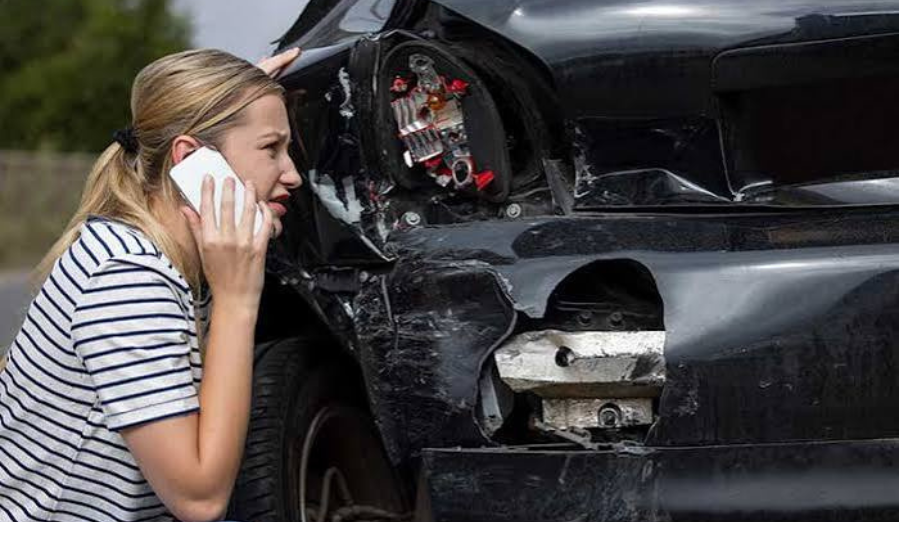
If you are involved in a truck crash in Te Awamutu, safety should be the immediate priority.
Where possible, move to a safe location and assess whether anyone requires urgent assistance. If there are serious injuries, immediate danger, or a blocked roadway, contact the appropriate emergency services.
Avoid putting yourself in danger by approaching damaged vehicles, leaking fluids, unstable loads, or traffic moving around the crash scene.
Drivers should also exchange the necessary information and follow applicable New Zealand requirements after a road accident.
Truck Crash Injuries and Vehicle Damage
A collision involving a truck can result in substantial damage to vehicles and property. Depending on the circumstances, people involved may experience injuries ranging from minor cuts and bruises to more serious injuries.
Truck crashes can also damage:
- Passenger vehicles
- Commercial vehicles
- Roadside property
- Fences
- Buildings
- Cargo and equipment
- Road infrastructure
The severity of a crash depends on factors such as vehicle speed, collision type, road conditions, and the size and weight of the vehicles involved.
Importance of Truck Maintenance
Regular vehicle maintenance is an important part of reducing the risk of mechanical failures.
Commercial truck operators should ensure that vehicles are maintained appropriately and that important components are inspected regularly.
Areas that require attention can include:
- Brakes
- Tyres
- Lights
- Steering components
- Suspension
- Mirrors
- Windscreen and visibility
- Load restraints
If a driver notices unusual braking, steering, vibration, noise, or warning lights, the issue should be addressed promptly rather than ignored.
Safe Driving Around Trucks
Car drivers also have an important role to play in reducing the risk of truck crashes.
When driving near a heavy vehicle:
- Keep a safe following distance.
- Avoid driving in truck blind spots.
- Allow trucks additional room to turn.
- Be cautious when overtaking.
- Do not suddenly cut in front of a truck.
- Expect trucks to require more distance to stop.
- Take extra care in poor weather.
- Remain patient around slow-moving heavy vehicles.
Understanding how trucks behave on the road can help reduce potentially dangerous situations.
What Causes Truck Rollovers?
Truck rollovers can occur when a heavy vehicle loses stability. Factors such as excessive speed while cornering, uneven surfaces, incorrect loading, sudden steering movements, or changing road conditions can contribute to rollover incidents.
Correct load distribution and secure restraints are particularly important for commercial vehicles carrying heavy or uneven cargo.
Drivers should adjust their speed and driving style to suit the vehicle, load, weather, and road conditions.
Truck Crash Prevention
Preventing truck crashes requires cooperation between professional drivers, fleet operators, businesses, and other road users.
Good preventative practices include:
- Regular vehicle inspections
- Proper load securing
- Appropriate driver training
- Managing driver fatigue
- Following speed limits
- Maintaining safe following distances
- Planning routes carefully
- Adjusting driving to weather conditions
- Addressing mechanical problems promptly
Businesses operating trucks should also ensure their drivers understand their responsibilities and the requirements associated with the vehicles they operate.
Roadside Assistance After a Truck Crash
A damaged truck may not be safe or practical to drive after a collision. Depending on the circumstances, professional roadside assistance or heavy-vehicle recovery may be required.
If a truck is blocking traffic or has suffered significant damage, appropriate recovery arrangements should be made as soon as it is safe to do so.
Do not attempt to move a severely damaged heavy vehicle without suitable equipment or professional assistance.
Choosing Professional Truck Support in Te Awamutu
After a truck accident, choosing an experienced local provider can help with vehicle recovery, towing, servicing, or other support that may be required.
When selecting a provider, consider:
- Experience with heavy vehicles
- Availability
- Appropriate recovery equipment
- Response times
- Clear pricing
- Professional service
- Local knowledge
Having access to reliable truck support can be particularly useful for businesses operating commercial vehicles throughout Te Awamutu and the wider Waikato.
You may also like to read these posts:
Truck and 2 Men Te Awamutu – Reliable Truck Servicing and Roadside Support
Truck Fire Te Awamutu – Safety, Prevention and Professional Support
Conclusion
A truck crash in Te Awamutu can create serious safety, traffic, vehicle, and business-related problems. Understanding common causes and practising safe driving can help reduce the likelihood of heavy-vehicle accidents.
Regular truck maintenance, proper load securing, responsible driving, and awareness around heavy vehicles are all important parts of road safety.
If a crash occurs, prioritise safety, follow applicable New Zealand road requirements, and arrange appropriate emergency, recovery, or professional support when necessary.
FAQs
What are common causes of truck crashes in Te Awamutu?
Common contributing factors can include driver fatigue, speed, distraction, poor weather, mechanical problems, unsafe manoeuvres, road conditions, and incorrectly secured loads.
What should I do after a truck crash?
Prioritise everyone’s safety, move away from immediate danger where possible, and contact emergency services when required. Follow the applicable requirements for reporting and exchanging information after a road accident.
Are truck crashes more serious than car crashes?
Truck crashes can have more severe consequences because heavy trucks have substantially greater size and mass than passenger vehicles. However, the outcome depends on the circumstances of each collision.
Should I drive a damaged truck after an accident?
A damaged truck should not be driven if doing so could be unsafe. The vehicle should be assessed and, where necessary, recovered by an appropriately equipped professional.
Why is load securing important for trucks?
An improperly secured load can shift during transport and affect vehicle stability, braking, or steering. Proper load distribution and restraint are important for safe truck operation.
Conclusion
A truck crash in Te Awamutu can have serious consequences for drivers, passengers, businesses, and other road users. Safe driving, regular truck maintenance, proper load securing, and careful planning can help reduce the risk of accidents.
If a truck crash does occur, safety should always come first. Drivers should follow New Zealand road requirements, seek emergency assistance when necessary, and arrange professional towing or recovery if the vehicle cannot be safely driven.
With responsible driving and appropriate vehicle care, truck operators and other road users can help make Te Awamutu and the wider Waikato roads safer for everyone.
