

When your vehicle starts making an unusual noise, struggles to start, or simply does not feel right on the road, getting it checked early can prevent a small issue from becoming a costly repair. A reliable mechanic te awamutu gives local drivers a practical option for servicing, repairs, diagnostics, and unexpected vehicle problems.
For people around Te Awamutu, a dependable vehicle is important for work, family commitments, school runs, shopping, farming, business travel, and trips around the Waikato. When something goes wrong, you need straightforward help without unnecessary delays or confusing explanations.
Table of Contents
Reliable Vehicle Repairs in Te Awamutu

Vehicle problems can happen without warning. A warning light might appear on the dashboard, the brakes may start making a strange sound, or the engine might suddenly lose power.
Getting the problem inspected early can make a significant difference. A mechanic can assess the vehicle, identify the likely cause, and explain what needs to be done before repair work begins.
The goal is not simply to get a vehicle moving again. Good mechanical work should address the underlying problem and help keep the vehicle reliable for everyday driving.
Car Servicing for Everyday Driving
Regular servicing is one of the easiest ways to stay ahead of avoidable vehicle problems.
Routine Vehicle Maintenance
Depending on the vehicle and its service requirements, routine maintenance may involve checking or replacing engine oil, filters, fluids, brakes, tyres, belts, lights, suspension and other important components.
Following the manufacturer’s recommended service intervals is important because different vehicles have different maintenance needs.
A vehicle used for frequent short trips may have different requirements from one regularly used for long-distance travel, towing, or carrying heavy loads.
Regular servicing also gives you an opportunity to identify worn components before they cause a breakdown.
Brake Repairs and Inspections
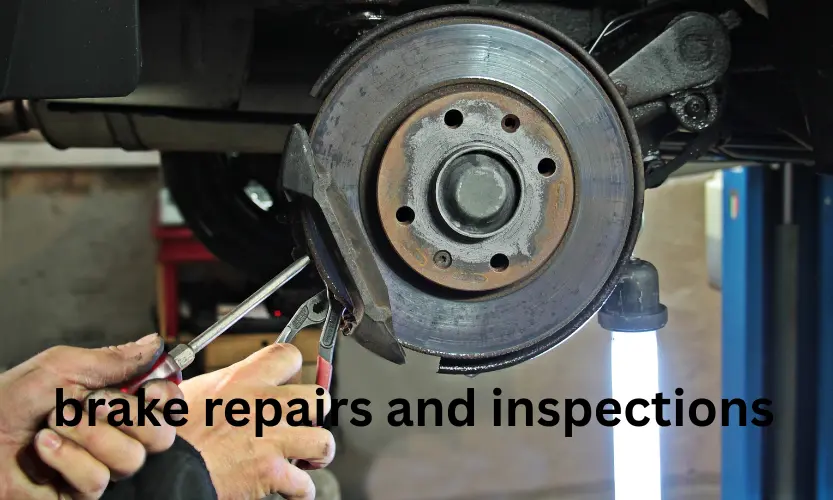
Brakes should never be ignored when they start behaving differently.
Squealing, grinding, vibration, a soft brake pedal, or reduced stopping performance can all indicate that an inspection is needed.
Why Brake Problems Need Attention
Brake components naturally wear with use. If worn parts are left unattended, braking performance can deteriorate and additional components may eventually be affected.
A professional inspection can determine whether the problem involves brake pads, discs, drums, callipers or another part of the braking system.
If the brakes feel noticeably different from normal, it is better to have the vehicle checked rather than waiting for the problem to become serious.
Engine Diagnostics and Repairs
Modern vehicles contain complex mechanical and electronic systems, so some faults are not immediately obvious.
An engine warning light is a common example. The vehicle might continue driving normally even though its computer has detected a fault.
Finding the Cause of an Engine Problem
Diagnostic equipment can identify stored fault codes and provide useful information about the vehicle’s systems. However, a fault code does not always tell the complete story.
Further testing may be necessary to find the actual cause.
Engine problems can involve starting difficulties, overheating, misfires, unusual noises, poor acceleration, increased fuel consumption, or loss of power. Proper diagnosis helps avoid replacing parts unnecessarily.
Suspension and Steering Repairs
Suspension and steering affect how a vehicle handles and responds to the road.
If you notice knocking sounds, excessive bouncing, uneven tyre wear, steering changes, or unusual movement while driving, the vehicle should be inspected.
Keeping Your Vehicle Stable on the Road
Worn suspension or steering components can affect handling and tyre wear. Problems may become more noticeable when driving over uneven surfaces, carrying heavier loads, or travelling at higher speeds.
A mechanical inspection can identify worn or damaged components and determine what needs attention.
Clutch and Transmission Problems
Clutch and transmission issues can gradually become worse.
Difficulty changing gears, clutch slipping, shuddering, unusual transmission noises, delayed engagement, or fluid leaks can indicate a developing problem.
Don’t Ignore Changing Gear Problems
A small change in how the vehicle changes gears may be easy to dismiss, particularly when the vehicle still drives.
However, continuing to drive with a developing clutch or transmission fault can sometimes lead to additional damage. Having the problem assessed early gives you a clearer idea of what is happening and what repairs may be required.
Vehicle Repairs for Different Needs
Not every vehicle in Te Awamutu has the same workload.
A family car may mainly be used for local journeys. A ute may carry equipment or tow regularly. A van may spend most of its day travelling between jobs.
Repairs Based on Vehicle Use
How a vehicle is used can affect maintenance requirements.
Towing, heavy loads, frequent long-distance travel, rough roads, and constant stop-start driving can place additional stress on mechanical components.
When speaking with a mechanic, explain how the vehicle is normally used. This information can help provide a more accurate assessment of its condition and maintenance needs.
WOF and Vehicle Maintenance
A Warrant of Fitness inspection and regular vehicle maintenance are not the same thing.
A WOF checks whether a vehicle meets the required safety standards at the time of inspection. Regular maintenance is about keeping the vehicle in good operating condition throughout the year.
If your WOF is approaching and you already know about unusual noises, brake problems, steering issues, worn tyres, or other concerns, it makes sense to have them inspected.
Waiting until an inspection identifies a problem can sometimes mean dealing with an issue at an inconvenient time.
24/7 Mechanical Assistance
Vehicle problems do not always happen during convenient hours.
A breakdown can occur before work, late at night, during a journey, or when you need your vehicle most. Having access to 24/7 assistance can provide an important option when a vehicle problem cannot wait.
What to Do During a Breakdown
If your vehicle stops unexpectedly, move to a safe location where possible. Avoid attempting repairs in a dangerous position or near moving traffic.
When requesting assistance, provide useful information about the vehicle and what happened. Mention warning lights, unusual sounds, whether the engine starts, and whether the vehicle can still be driven safely.
Clear information can help the mechanic understand the situation before arriving.
Why Local Mechanical Service Matters
Choosing a local mechanic is about more than convenience.
People around Te Awamutu rely on their vehicles for everyday responsibilities. A vehicle may be essential for commuting, getting children to school, running a business, travelling between nearby communities, or managing work on rural properties.
Having dependable local mechanical support means you have somewhere to turn when maintenance is due or something suddenly goes wrong.
Clear communication is just as important as technical work. You should understand what has been found, what needs attention, and why a repair has been recommended.
When Should You Contact a Mechanic?
You do not have to wait until your vehicle completely breaks down before getting help.
Consider arranging an inspection if you notice:
- Unusual engine noises
- Dashboard warning lights
- Difficulty starting
- Brake squealing or grinding
- A soft or unusual brake pedal
- Steering changes
- Vibration while driving
- Uneven tyre wear
- Fluid underneath the vehicle
- Engine overheating
- Poor acceleration
- Unusual fuel consumption
- Difficulty changing gears
- Unusual smells
These signs do not always mean that a major repair is required. Sometimes the cause is relatively straightforward. The important thing is finding out what is actually wrong.
Getting a Clear Repair Quote
Before approving significant repair work, ask for a clear explanation of what needs to be repaired and why. Understanding the recommended work makes it easier to make an informed decision.
If additional problems are discovered during an inspection, they should be explained before extra work is carried out where practical.
Clear communication helps prevent misunderstandings and gives you a better idea of what you are paying for.
You may also like these:
Powerful Reasons to Choose Heavy Truck Mechanic Te Awamutu
Powerful Reasons to Choose mobile mechanic te awamutu
Powerful Reasons to Choose a Trusted Te Awamutu Mechanic
Dependable Mechanical Help in Te Awamutu
Your vehicle plays a major role in everyday life. When it is working properly, it is easy to take that reliability for granted. When something goes wrong, even a relatively small fault can disrupt your entire day.
Whether you need regular servicing, mechanical repairs, brake work, engine diagnostics, suspension repairs, clutch assistance, or help with an unexpected vehicle problem, having dependable mechanical support can make the process much easier.
For local drivers, choosing the right mechanic comes down to practical things: accurate diagnosis, quality workmanship, clear communication, and reliable service. Do not ignore changes in the way your vehicle sounds, feels, or performs. Getting a problem checked early can help prevent unnecessary stress and potentially more expensive repairs later.
Conclusion
Keeping your vehicle properly maintained can save you from unexpected breakdowns, stressful delays, and larger repair bills. From routine servicing and brake checks to engine problems, suspension issues, and urgent mechanical faults, getting the right help at the right time matters.
For local drivers who need dependable vehicle care, mechanic te awamutu provides a practical way to keep your vehicle running safely and reliably. When something does not feel right, do not put it off. A timely inspection can give you peace of mind and help keep you moving.
FAQs
What services does a mechanic te awamutu provide?
A mechanic te awamutu can handle routine servicing, brake repairs, engine diagnostics, suspension work, electrical issues, and general vehicle repairs.
How often should I take my vehicle to a mechanic?
Regular servicing based on your vehicle manufacturer’s recommendations helps identify potential problems early and keeps your vehicle performing reliably.
How do I know if my vehicle needs a mechanic?
Warning signs such as unusual noises, dashboard warning lights, poor braking, difficulty starting, fluid leaks, or reduced performance can indicate that professional inspection is needed.
Can a mechanic diagnose engine problems?
Yes. A qualified mechanic can use diagnostic equipment and mechanical inspections to identify engine faults and determine the appropriate repair.
Why choose a local mechanic in Te Awamutu?
A local mechanic offers convenient access to professional vehicle care while providing service suited to drivers and businesses in the Te Awamutu area.
