


When your truck is part of your daily work, even a small mechanical problem can quickly turn into lost time and unexpected costs. Finding a dependable heavy truck mechanic te awamutu gives local operators a practical option when their vehicle needs servicing, diagnostics, or urgent repairs.
Heavy trucks work under demanding conditions, whether they are used for freight, construction, farming, machinery transport, or commercial work. Regular maintenance helps identify problems early and keeps important systems operating as they should.
Table of Contents
Heavy Truck Mechanical Services
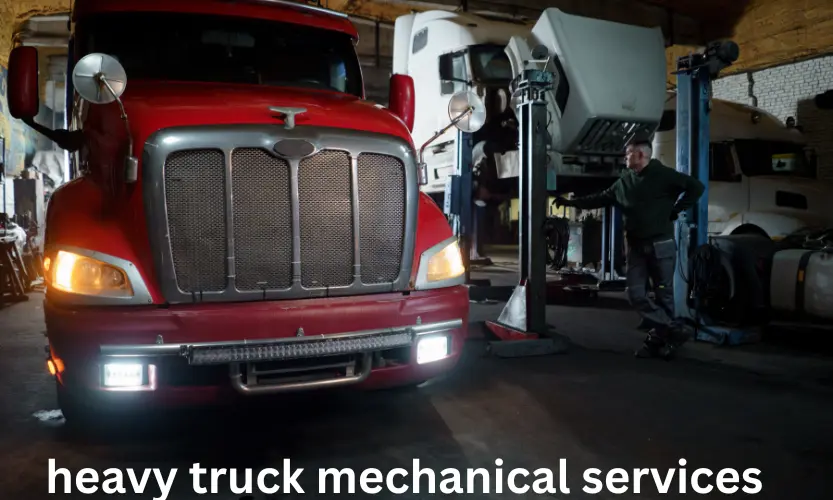
Heavy truck servicing involves much more than an oil change. A proper inspection considers the engine, transmission, brakes, suspension, steering, electrical systems, driveline, cooling system, and other components that affect the truck’s performance.
For operators in Te Awamutu and surrounding Waikato areas, having access to experienced heavy vehicle repair support can make maintenance easier to manage. Instead of waiting until a vehicle breaks down, regular servicing can help identify worn or damaged components before they create bigger problems.
Engine Diagnostics and Repairs
Diesel engines are built for demanding work, but they still require regular attention. Long operating hours, heavy loads, frequent stops, and difficult working conditions can place significant stress on engine components.
Warning lights, unusual engine sounds, overheating, difficult starting, loss of power, excessive smoke, or changes in fuel consumption should be investigated rather than ignored.
Diagnostic equipment can help identify electronic faults and provide useful information about the vehicle’s systems. A mechanic can then carry out further testing to determine the actual cause of the problem instead of simply clearing a warning code.
Heavy Truck Servicing
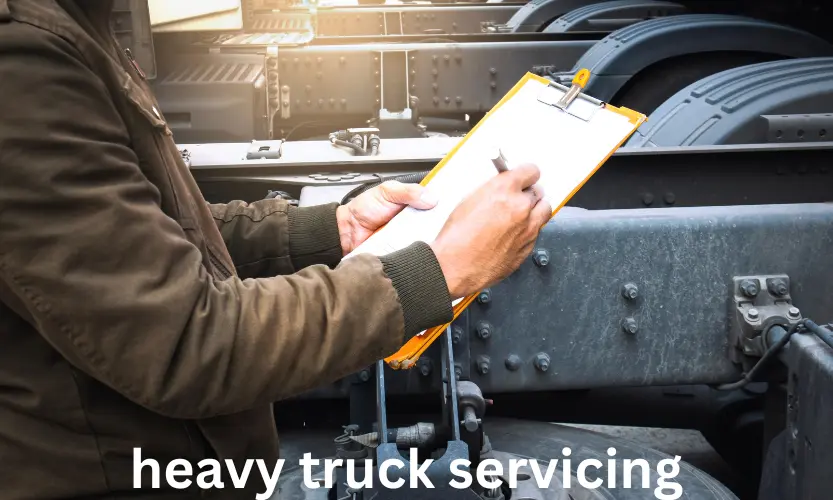
Regular servicing is an important part of keeping a commercial truck dependable.
Depending on the vehicle and manufacturer’s recommendations, servicing may include oil and filter changes, fluid checks, belt and hose inspections, battery checks, brake inspections, suspension checks, and examination of other components subject to wear.
The right maintenance schedule depends on how the truck is used. A vehicle travelling long distances with heavy loads may require different attention from one mainly used for shorter local journeys.
For fleet operators, scheduled servicing can also make maintenance easier to organise. Work can be planned around vehicle availability rather than waiting for an unexpected mechanical failure.
Brake Repairs and Maintenance
A heavy truck’s braking system needs to be taken seriously, particularly when the vehicle regularly carries substantial loads.
Changes in braking performance, unusual noises, air pressure problems, vibration, or other unexpected behaviour can indicate that the braking system needs inspection.
Brake maintenance should never be postponed simply because the truck is still moving. Identifying problems early can help prevent more serious failures and unnecessary disruption.
Transmission and Clutch Repairs
The clutch and transmission experience considerable stress during everyday heavy vehicle operation.
Difficulty changing gears, clutch slipping, unusual transmission noises, vibration, or changes in clutch engagement can all indicate a developing problem.
Getting these symptoms checked early can help determine whether the issue involves adjustment, wear, a damaged component, or another mechanical fault. Continuing to operate a truck with an obvious transmission problem can sometimes lead to more extensive damage.
Suspension, Steering and Chassis Repairs
Heavy vehicles depend on their suspension and steering systems for safe and controlled operation.
Worn suspension components can affect handling, stability, tyre wear, and the overall driving experience. Steering problems can also make a vehicle more difficult to control, particularly under load.
A thorough heavy vehicle inspection should therefore look beyond the engine. Suspension, steering, chassis, wheels, and related components all deserve proper attention.
Fleet Servicing for Local Businesses
Businesses that rely on several trucks have different maintenance requirements from an owner operating a single vehicle.
Fleet servicing can help businesses organise inspections, scheduled maintenance, diagnostics, and repairs across multiple vehicles. Keeping maintenance organised can make it easier to identify recurring problems and plan future work.
This is particularly useful for transport companies, construction operators, agricultural businesses, contractors, and other local businesses where vehicles are essential to everyday operations.
Every truck also has its own workload. A mechanic should consider how a vehicle is used when assessing maintenance requirements rather than applying exactly the same approach to every truck.
Mobile Heavy Truck Mechanical Support
A disabled heavy truck cannot always be conveniently taken to a workshop.
The vehicle could be at a worksite, farm, yard, roadside location, or another difficult-to-access area. Mobile heavy vehicle mechanical support can be useful in these situations, allowing the mechanic to assess the problem where the truck is located.
Depending on the fault and available equipment, certain repairs and servicing work can be completed on site.
For businesses that depend on their vehicles every day, this can reduce the disruption associated with moving a disabled truck and waiting for workshop space.
Heavy Vehicle Maintenance in Te Awamutu
Te Awamutu serves a wide range of agricultural, commercial, transport, and contracting activity. Heavy vehicles working around the local area can face very different operating conditions depending on their purpose.
Some trucks may spend most of their time on highways, while others regularly travel rural roads, construction sites, farms, or local delivery routes.
That makes practical maintenance important. A truck should be assessed according to its actual workload, mileage, age, and operating environment.
The wider Waikato region also connects Te Awamutu with busy commercial centres and surrounding communities. Keeping heavy vehicles properly maintained can help local operators avoid unnecessary interruptions to scheduled work.
Common Reasons to Contact a Heavy Truck Mechanic
A truck does not need to be completely broken down before it needs mechanical attention.
Reduced engine performance, unusual noises, warning lights, overheating, fluid leaks, difficult starting, unusual exhaust smoke, transmission issues, braking concerns, or changes in steering can all justify an inspection.
Unusual vibration should also be investigated, particularly if it appears suddenly or becomes worse over time.
For fleet operators, scheduled servicing is another important reason to arrange a mechanical inspection. Preventative maintenance allows repairs to be planned instead of waiting for an inconvenient breakdown.
Why Local Heavy Truck Repair Matters
Choosing a local mechanic is about more than simply finding the nearest workshop.
For a commercial operator, downtime can affect deliveries, employees, customers, and scheduled jobs. Having a reliable local mechanical service can make it easier to arrange inspections and repairs without sending a truck long distances.
It can also be useful to have an ongoing relationship with a mechanic who becomes familiar with your vehicles and their maintenance history.
That familiarity may help when diagnosing recurring issues or identifying changes in a vehicle’s normal behaviour.
What to Expect From a Heavy Truck Mechanic
A good repair process starts with understanding what happened.
Drivers should explain any changes they noticed, including when the issue started, whether it happens during acceleration or braking, and whether a warning light appeared.
The mechanic can then inspect and test the vehicle to identify the source of the problem.
Once the fault has been identified, the required work should be explained clearly. For larger repairs, knowing which components need attention and why can help the vehicle owner make an informed decision.
Clear communication is especially important with heavy truck repairs because the work can involve significant parts and labour costs.
Keeping Your Truck Reliable
Good maintenance is about dealing with problems at the right time.
Following the manufacturer’s recommended service intervals, keeping maintenance records, and reporting unusual changes early can all help support reliable vehicle operation.
Drivers are often the first people to notice a new sound, vibration, warning light, or change in performance. Reporting those signs promptly gives the mechanic an opportunity to investigate before the issue becomes more serious.
For businesses, good maintenance records can also make it easier to track servicing and identify recurring mechanical problems.
Heavy trucks are designed for hard work, but proper maintenance remains essential.
You may also like these:
Expert Benefits of Hiring a Reliable Mechanic Te Awamutu
Expert Benefits of Hiring a Heavy Vehicle Mechanic Te Awamutu
Expert Benefits of Heavy Truck Repairs Te Awamutu
Get Help From a Heavy Truck Mechanic Te Awamutu
Whether you operate one heavy vehicle or manage a larger fleet, dependable mechanical support can make a real difference.
From diesel diagnostics and engine repairs to brake servicing, transmission work, suspension repairs, preventative maintenance, and mobile mechanical assistance, professional heavy vehicle servicing can help keep your truck ready for work.
If your truck has developed a warning sign, mechanical problem, or unusual change in performance, getting it checked early can be a better option than waiting for a complete breakdown.
For urgent situations, 24/7 availability can also provide reassurance when a heavy vehicle problem occurs outside normal working hours.
Conclusion
When your truck is essential to keeping work moving, reliable mechanical support matters. From routine servicing and diagnostics to engine, brake, transmission, suspension, and urgent repairs, choosing an experienced local mechanic can help reduce unnecessary downtime and keep your vehicle working safely.
If your truck is showing signs of a problem or is due for maintenance, getting it checked early can save you from a much bigger disruption later. For dependable local support and around-the-clock assistance, heavy truck mechanic te awamutu can help keep your heavy vehicle ready for the road and the work ahead.
FAQs
What does a heavy truck mechanic te awamutu do?
A heavy truck mechanic te awamutu specializes in inspecting, diagnosing, maintaining, and repairing heavy-duty trucks and commercial vehicles.
When should I take my heavy truck to a mechanic?
Warning signs such as unusual engine noises, reduced performance, brake problems, excessive smoke, fluid leaks, or difficulty starting are good reasons to arrange an inspection.
Can a heavy truck mechanic handle regular maintenance?
Yes. Heavy truck mechanics can typically handle routine servicing, inspections, oil and filter changes, brake checks, engine maintenance, and other preventative work.
Why is preventative maintenance important for heavy trucks?
Regular maintenance can help identify developing problems before they become expensive breakdowns. It can also support vehicle reliability, safety, and longer service life.
How do I choose the right heavy truck mechanic in Te Awamutu?
Look for an experienced mechanic with strong knowledge of heavy-duty vehicles, transparent service practices, appropriate diagnostic equipment, and a reputation for dependable workmanship.
