

Table of Contents
Introduction
Finding a reliable diesel truck mechanic Te Awamutu businesses, drivers, and fleet operators can trust is important when a work truck needs servicing, diagnostics, or repairs. Diesel trucks are designed for demanding jobs, but regular maintenance and timely repairs are essential for keeping them dependable.
Whether your truck is difficult to start, losing power, producing unusual smoke, using more fuel than usual, or making unfamiliar noises, having the problem checked early can help prevent a minor fault from developing into a major repair.
What Does a Diesel Truck Mechanic Do?
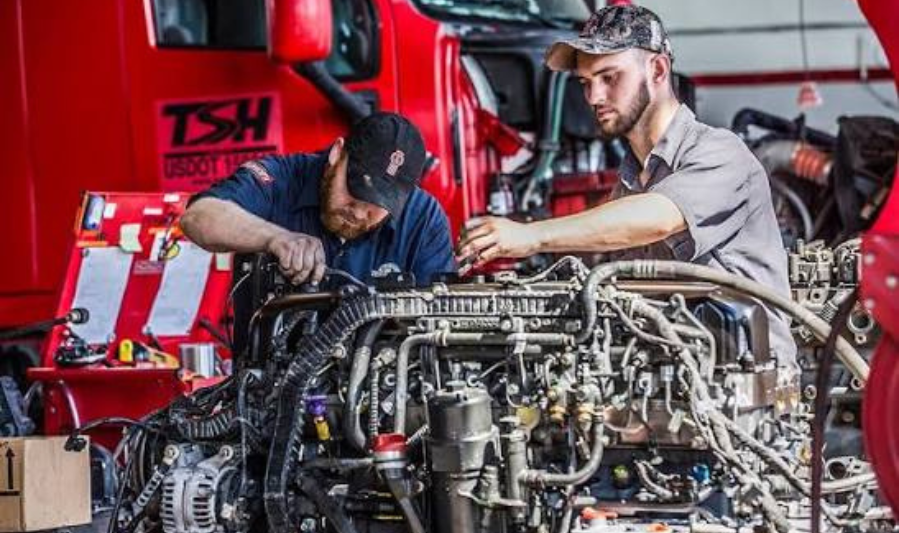
A diesel truck mechanic specialises in inspecting, servicing, diagnosing, and repairing diesel-powered trucks and commercial vehicles.
Depending on the truck and workshop, services may include:
- Diesel engine servicing
- Truck diagnostics
- Oil and filter changes
- Fuel-system inspections
- Cooling-system repairs
- Turbocharger inspections
- Battery and starting-system diagnosis
- Exhaust-system checks
- Brake repairs
- Suspension repairs
- Transmission-related mechanical work
- Preventive maintenance
- Fault finding and performance checks
A professional mechanic should aim to identify the underlying cause of a problem rather than simply replacing parts without proper diagnosis.
Common Diesel Truck Problems
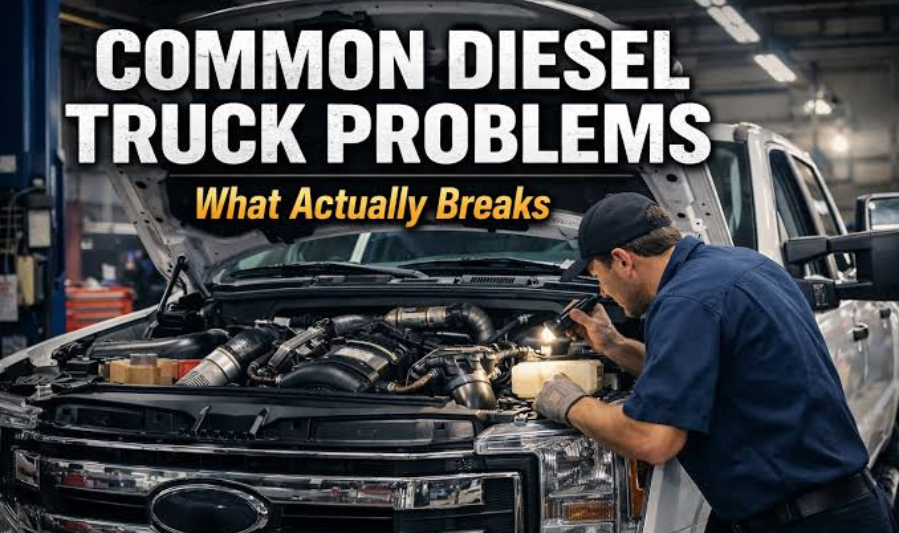
Diesel trucks can develop different mechanical and electrical problems depending on their age, workload, maintenance history, and operating conditions.
Difficult Starting
If a diesel truck takes longer than usual to start, possible causes can include battery problems, glow-plug faults, fuel-delivery issues, air entering the fuel system, or other mechanical faults.
A diesel truck mechanic can test the starting, electrical, and fuel systems to help identify the actual cause.
Loss of Engine Power
A noticeable reduction in engine power can affect both everyday driving and commercial work.
Potential causes include:
- Blocked fuel or air filters
- Turbocharger problems
- Fuel-system faults
- Air-intake restrictions
- Exhaust restrictions
- Sensor or electronic faults
- Mechanical engine problems
Because several different problems can produce similar symptoms, accurate diagnostics are important before repairs are carried out.
Excessive or Unusual Smoke
Unusual exhaust smoke can indicate that a diesel truck is not operating correctly. The colour, amount, and conditions under which the smoke occurs can provide useful information during diagnosis.
Persistent smoke should not be ignored, particularly when it is accompanied by poor performance, unusual engine noises, or increased fuel consumption.
Unusual Engine Noises
Knocking, rattling, tapping, whining, or other unfamiliar sounds can indicate a developing mechanical problem.
If a new or severe noise appears, arranging an inspection promptly may help prevent additional damage and more expensive repairs.
Diesel Truck Servicing in Te Awamutu
Regular servicing is one of the most effective ways to maintain a reliable diesel truck.
Depending on the vehicle and manufacturer’s recommendations, servicing may include checks or replacement of:
- Engine oil
- Oil filter
- Fuel filter
- Air filter
- Coolant
- Belts and hoses
- Battery and charging system
- Fluid levels
- Brakes
- Suspension components
- Other important mechanical components
The correct maintenance schedule depends on the truck manufacturer, engine, mileage, workload, and operating conditions.
Trucks that regularly carry heavy loads, travel long distances, operate on worksites, or spend significant periods idling may require particularly careful maintenance.
Diesel Truck Diagnostics and Fault Finding
Modern diesel trucks often combine mechanical systems with sophisticated electronic controls. When a warning light appears or truck performance changes, diagnostic testing can help identify where the problem may be located.
Why Truck Diagnostics Matter
Replacing parts without confirming the fault can become expensive. A systematic diagnostic process can help determine whether the issue is related to:
- Sensors
- Fuel delivery
- Air intake
- Turbocharging
- Electrical components
- Engine management systems
- Exhaust components
- Mechanical engine condition
Diagnostic results should be considered alongside physical inspections and the symptoms reported by the driver.
Diesel Truck Fuel System Repairs
The fuel system is essential to diesel engine performance. Problems with fuel delivery can affect starting, acceleration, fuel economy, and overall engine operation.
Common fuel-related symptoms include:
- Hard starting
- Rough running
- Poor acceleration
- Reduced fuel economy
- Engine hesitation
- Loss of power
Fuel filters should be replaced according to the manufacturer’s recommendations. Contamination, restricted fuel flow, or other fuel-system faults can affect diesel engine performance.
If a fuel-system problem is suspected, professional diagnosis is preferable to replacing components without first identifying the underlying issue.
Turbocharger Inspection and Repairs
Many diesel trucks use turbochargers to improve engine performance and efficiency.
Possible signs of a turbocharger-related problem include:
- Reduced engine power
- Unusual whistling or whining
- Excessive smoke
- Increased oil consumption
- Poor acceleration
A diesel truck mechanic can inspect the turbocharger and related intake and exhaust components to determine whether the turbocharger is faulty or whether another problem is producing similar symptoms.
Cooling System Maintenance
The cooling system helps keep a diesel truck engine operating within its intended temperature range.
Problems involving coolant, hoses, radiators, thermostats, water pumps, or related components can contribute to overheating.
Watch for warning signs such as:
- Engine temperature rising unusually high
- Coolant leaks
- Low coolant levels
- Steam or unusual smells
- Repeated overheating
If a truck begins overheating, continuing to operate it can cause serious engine damage. Stop safely and seek professional assistance rather than treating overheating as a minor issue.
Diesel Truck Repairs for Commercial Vehicles
Te Awamutu and the wider Waikato region support agricultural, transport, commercial, and trade activities where diesel trucks can play an important role.
For businesses, an unavailable truck can affect deliveries, schedules, jobs, customers, and operating costs.
A planned maintenance approach can help businesses:
- Identify developing problems early
- Keep accurate service records
- Follow manufacturer maintenance intervals
- Inspect trucks according to their workload
- Address warning signs before major failures occur
- Reduce unexpected downtime
For businesses that depend on trucks every day, preventive maintenance can be especially valuable.
How to Choose a Diesel Truck Mechanic in Te Awamutu
Not every workshop provides the same level of diesel truck service. Before booking a repair, it can be useful to ask a few questions.
Check Their Truck and Diesel Experience
Ask whether the mechanic regularly works on the type of diesel truck you operate.
Experience with passenger diesel vehicles may differ from experience with commercial trucks, heavy vehicles, agricultural vehicles, or work trucks.
Ask About Diagnostic Equipment
Modern diesel trucks can require specialised diagnostic equipment. Ask whether the workshop has suitable equipment and experience interpreting diagnostic information for your vehicle.
Explain the Symptoms Clearly
Before taking the truck to the workshop, make a note of:
- When the problem started
- Whether it happens when the engine is cold or warm
- Any dashboard warning lights
- Changes in fuel consumption
- Unusual smoke
- Unusual engine sounds
- Loss of power
- Recent repairs
- Recent maintenance
Providing clear information can help the mechanic investigate the problem more efficiently.
Ask What the Repair Involves
Before approving major work, ask what has failed, what repair is recommended, and whether related components should also be inspected.
For significant repairs, it is reasonable to ask for an explanation of the expected work and costs before proceeding.
Preventive Diesel Truck Maintenance Tips
Regular maintenance can help reduce avoidable truck problems and improve reliability.
Follow the Manufacturer’s Service Schedule
Use the service intervals recommended for your particular truck and engine. Different vehicles have different maintenance requirements, so a generic schedule may not be appropriate.
Check Warning Lights Promptly
A warning light should not automatically be ignored simply because the truck continues to drive. Some faults can become more expensive when repairs are delayed.
Monitor Fluid Levels
Regularly check the fluids specified by the manufacturer, including engine oil and coolant.
Pay Attention to Performance Changes
Drivers often notice changes before a serious problem develops. Changes in starting, acceleration, engine noise, smoke, fuel consumption, or idle quality can provide useful early warning signs.
Replace Filters When Required
Dirty or restricted filters can affect diesel engine performance. Follow the recommended replacement intervals and consider the truck’s operating conditions.
When Should You Call a Diesel Truck Mechanic?
Arrange a professional inspection if you notice:
- Persistent difficulty starting
- Significant loss of power
- Repeated warning lights
- Unusual exhaust smoke
- Excessive engine noise
- Overheating
- Fluid leaks
- Poor or inconsistent engine performance
- Sudden changes in fuel consumption
- Rough or unstable idling
If the truck develops severe overheating, a major fluid leak, heavy smoke, serious warning lights, or dangerous mechanical symptoms, avoid continuing to drive it until it has been assessed.
You may also like to read these posts:
Men’s Seasonal Wardrobe Guide: Essential Outfits for Every Season
Diesel Engine Mechanic Te Awamutu: Reliable Diesel Servicing and Repairs
Diesel Truck Mechanic Te Awamutu: Reliable Truck Repairs and Servicing
Diesel Truck Mechanic vs General Mechanic
A general automotive mechanic may handle many routine vehicle repairs, while a diesel truck specialist focuses more heavily on diesel engines, commercial vehicles, and the equipment required to diagnose and repair them.
| Service Need | Suitable Option |
|---|---|
| Basic vehicle maintenance | General mechanic or diesel mechanic |
| Diesel truck diagnostics | Diesel truck mechanic with suitable equipment |
| Diesel fuel-system problems | Diesel specialist |
| Turbocharger faults | Mechanic experienced with diesel systems |
| Commercial truck repairs | Workshop with relevant truck experience |
| Heavy-duty vehicle repairs | Specialist with suitable equipment and experience |
The most important factor is choosing a mechanic with the appropriate knowledge, equipment, and experience for your particular truck.
Questions to Ask Before Booking a Truck Repair
Before authorising a significant repair, consider asking:
- What do you believe is causing the problem?
- Has the fault been confirmed through testing?
- What parts need to be repaired or replaced?
- Is there any related damage?
- What maintenance should be completed at the same time?
- What could happen if the truck continues to be driven?
- Can you provide an estimate before major work begins?
These questions can help you understand the repair and make an informed decision before work begins.
FAQs: Diesel Truck Mechanic Te Awamutu
How often should a diesel truck be serviced?
The correct service interval depends on the truck, engine, manufacturer recommendations, mileage, workload, and operating conditions. Follow the maintenance schedule recommended for your specific vehicle.
What are the common signs of a diesel truck problem?
Common warning signs include difficult starting, loss of power, unusual exhaust smoke, strange engine noises, overheating, rough running, warning lights, and increased fuel consumption.
Can a diesel truck mechanic diagnose engine warning lights?
Yes. A mechanic with suitable diagnostic equipment can check fault codes and combine the results with physical inspections and vehicle symptoms to identify the underlying problem.
How much does diesel truck servicing cost?
The cost depends on the truck, parts required, and type of repair or service. Getting the truck inspected and requesting an estimate can provide a clearer idea of the expected cost.
When should I call a diesel truck mechanic?
You should arrange an inspection if your truck has starting problems, loss of power, unusual smoke or noises, overheating, fluid leaks, warning lights, or noticeable changes in performance.
Conclusion
A dependable diesel truck needs regular servicing, accurate diagnostics, and timely repairs. Choosing an experienced diesel truck mechanic Te Awamutu businesses and drivers can rely on can help keep commercial vehicles working safely and efficiently.
Whether your truck needs routine maintenance, diesel diagnostics, fuel-system repairs, cooling-system work, or help investigating a performance problem, addressing issues early can help reduce unexpected downtime and costly repairs.
Following the manufacturer’s maintenance schedule, paying attention to warning signs, and arranging professional inspections when problems appear can help keep your diesel truck dependable for the work ahead.
