

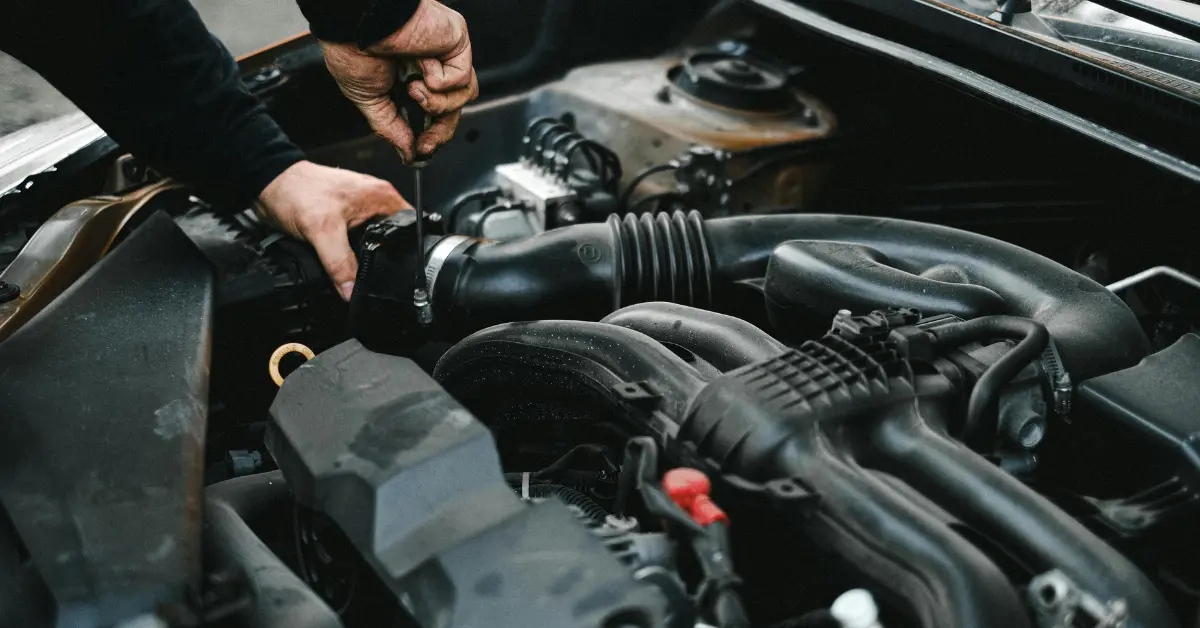
Finding a dependable diesel mechanic te awamutu can make a major difference when your truck, ute, van, tractor, or other diesel-powered vehicle needs attention. Diesel engines are built for demanding work, but they still require regular servicing, accurate diagnostics, and timely repairs to stay reliable. Whether you operate one work vehicle or manage a fleet, choosing a mechanic with the right diesel experience can help reduce unexpected downtime and keep your vehicle working safely.
This guide explains what diesel mechanics typically do, when you should book a service, what repairs may be required, and how to choose the right workshop for your needs in and around Te Awamutu.
Table of Contents
What Does a Diesel Mechanic Do?
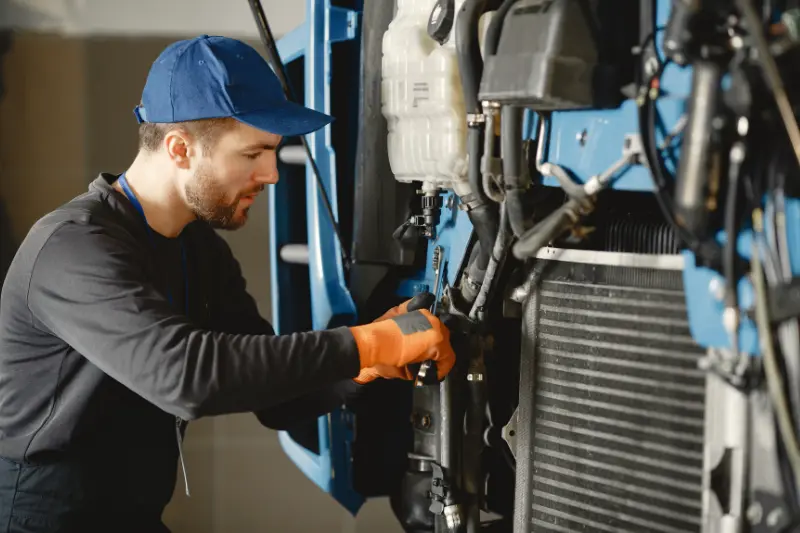
A diesel mechanic specialises in inspecting, maintaining, diagnosing, and repairing vehicles and equipment powered by diesel engines.
Their work can involve everything from routine oil and filter changes to complicated engine, fuel-system, electrical, transmission, and emissions-related faults.
A diesel mechanic may work on:
- Diesel cars and SUVs
- Utes and commercial vans
- Light trucks
- Heavy trucks
- Trailers and related systems
- Agricultural machinery
- Construction equipment
- Fleet vehicles
- Diesel-powered industrial equipment
The exact services available depend on the mechanic and workshop, so it is worth confirming that they have experience with your particular vehicle or equipment.
Diesel Vehicle Services You May Need
A good diesel workshop should be able to identify the underlying cause of a problem rather than simply replacing parts.
Diesel Engine Diagnostics
Modern diesel engines use electronic control systems and multiple sensors. A warning light, poor performance, or starting problem may have several possible causes.
Diagnostic work can help identify issues involving:
- Engine sensors
- Fuel delivery
- Turbocharging
- Air intake
- Electronic control systems
- Exhaust and emissions components
- Electrical faults
- Starting and charging systems
Proper diagnosis can save time and prevent unnecessary parts replacement.
Diesel Engine Servicing
Routine servicing is one of the simplest ways to maintain a diesel vehicle.
Depending on the manufacturer’s requirements and vehicle usage, servicing may include:
- Engine oil replacement
- Oil filter replacement
- Fuel filter inspection or replacement
- Air filter inspection
- Cooling-system checks
- Battery and charging-system checks
- Belts and hoses inspection
- Fluid-level checks
- General safety inspection
Always follow the service intervals recommended for your specific vehicle.
Diesel Fuel System Repairs
The fuel system is critical to diesel engine performance. Problems with fuel delivery can cause difficult starting, rough running, reduced power, excessive smoke, or poor fuel economy.
A mechanic may inspect components such as:
- Fuel filters
- Fuel lines
- Injectors
- Fuel pumps
- Common-rail components
- Fuel pressure systems
Because modern diesel fuel systems can operate at very high pressures, specialist equipment and proper procedures are important.
Turbocharger Inspection and Repairs
A turbocharger helps a diesel engine produce the power required under load. A turbo-related problem may cause reduced acceleration, unusual noises, smoke, or loss of power.
Possible causes include:
- Damaged turbo components
- Air leaks
- Oil-related problems
- Blocked intake or exhaust components
- Faulty sensors or controls
A proper diagnosis is important because a loss of turbo performance does not always mean the turbo itself needs replacing.
Common Diesel Problems to Watch For
Diesel problems can develop gradually, so paying attention to changes in vehicle behaviour is important.
Difficult Starting
If your diesel vehicle takes longer than usual to start, possible causes can include battery problems, fuel-system faults, glow-plug issues, air entering the fuel system, or other engine-related problems.
Loss of Engine Power
Reduced power can become particularly noticeable when towing, carrying a heavy load, or driving uphill.
Potential causes include:
- Restricted air intake
- Fuel delivery problems
- Turbocharger faults
- Sensor problems
- Exhaust restrictions
- Engine-management faults
Excessive Smoke
Changes in exhaust smoke should not be ignored. Smoke colour and operating conditions can provide useful diagnostic clues, although a mechanic should determine the actual cause.
Unusual Engine Noise
Knocking, rattling, whining, or other unfamiliar noises can indicate a mechanical or accessory problem. Continuing to operate a vehicle with a serious engine noise may increase repair costs.
Warning Lights
A dashboard warning light does not always mean there is an immediate catastrophic failure, but it should not simply be ignored. Diagnostic scanning can help identify the stored fault information and guide further testing.
Mobile Diesel Mechanic vs Workshop
Depending on the situation, you may have the option of using a mobile mechanic or taking the vehicle to a workshop.
| Mobile Diesel Mechanic | Diesel Workshop |
| Convenient for vehicles that cannot easily move | Better suited to larger repair jobs |
| Can reduce towing requirements in some situations | Access to workshop equipment |
| Useful for on-site diagnostics and minor repairs | Suitable for scheduled servicing |
| Helpful for some fleet operations | Better for extensive mechanical work |
| Availability depends on the provider | Vehicle must usually be brought to the workshop |
If your vehicle has suffered a major mechanical failure, ask the mechanic whether the repair can safely be completed on-site or whether workshop facilities are required.
Heavy-Duty Diesel and Truck Repairs
Businesses that depend on trucks cannot always afford extended downtime. Heavy-duty diesel servicing may involve more than basic engine maintenance.
A heavy vehicle mechanic may inspect:
- Engine and cooling systems
- Fuel systems
- Turbochargers
- Braking systems
- Steering and suspension
- Driveline components
- Transmission systems
- Electrical systems
- Trailer-related components
For commercial operators, planned maintenance can also make it easier to identify developing faults before they turn into major breakdowns.
You may also like to read this:
Heavy Duty Diesel Mechanic Te Awamutu | Local Guide
Diesel Truck Mechanic Te Awamutu | Expert Truck Repairs
Diesel Mechanics Te Awamutu | Reliable Diesel Repairs
Diesel Engine Mechanic Te Awamutu | Diesel Repairs
Diesel Fleet Maintenance for Businesses
If you operate several diesel vehicles, maintenance should be treated as an ongoing process rather than something done only after a breakdown.
A practical fleet maintenance approach can include:
- Keep service records for every vehicle.
- Follow manufacturer-recommended maintenance intervals.
- Record recurring faults.
- Check vehicles before demanding jobs or long trips.
- Investigate warning lights promptly.
- Monitor unusual fuel consumption or performance changes.
- Schedule inspections around operational requirements.
This approach can help businesses make maintenance more predictable and reduce avoidable disruption.
When Should You Call a Diesel Mechanic?
You should consider professional inspection when you notice:
- Difficult or slow starting
- Loss of power
- Rough idling
- Excessive exhaust smoke
- Unusual engine sounds
- Poor acceleration
- Overheating
- Repeated warning lights
- Fluid leaks
- Unusual fuel consumption
- Transmission problems
- Brake or steering concerns
If the vehicle becomes unsafe to drive, stop using it and arrange appropriate recovery or roadside assistance rather than continuing to operate it.
How to Choose a Diesel Mechanic in Te Awamutu
Not every mechanic has the same experience or equipment. Before booking a repair, ask a few practical questions.
Check Their Experience
Ask whether they regularly work on your type of vehicle, engine, truck, agricultural machinery, or fleet.
Ask About Diagnostics
For modern diesel vehicles, accurate diagnostics can be just as important as mechanical knowledge. Ask whether the workshop has suitable diagnostic equipment for your vehicle.
Understand the Repair Process
A professional mechanic should be able to explain:
- What they found
- What testing was performed
- Which repair is recommended
- Whether the repair is urgent
- What parts may be required
- What additional work may be advisable
Ask for a Clear Estimate
Before approving significant work, ask what the estimated labour and parts costs are and whether additional problems could change the final amount.
Consider Convenience
For commercial operators, opening hours, turnaround time, mobile support, and fleet servicing options can be important factors.
Questions to Ask Before Booking
If you are comparing diesel mechanics, these questions can help:
- Do you work on my vehicle’s make and model?
- Do you service light and heavy diesel vehicles?
- Can you perform electronic diagnostics?
- Do you provide mobile breakdown assistance?
- Can you service fleet vehicles?
- Can you inspect the vehicle before carrying out major repairs?
- Will you provide an estimate before starting additional work?
- Do you offer scheduled maintenance?
- How soon can the vehicle be inspected?
A clear answer to these questions can help you choose a mechanic based on your actual requirements rather than price alone.
How to Reduce Diesel Repair Problems
You cannot prevent every mechanical failure, but good maintenance can reduce avoidable problems.
Follow the Service Schedule
Skipping routine maintenance can allow small problems to become more expensive.
Use the Correct Fluids and Filters
Always use products that meet the specifications recommended for your vehicle.
Don’t Ignore Warning Signs
A small change in engine sound, starting behaviour, smoke, or performance may be worth investigating early.
Check Fluid Levels
Regularly checking appropriate fluid levels can help identify leaks and other developing issues.
Keep Maintenance Records
Service records help you track previous repairs and make future diagnosis easier.
How Much Does a Diesel Mechanic Cost?
Diesel repair costs vary significantly depending on the vehicle, fault, labour required, parts, and diagnostic work involved.
A simple service will generally require less work than an engine, transmission, turbocharger, or fuel-system repair. Heavy vehicles and specialised equipment can also require more time and specialist equipment.
Rather than choosing a mechanic based solely on the cheapest quote, consider:
- Diagnostic accuracy
- Relevant experience
- Quality of parts
- Workmanship
- Warranty or guarantee terms
- Expected turnaround time
- Communication
A correct diagnosis can sometimes prevent you from paying for unnecessary repairs.
Diesel Mechanic Te Awamutu: When Local Support Matters
Local diesel repair support can be especially useful for businesses, farmers, contractors, transport operators, and drivers who depend on their vehicles every day.
A mechanic familiar with commercial and working vehicles can help with both immediate repairs and preventive maintenance. If your vehicle regularly operates under heavy loads, travels long distances, or works in demanding conditions, discuss those conditions with the mechanic because they can affect maintenance requirements.
Frequently Asked Questions
What does a diesel mechanic repair?
A diesel mechanic can diagnose and repair many diesel-related systems, including engines, fuel systems, turbochargers, cooling systems, electrical components, transmissions, and other vehicle systems. Services vary between workshops.
Can a diesel mechanic service a diesel ute?
Yes. Many diesel mechanics work on diesel utes and other light commercial vehicles. Confirm that the mechanic has experience with your specific make, model, and engine.
Can diesel mechanics work on trucks?
Yes. Some mechanics specialise in heavy-duty trucks and commercial vehicles. If you operate a large truck, choose a provider with appropriate heavy-vehicle experience and equipment.
Is it better to repair a diesel problem early?
In many cases, yes. Investigating unusual noises, warning lights, starting problems, or performance changes early may prevent a developing issue from becoming more serious.
Do all diesel mechanics offer mobile service?
No. Some providers operate from workshops while others offer mobile or roadside services. Always confirm mobile availability, service area, and the types of repairs they can perform on-site.
Conclusion
A reliable diesel mechanic te awamutu can help keep cars, utes, trucks, agricultural machinery, and commercial vehicles operating properly through accurate diagnostics, routine servicing, and timely repairs. Whether you need help with a warning light, starting problem, loss of power, scheduled maintenance, or a larger diesel repair, choose a mechanic with experience that matches your vehicle and requirements.
Regular maintenance and early attention to problems are often the best ways to protect your vehicle’s reliability and avoid unnecessary downtime.
